
Filters
36 products


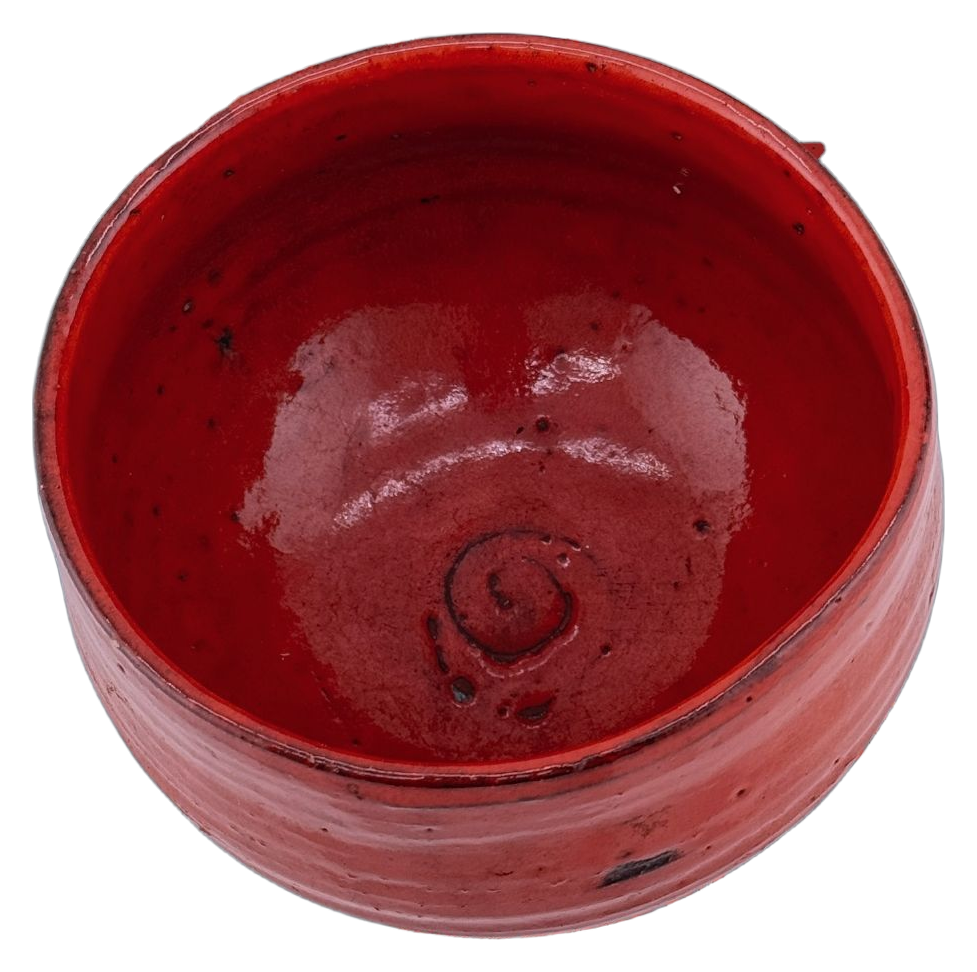


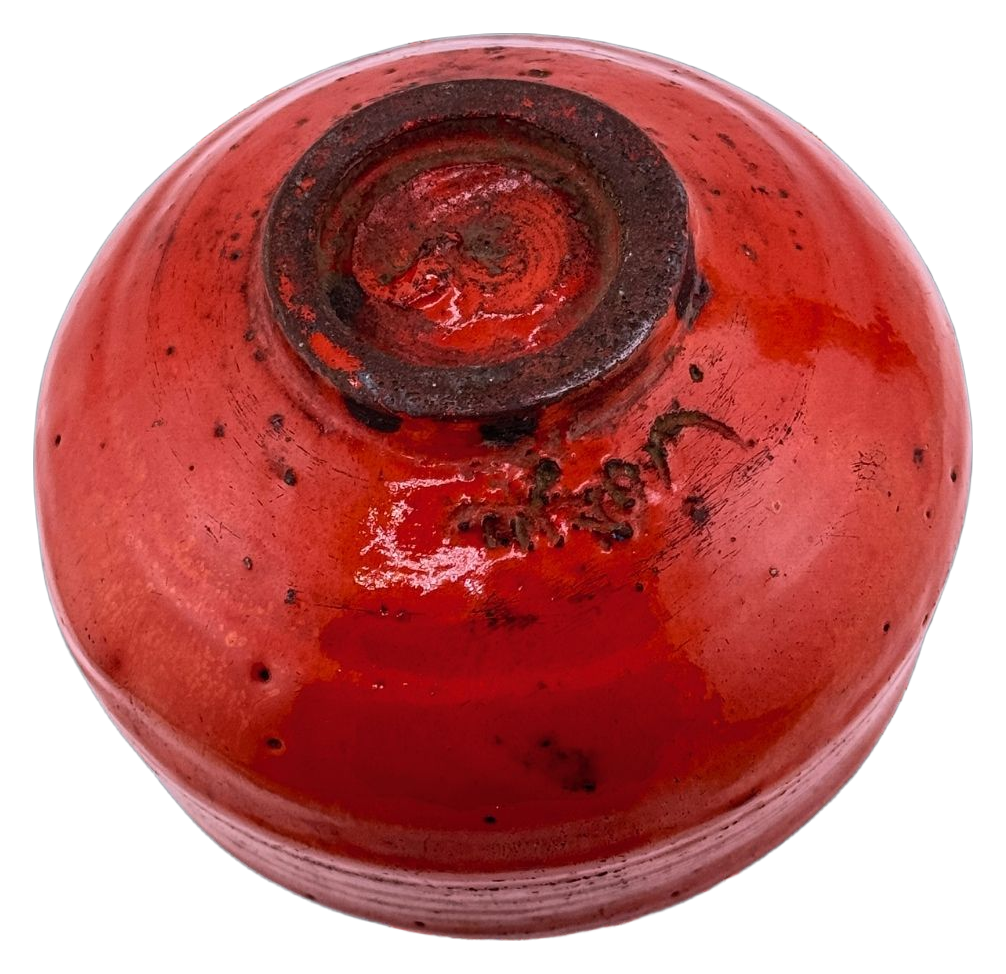

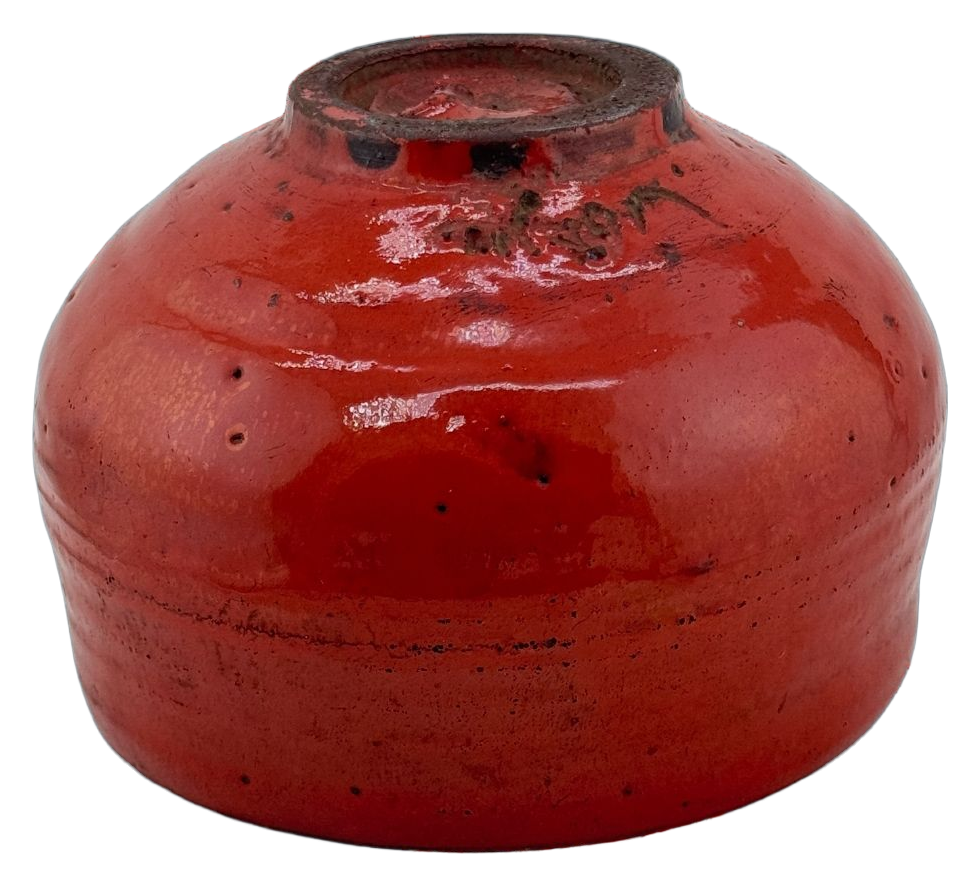
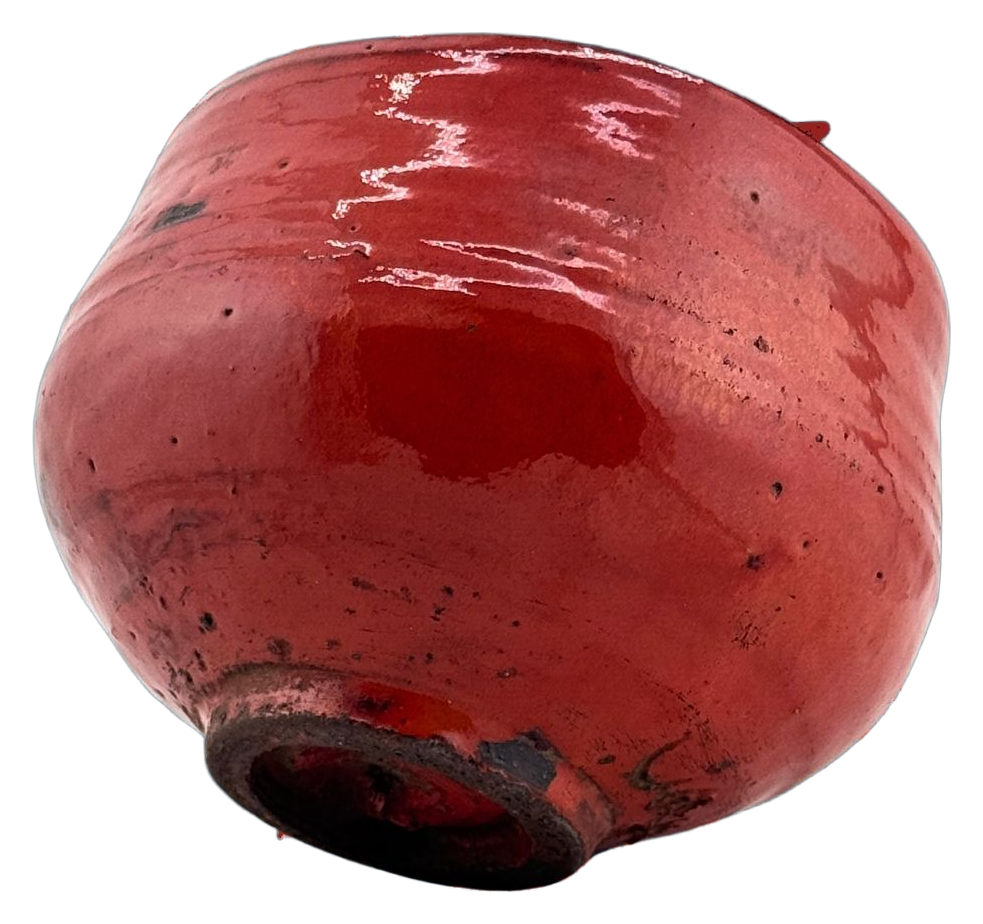
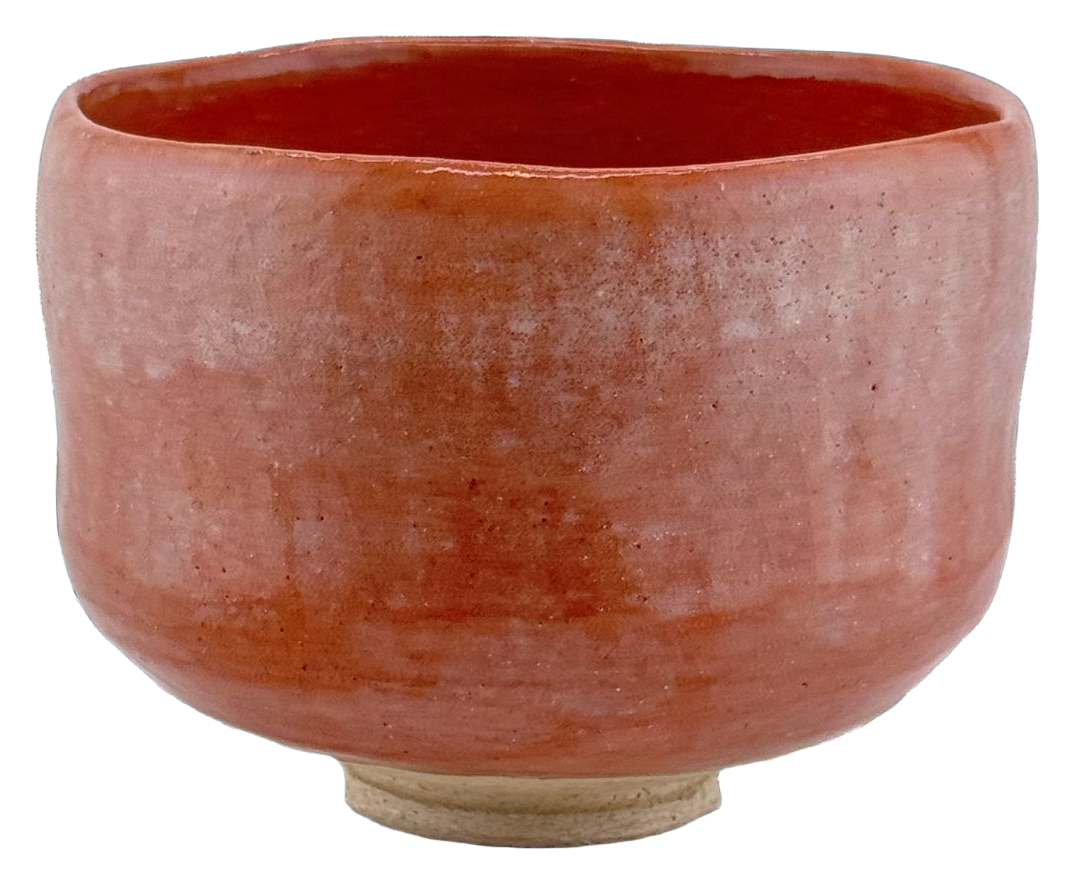
Aka-Raku Chawan – Red Raku Japan, early to mid-Shōwa period This deep red chawan glows as if it has stored the warmth of the fire within itself. The glaze displays a lively interplay of bright red, dark smoky shades, and a finely woven network of crazing (貫入 kannyū), which is typical of older Aka-Raku works. The rim is deliberately irregular, the form slightly rounded, organic, and soft. It is precisely this imperfection that gives it its calm, wabi-sabi presence. Turning the bowl reveals a smooth red interior surface, whose depth is further enhanced by the crazing structures. The foot ring is darkly fired, dense, solid, and shows a clearly formed spiral in the center – a traditional feature of many Raku workshops around Kyoto. Artist's stamp – 手印 by the potter The signature is not an engraved kanji, but a freely incised personal potter's mark (個人印 kojin-in). This type of signature is typical of smaller workshops that worked in the orbit of the Raku family tradition: expressive lines, spontaneous movement, no official seal geometry.The form of the engraving, the firing color of the foot, and the style of the glaze suggest that the bowl was created in the early to mid-Shōwa period (昭和初期〜中期, ca. 1930–1960).Regional characteristics such as the clay color, form, and glaze application clearly point to Kyoto / 楽焼系 Raku schools. Style & Atmosphere This Aka-Raku bowl radiates an immediate warmth. Its red does not appear decorative, but pulsating – almost like a glowing surface that has solidified in the kiln for a few seconds. The small iron spots, the flowing color transitions, and the fragrant smoky tone in the upper area show a craftsmanship freedom that is only possible with genuine Raku ceramics.It is ideal for strong matcha, tea ceremonies in a quiet setting, or as a collector's item with a distinct historical character. Historical Classification Early to mid-Shōwa period (1930–1960)Characterized by glowing Aka-Raku glazes, dark firing zones, organic forms, expressive free artist engravings, and finely pronounced kannyū on the interior. Regional Classification Kyoto / SurroundingsClearly attributable to the extended school of 楽焼 Raku ceramics, but not from the direct main line of the Raku family, but from workshops that worked in their style and used their own potter's marks. Details • Material: Raku ceramics (楽焼)• Type: Aka-Raku Chawan 赤楽茶碗• Age: early to mid-Shōwa period (1930–1960)• Glaze: deep red-hot fire color (火色) with dark smoky zones• Interior: fine, fully developed crazing (貫入)• Form: slightly rounded, soft, organic• Rim: deliberately irregular, traditionally hand-formed• Kodai: darkly fired, with a pronounced spiral form• Signature: free artist engraving 個人印• Origin: Kyoto region• Style: Wabi-Sabi, traditional Raku aesthetics• Ideal for: Matcha, ceremonies, collectors of Japanese ceramics This bowl stands in a tradition of tea enjoyment that has been cultivated for generations.… Read more
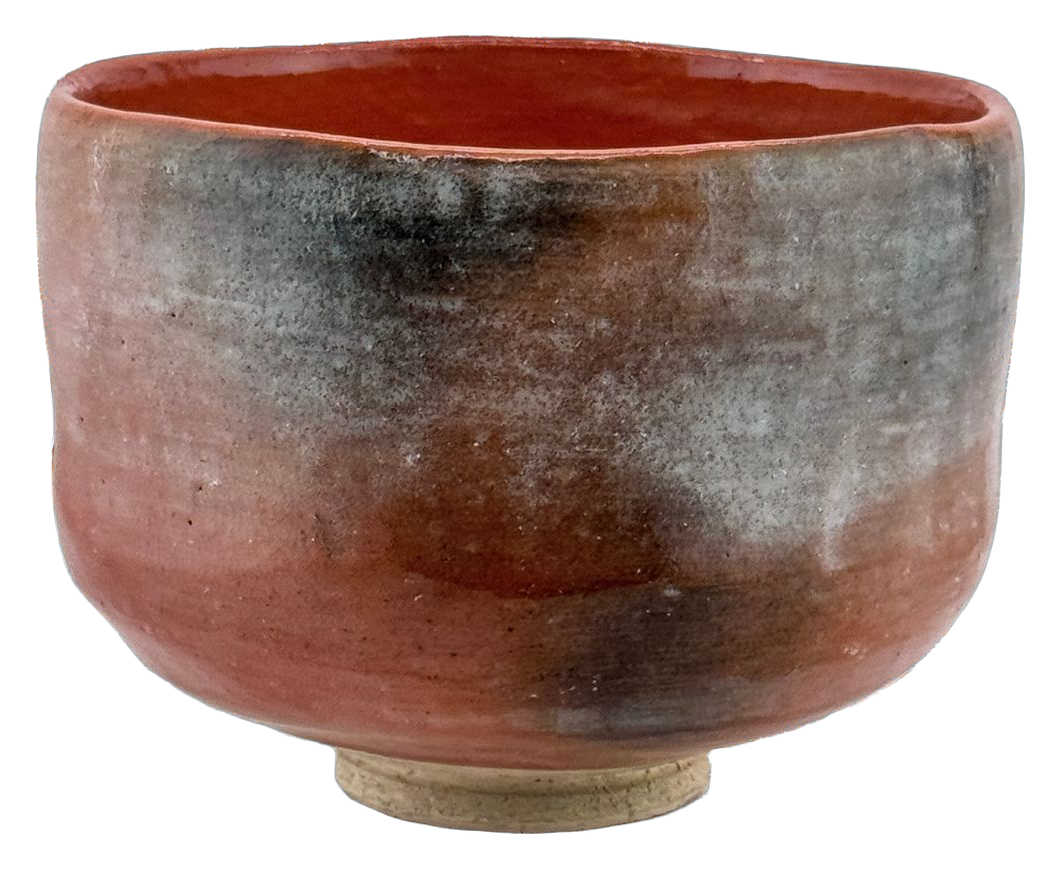

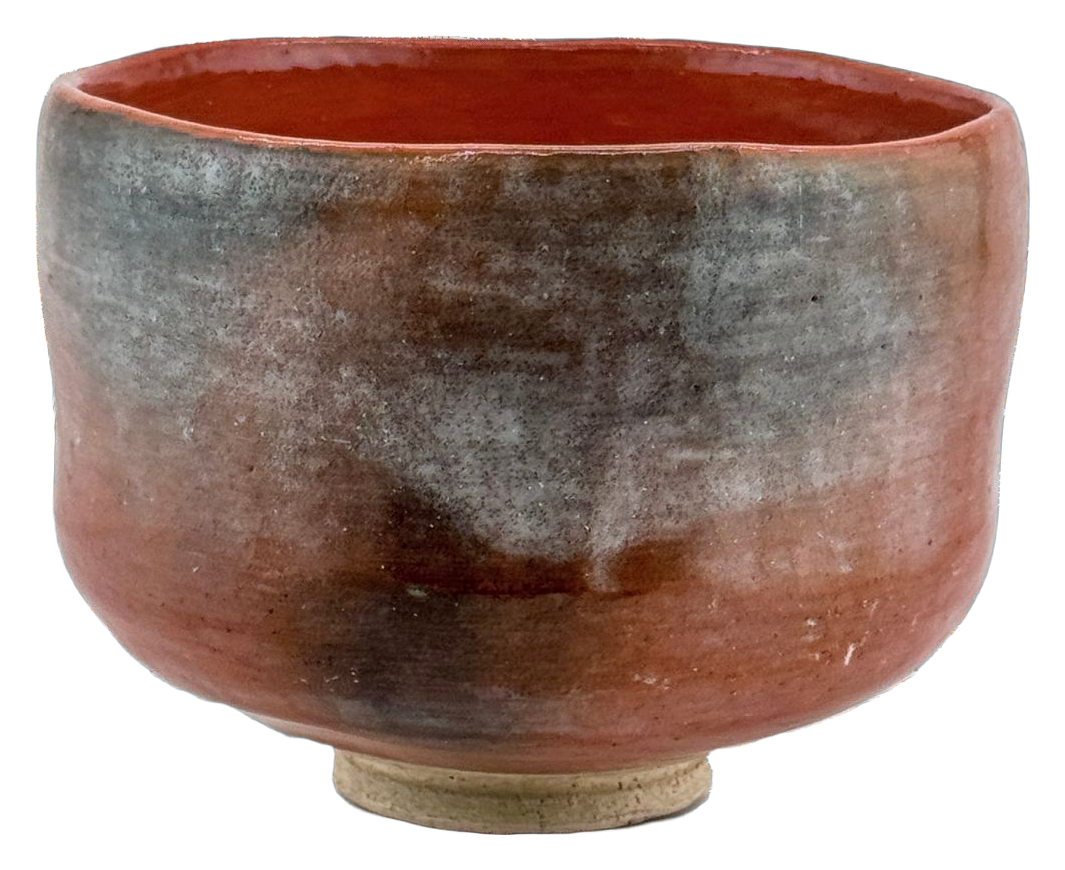


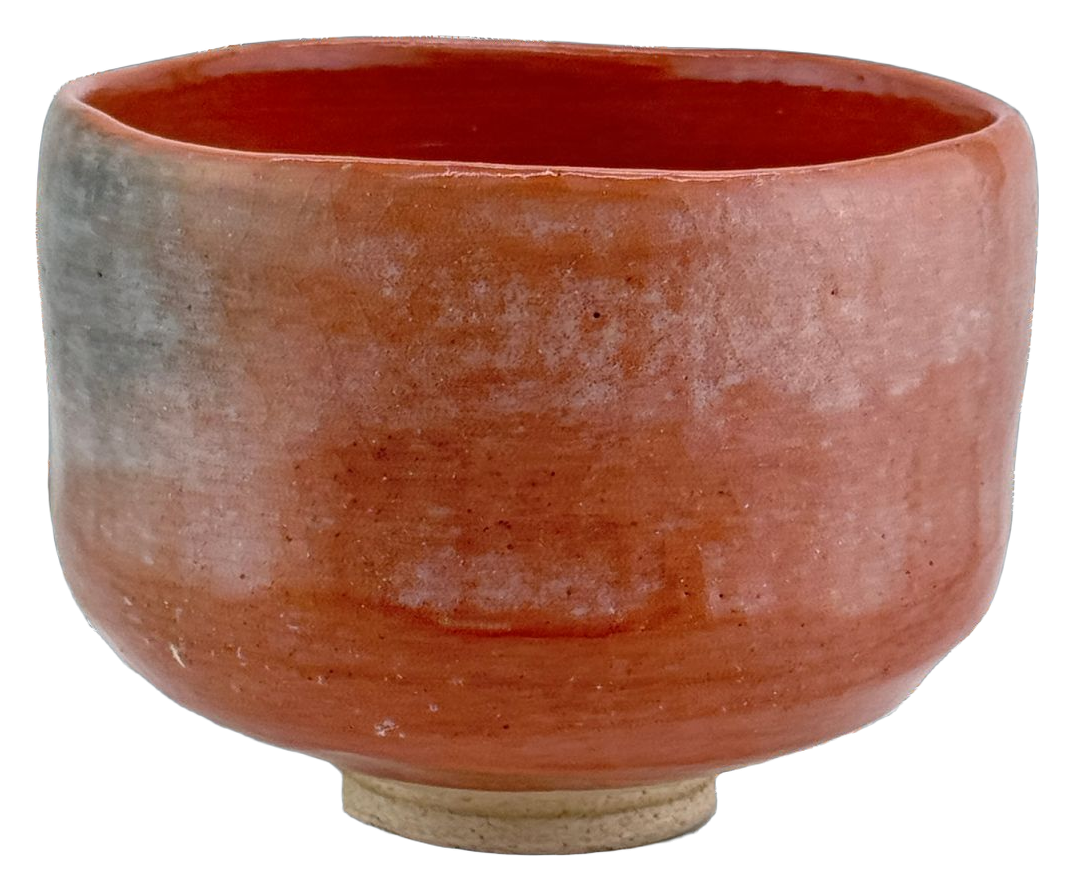
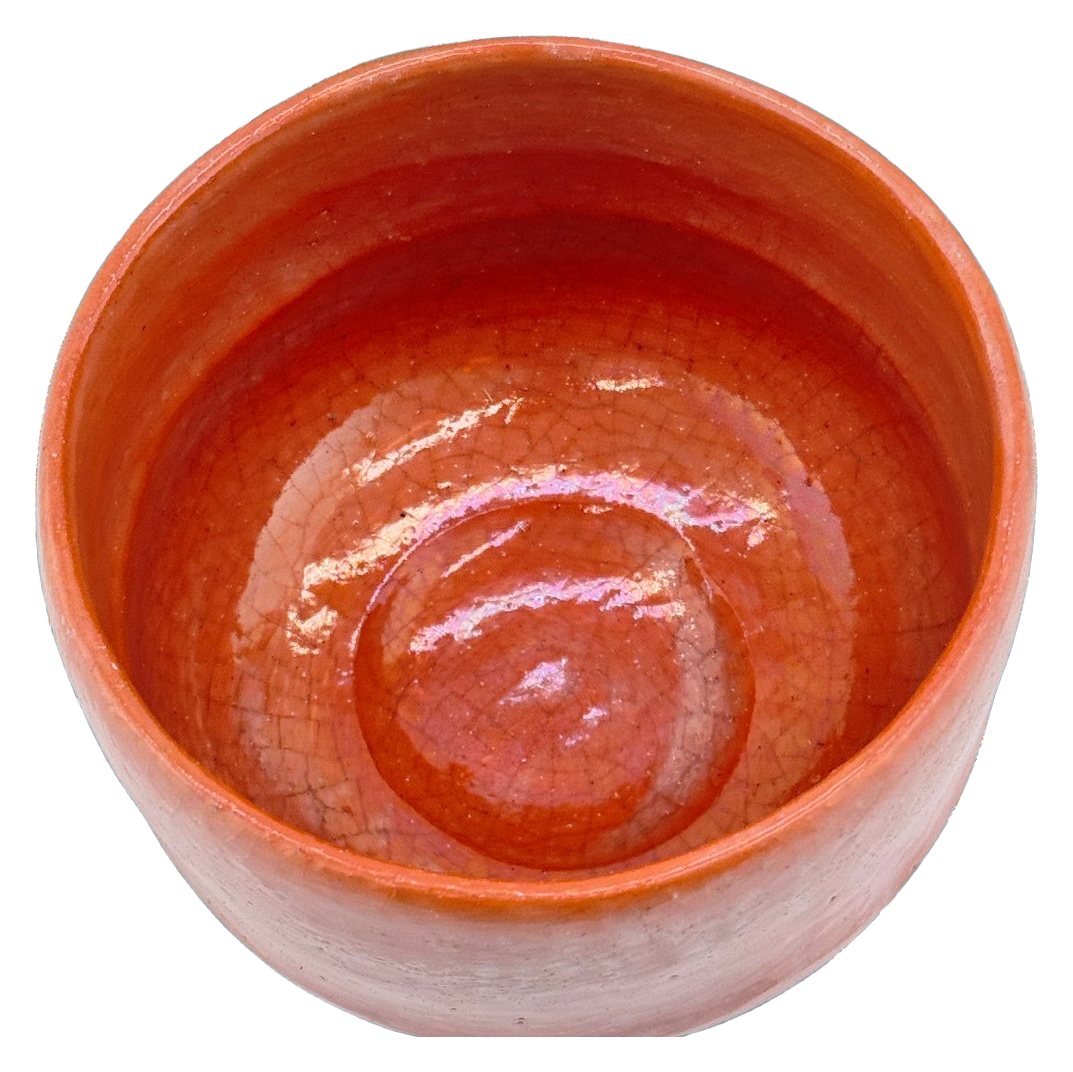

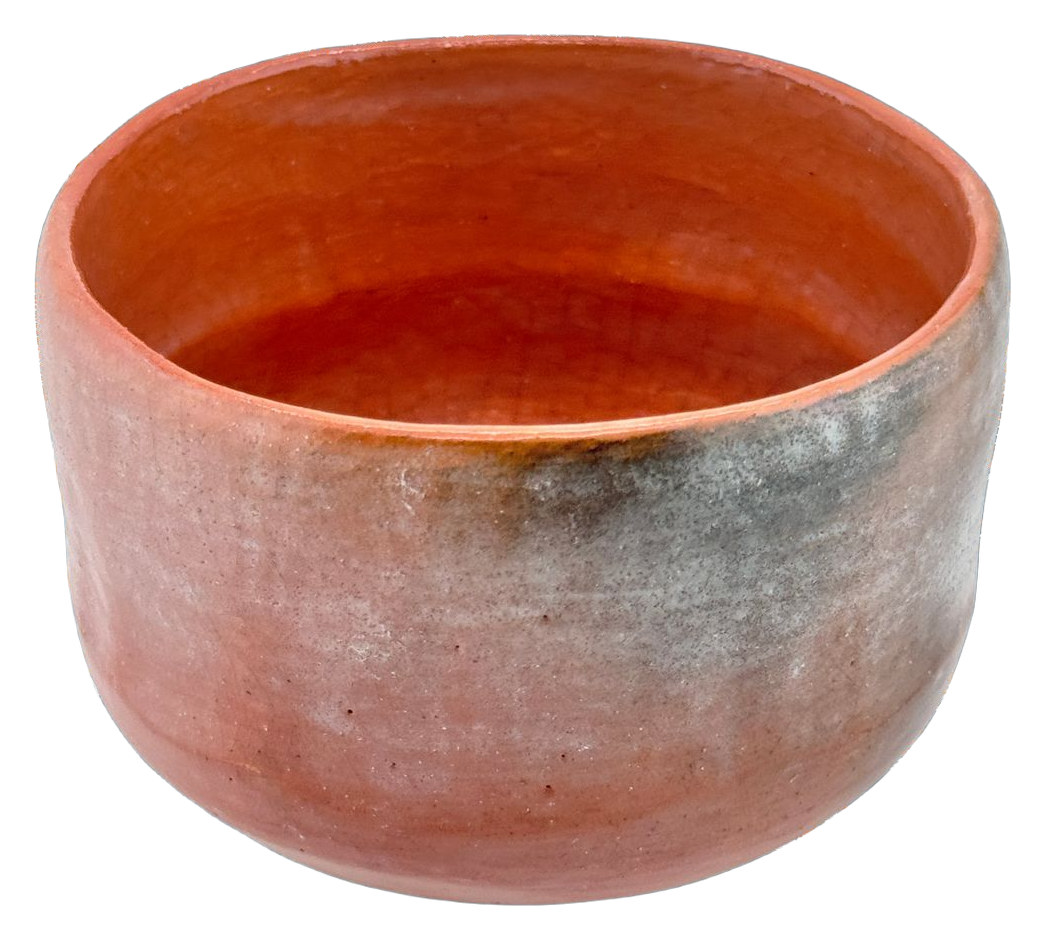
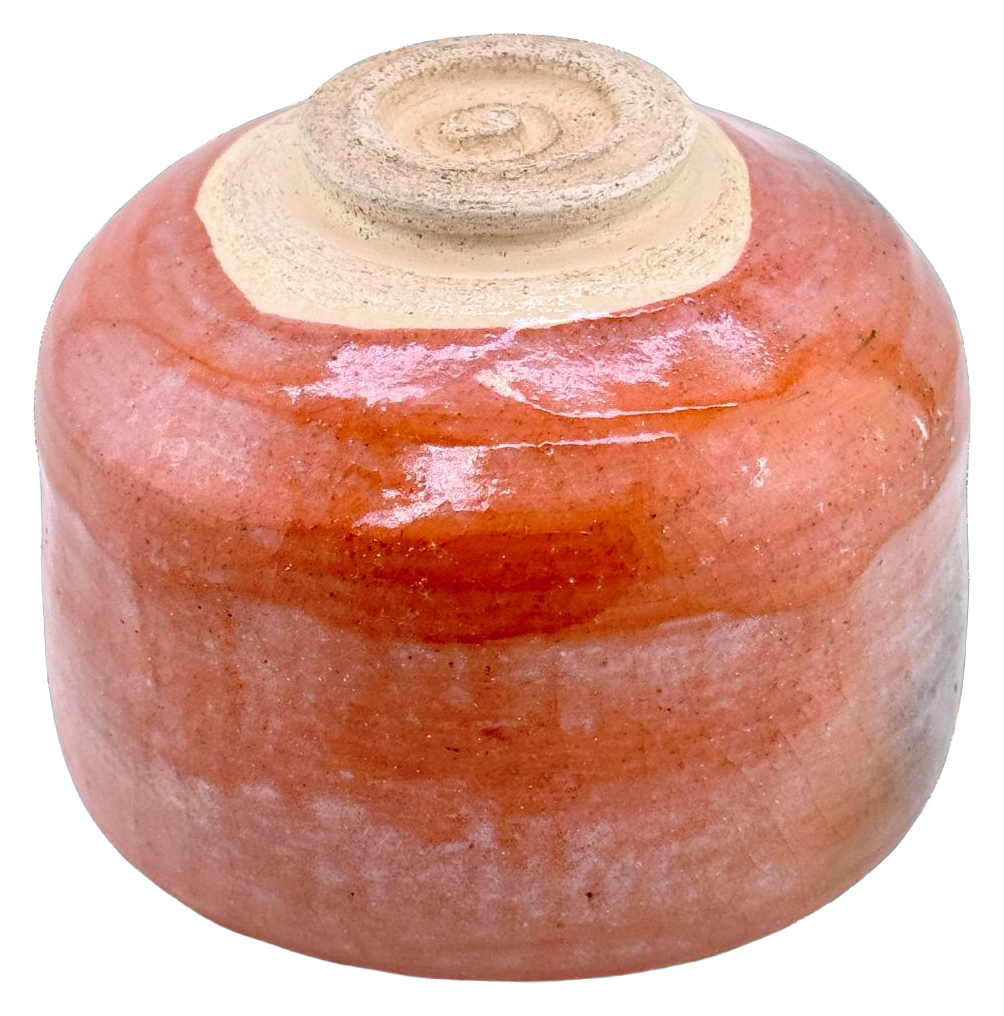

朱の余韻 – Aka-raku-inspired Matcha Bowl with a Breath of Fire This 茶碗 (chawan) looks as though it has just come out of the kiln. Inside, it is a vibrant, almost orange-red; outside, it features a soft transition from terracotta to smoky gray zones—like soot gently settled on the clay. The interplay between the glossy interior and the matte, slightly powdery exterior strongly evokes the 赤楽茶碗 (Aka-raku chawan) of Kyoto: warm, earthy, and immediate. The walls are deliberately irregular Slightly organically curved, with a minimally manipulated rim. The interior shows fine craquelé (貫入 kan’nyū), which will become more pronounced over time through use with tea. The foot is finely crafted, with clearly visible throwing rings—neatly finished but not overly polished. It is precisely this combination of tranquility and vitality that makes it a bowl that immediately evokes intimacy and warmth when whisking matcha. Artistic and Historical Context The stamp on the foot shows an oval seal with two stylized kanji—clearly an individual artist’s stamp, not a mass-produced logo. The combination of red-fired clay, Aka-raku-inspired glaze, and the clean, modern cylindrical form points to contemporary studio pottery from the 京焼 Kyō-yaki / Kyo-ceramics tradition. This bowl was most likely made during the late Shōwa to early Heisei period, so between the 1980s and early 2000s, in a studio that reinterprets the aesthetics of the 赤楽茶碗. It is not possible to definitively attribute it to a specific workshop or named artist based on the stamp alone—so you have an authentic, though not industrially cataloged, unique piece. Overview of Characteristics Origin: Japan, probably the Kyoto region (京焼 / Kyo-ceramics) Period: late Shōwa to early Heisei (approx. 1980s–2000s, estimate) Style: 赤楽風茶碗 (Aka-raku-inspired matcha bowl) Color: terracotta outside with gray smoky veils, vibrant orange-red inside with fine 貫入 (craquelé) Surface: matte and velvety outside, glossy glazed inside Shape: slightly organic cylinder with a subtly manipulated rim Foot: finely crafted, visible throwing rings, applied oval artist’s stamp Material: stoneware / low- to medium-fired clay, retains heat well Use: ideal for matcha, but also for strong sencha or small bowl meals Handmade: studio pottery, not an industrial product, unique piece This bowl belongs to a tradition of tea enjoyment that has been carefully cultivated for generations.… Read more
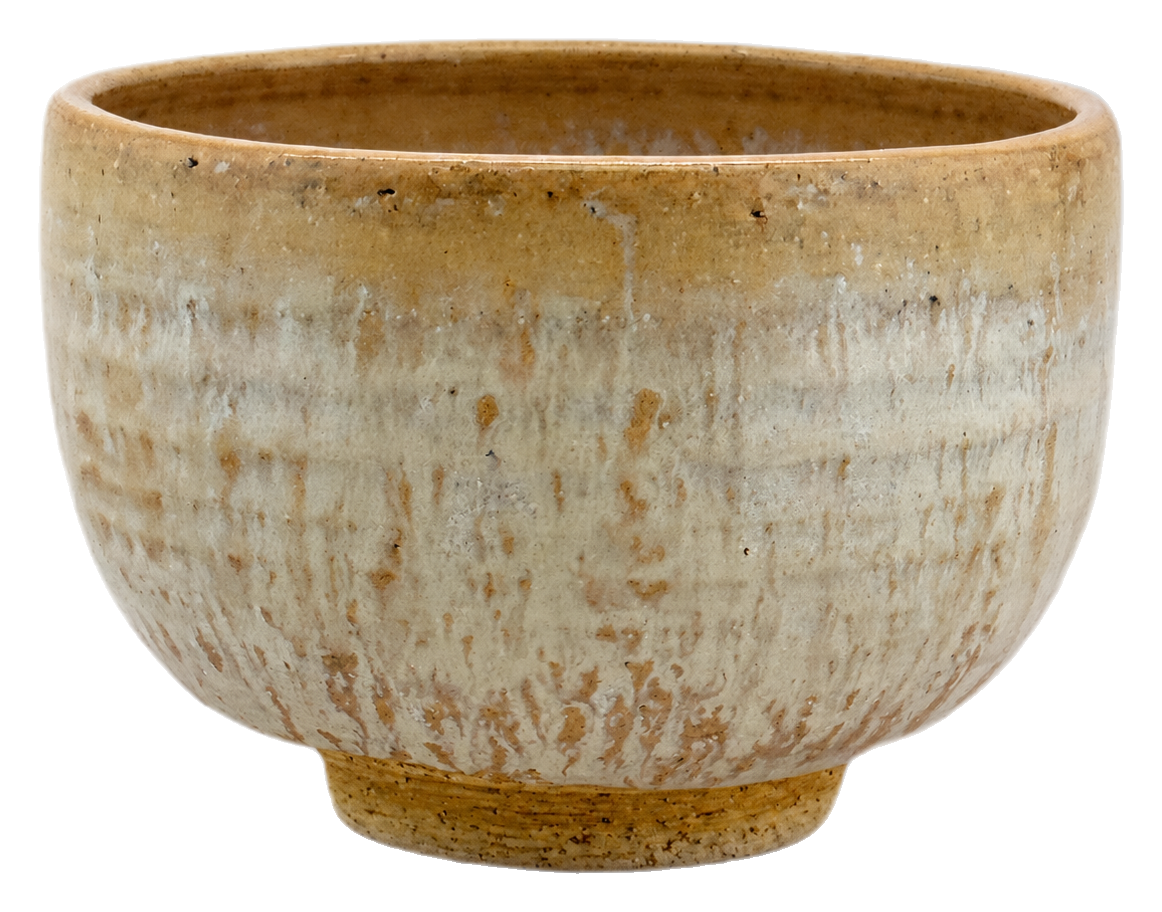
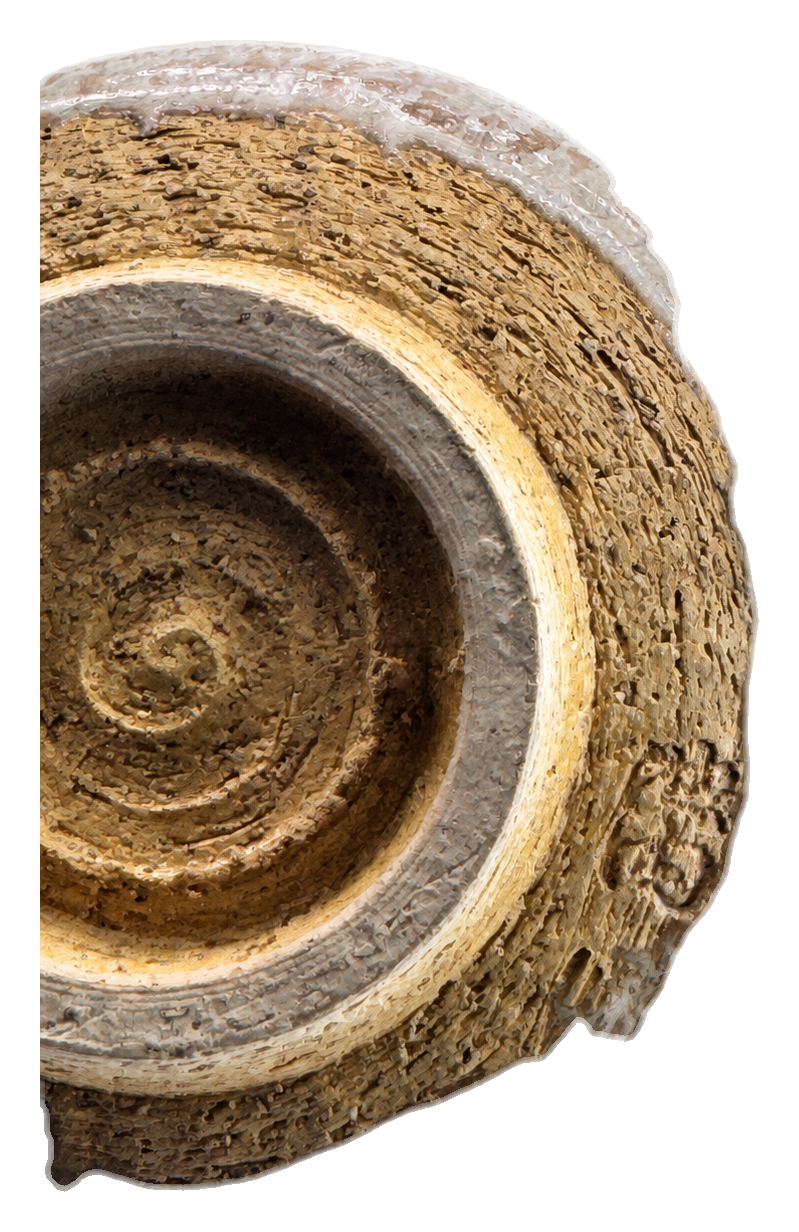

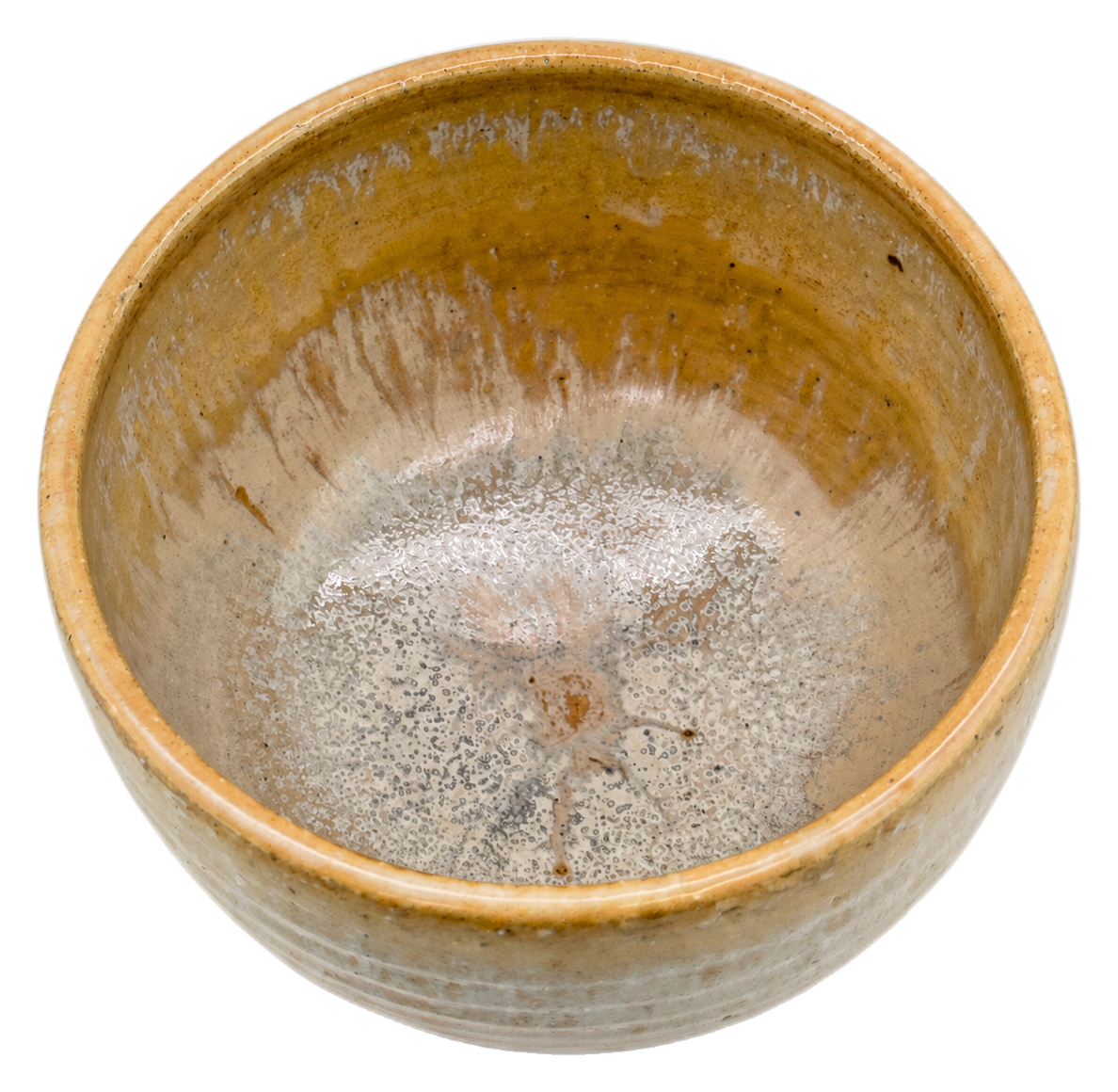
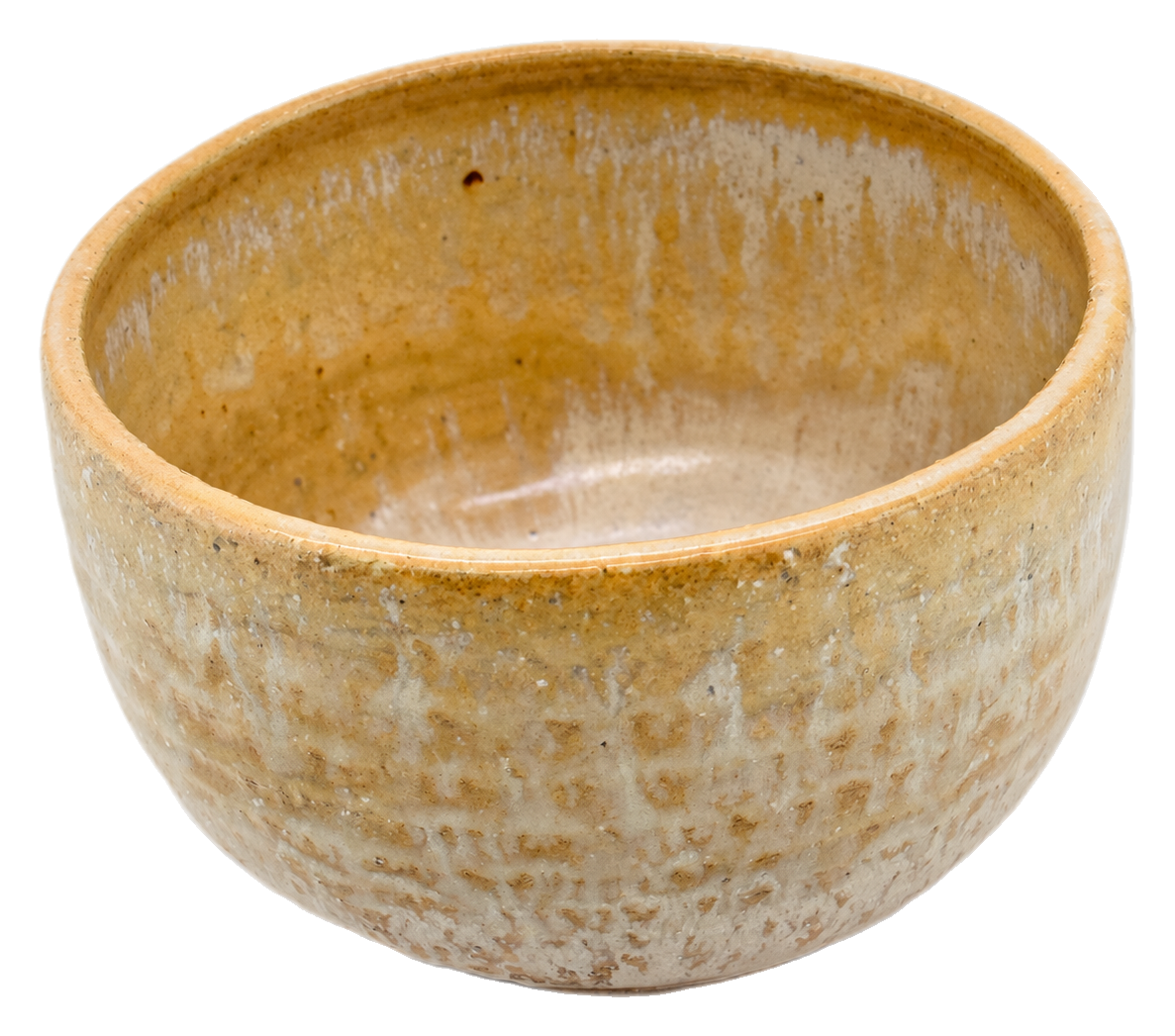
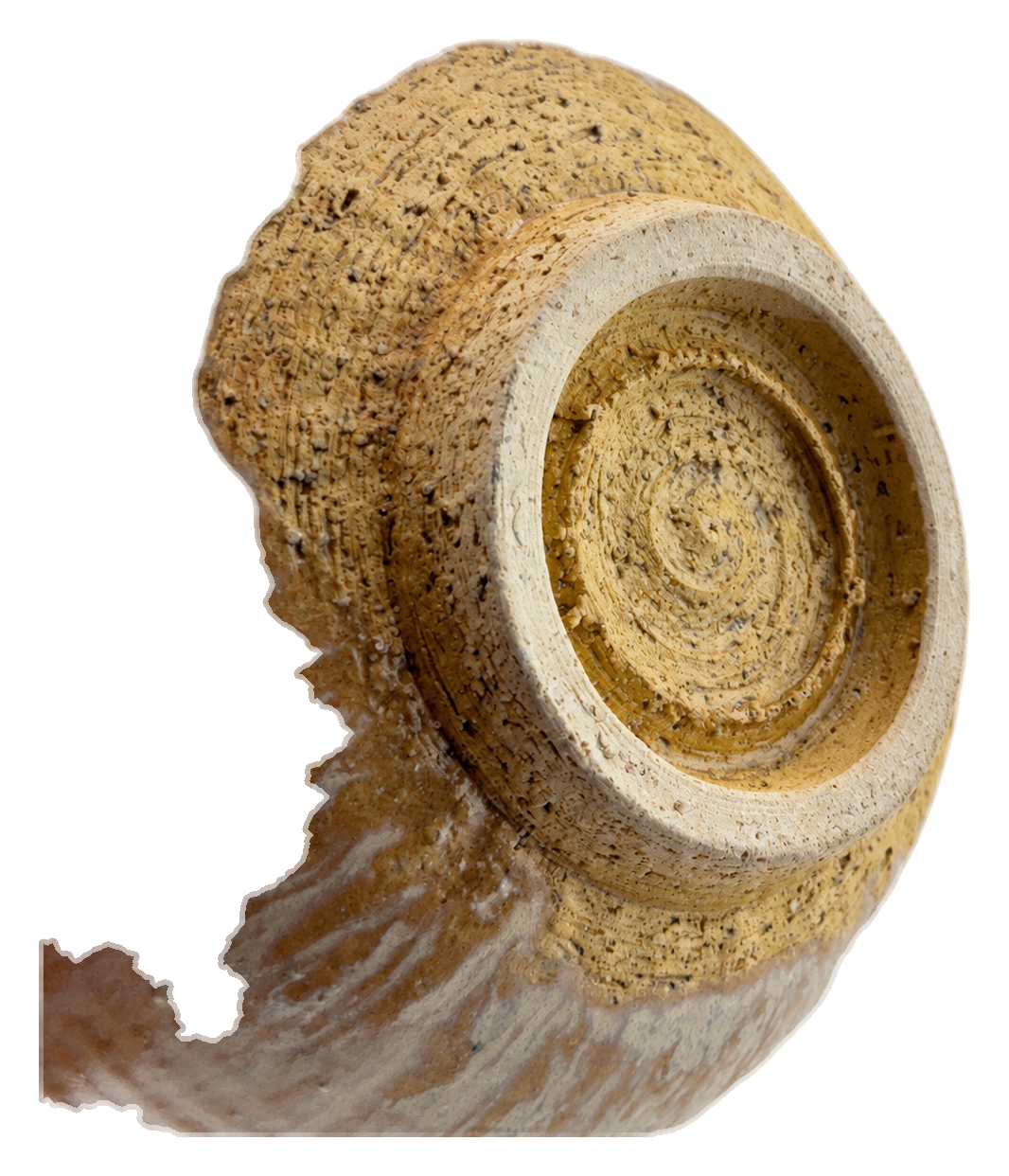


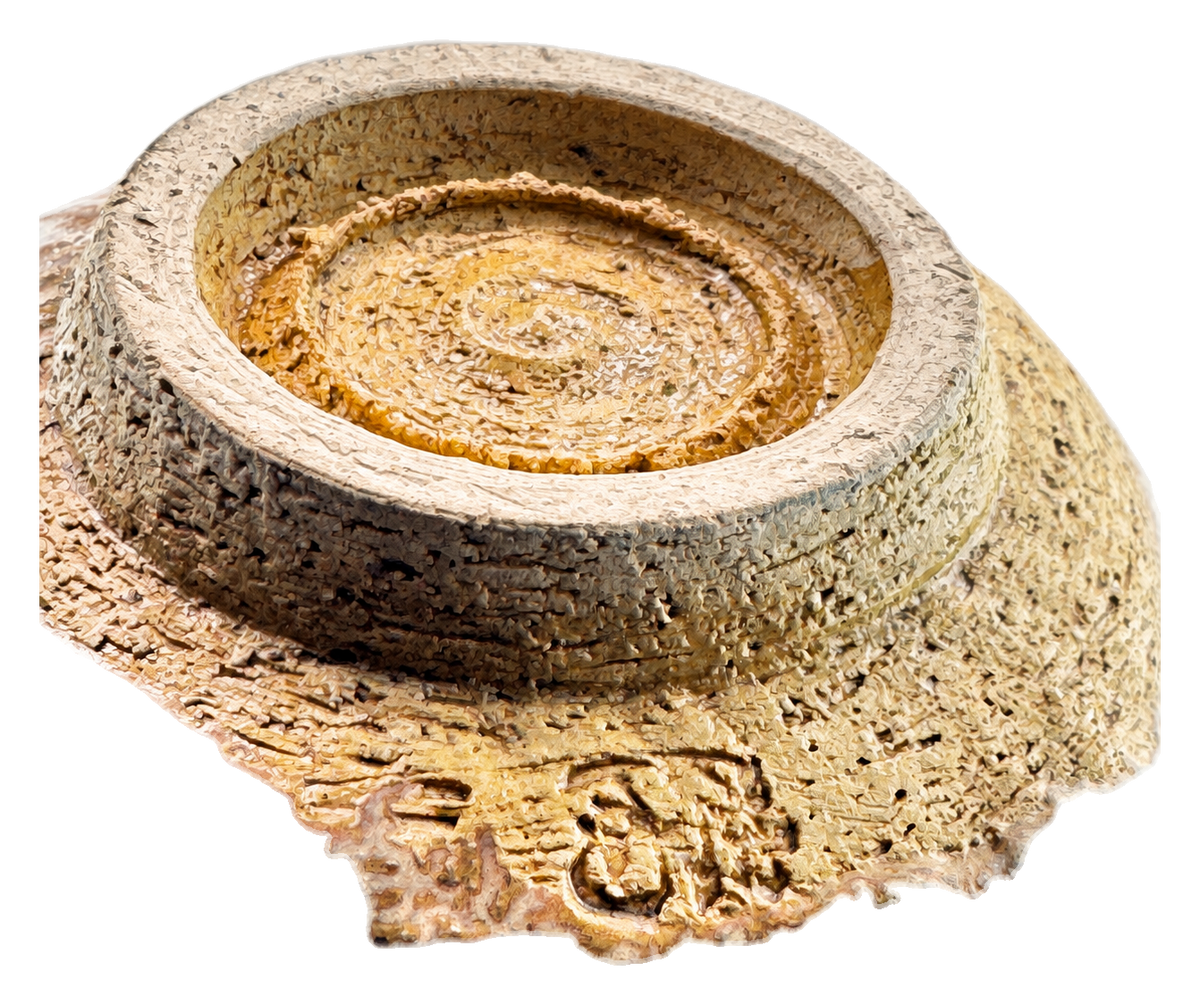
静寂の土 – A Tanba Chawan Full of Time and Depth This chawan carries the quiet strength of a vessel that has endured for many decades. Its surface shows a warm ochre that gently transforms into cream-colored natural ash, as if light were moving across a clay landscape. The vertical grooves give the bowl a calm rhythm, the handwriting of a potter who still moved the potter's wheel with their foot. The glaze is thin, matte, natural – no industrial shine, but the gentle breath of a traditional wood firing. The interior glows with a fine, silky shimmer that has developed over the years and gives matcha a special depth. The artist's seal 康弘 – a name from the early Shōwa period The identity of this bowl lies in its foot ring. The two-character seal was pressed deeply into the leather-hard clay and shows two characters:康 (Kō / Yasu) for peace and steadfastness弘 (Hiro / Kō) for breadth and inner generosityTogether they form the name 康弘 (Yasuhiro / Kōhiro), which was common in small Tanba workshops during the early Shōwa period. The form, depth, and slight irregularity of the seal correspond exactly to the hand-carved seals of traditional Tachikui masters. Thus, the bowl receives not only an origin, but also a voice: that of a ceramicist who still worked according to old principles before electric wheels and industrially stabilized glazes became common. The shape of the seal – rectangular, slightly asymmetrical, hand-carved – corresponds exactly to the seals of small Tanba ateliers from the 1920s–1950s. The combination of old clay mixture, thin natural ash glaze, and this signature style makes the attribution clear:Tanba Tachikui-yaki (丹波立杭焼), early Shōwa period. Origin and Period – Tanba Tachikui, approx. 1926–1950 The coarse, mineral-rich clay mixture, the thin natural ash glaze, the matte aged patina, and the style of the foot cut clearly indicate production between 1910 and 1950, most likely during the early Shōwa period. Tanba Tachikui belongs to Japan's oldest ceramic regions, and vessels from this time are characterized by simple functionality, organic forms, and clay that had not yet been industrially purified. Everything about this bowl – from the texture to the firing marks – bears the handwriting of this historic ceramic landscape. A Vessel That Holds Matcha with Calm Through its wide form, stable wall thickness, and gentle interior, the chawan creates a calm stage for your matcha. The bright interior lets the green shine intensely, while the weight of the material keeps the tea warm for a long time. This bowl is not a new design object, but a vessel that brings with it the silence of past decades. Every use feels like a small dialogue with the past. Characteristics Product: Matcha bowl (Chawan 茶碗)Artist: 康弘 (Yasuhiro / Kōhiro)Origin: Japan, Tanba Tachikui (丹波立杭焼)Time period: early Shōwa period, approx. 1926–1950Material: coarse-grained Tanba stonewareGlaze: light natural ash, ochre-cream coloredForm: traditional Tanba chawan, wide openKodai: left raw, spiral center, deeply incised sealColor: Ochre, Cream White, fine ash gradientsTactile feel: matte aged glaze, noticeable throwing ringsPackaging: Gift box This bowl stands in a tradition of tea enjoyment that has been carefully maintained for generations.… Read more

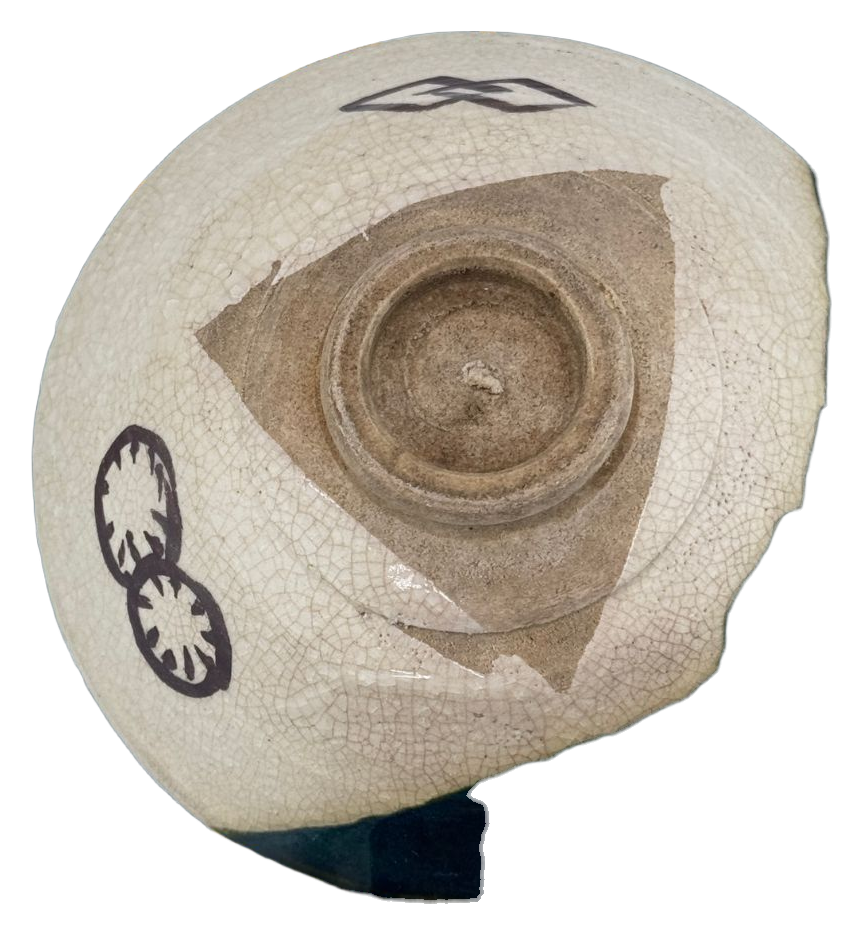


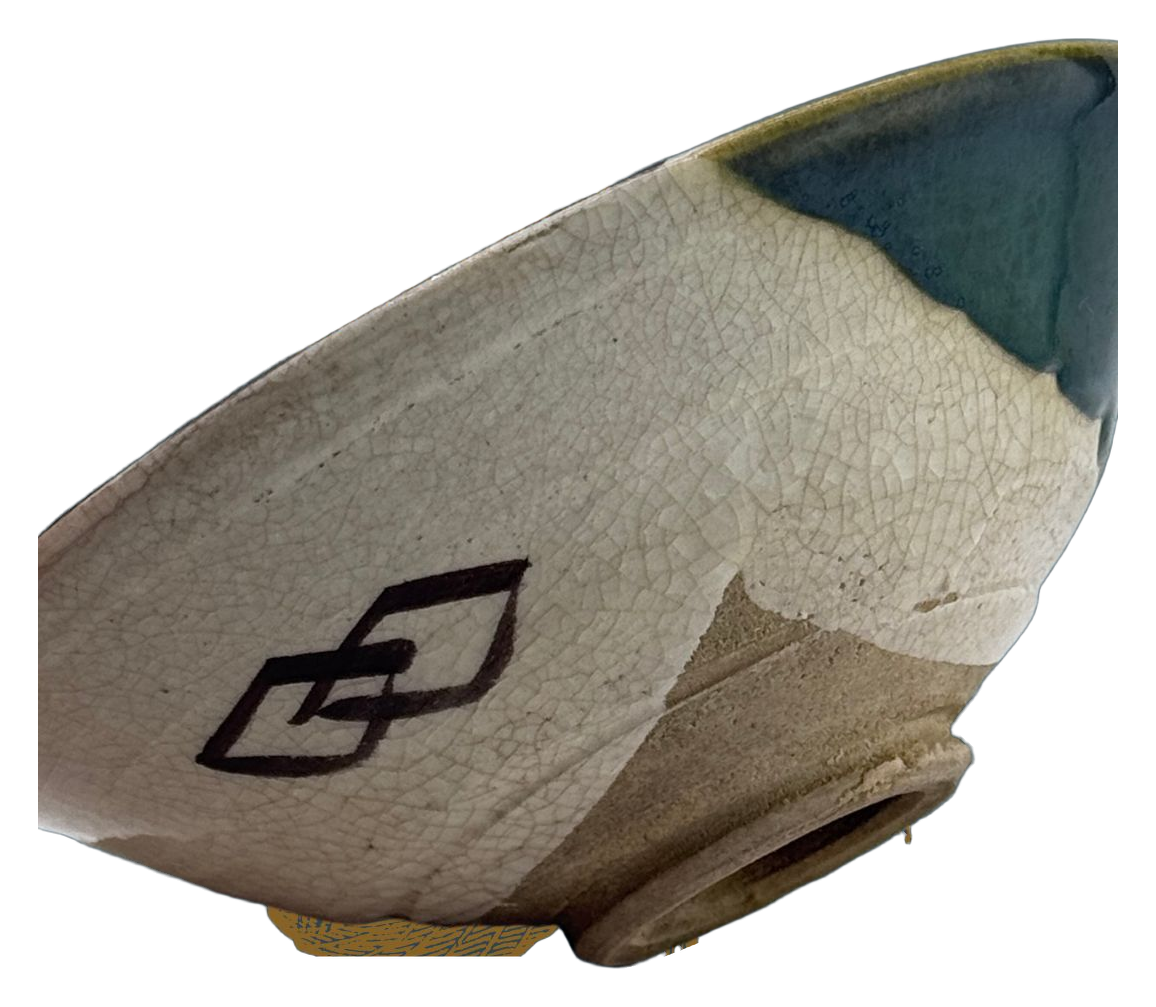


Form & Origin – a bowl from the world of 美濃焼 (Mino-yaki) This tea bowl clearly belongs stylistically to the tradition of 美濃焼(Mino-yaki) in Gifu Prefecture. Its wide-open, gently rising contour follows the form of an elegant 反り端形(Hatazori-gata): a wide, slightly outward-leaning rim that gives the tea room to breathe and offers you a particularly open mouthfeel while drinking. The small, compact foot makes the bowl appear almost floating – a classic feature of many Mino bowls that bridge the gap between everyday use and tea ceremonies. Glaze & Aesthetics – 青織部(Ao-Oribe) in a crackle robe The surface shows a dense network of fine 貫入(Kannyū) cracks, typical of crackle glazes and giving the bowl even more character over time. The light, almost ivory-colored glaze is broken by a powerful field of deep emerald green – a strong nod to the aesthetics of 青織部(Ao-Oribe). It looks as if a green slope falls into a light, stony landscape. The glaze runs deliberately unevenly, pooling in gentle waves and bringing to mind riverbanks, rocks, and moss in the tea ritual. Inside, the darker glaze field creates a stage for green tea: Matcha, Kabusecha, or Sencha are reflected in the emerald green shine, becoming visually more intense and appearing even more vibrant. Symbolism, Kanji & Workshop Context – Kamon Motifs Instead of an Individual Signature On the outside of the bowl, you will find two striking, darkly painted symbols: a double rhombus and a pair of stylized blossoms, reminiscent of 家紋(Kamon), traditional family and heraldic crests. These marks are not classic, legible 落款(Rakkan) seals with kanji for an artist's name, but rather 共号(Kyōgō) – recurring workshop or lineage marks, as found with smaller 窯元(Kama-moto) and 工房(Kōbō) in the Mino region. Since no individual kanji seal is stamped or incised on the foot, the bowl cannot be clearly attributed to a known potter by name. However, the combination of clay color, glaze application, crackle structure, and kamon-like markings clearly points to a workshop deeply rooted in the Oribe tradition, presumably working in the area of Toki City or Tajimi City. You are therefore not getting an anonymous mass-produced product, but a piece of authentic studio pottery where the workshop identity is more important than the signature of an individual. Use & Tea Moments – a piece of Japanese tea culture in everyday life In the hand, the bowl feels light yet stable. The Hatazori form opens up the view of the tea, the crackle catches the light, and the emerald green glaze makes Matcha and green tea appear even more visually intense. While drinking, you feel the slightly thinned rim resting softly on your lips, while the compact foot ensures a secure stand. Whether in a quiet Matcha session, while mindfully drinking Sencha, or as a special bowl for guests – this piece brings Japanese tea culture, Oribe aesthetics, and Mino craftsmanship directly to your table. This bowl belongs to a tradition of tea enjoyment that has been carefully maintained for generations.… Read more

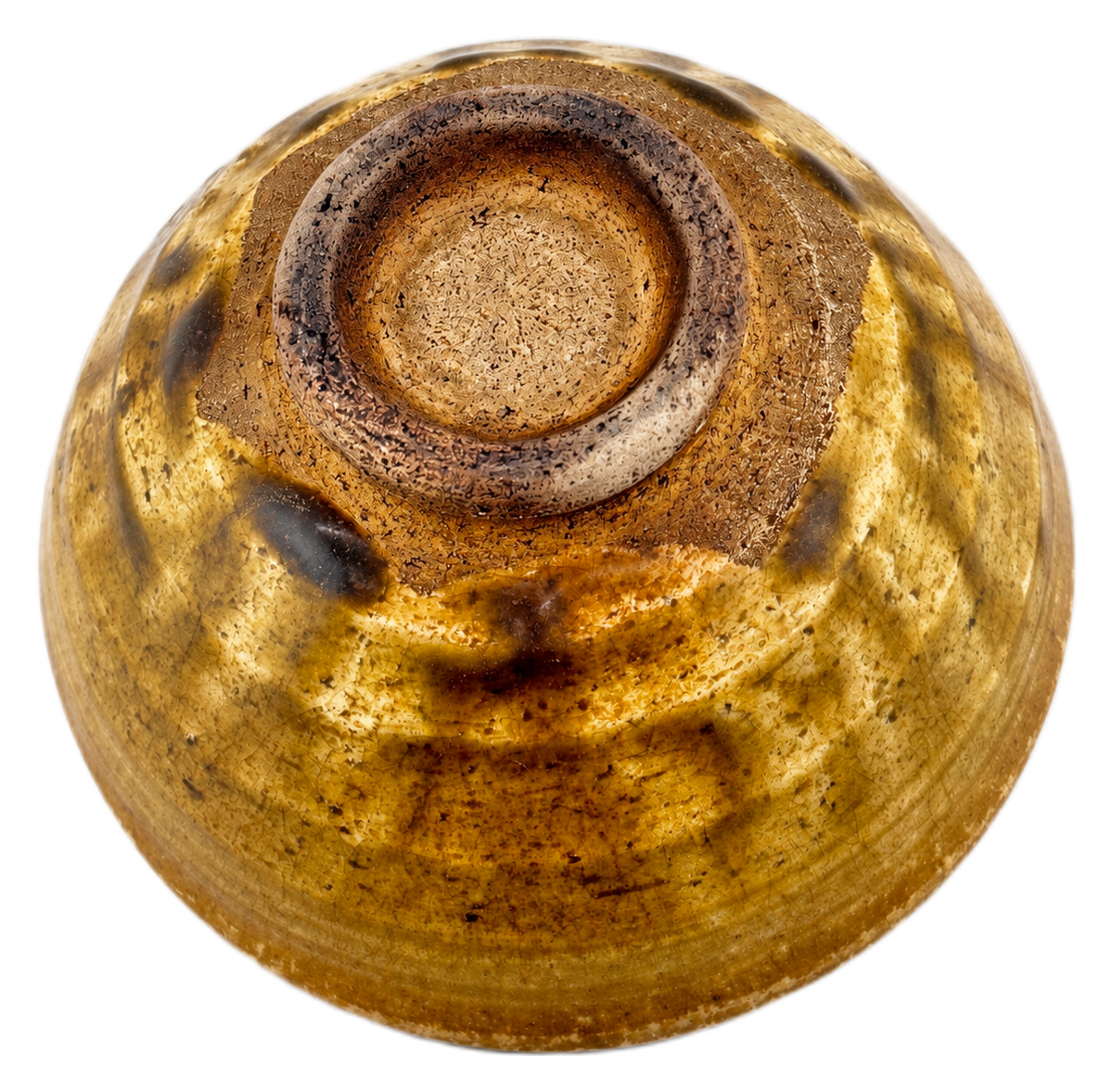
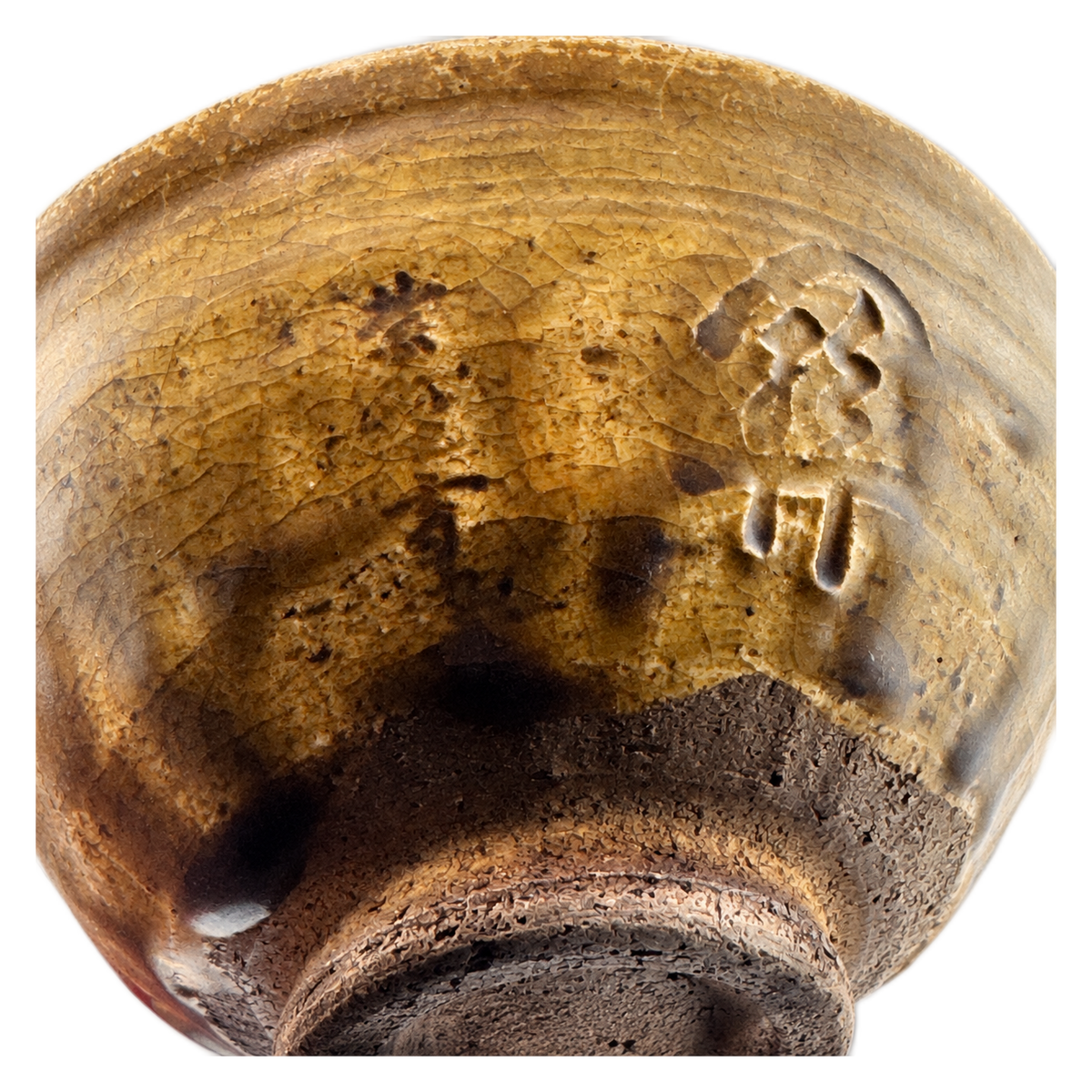


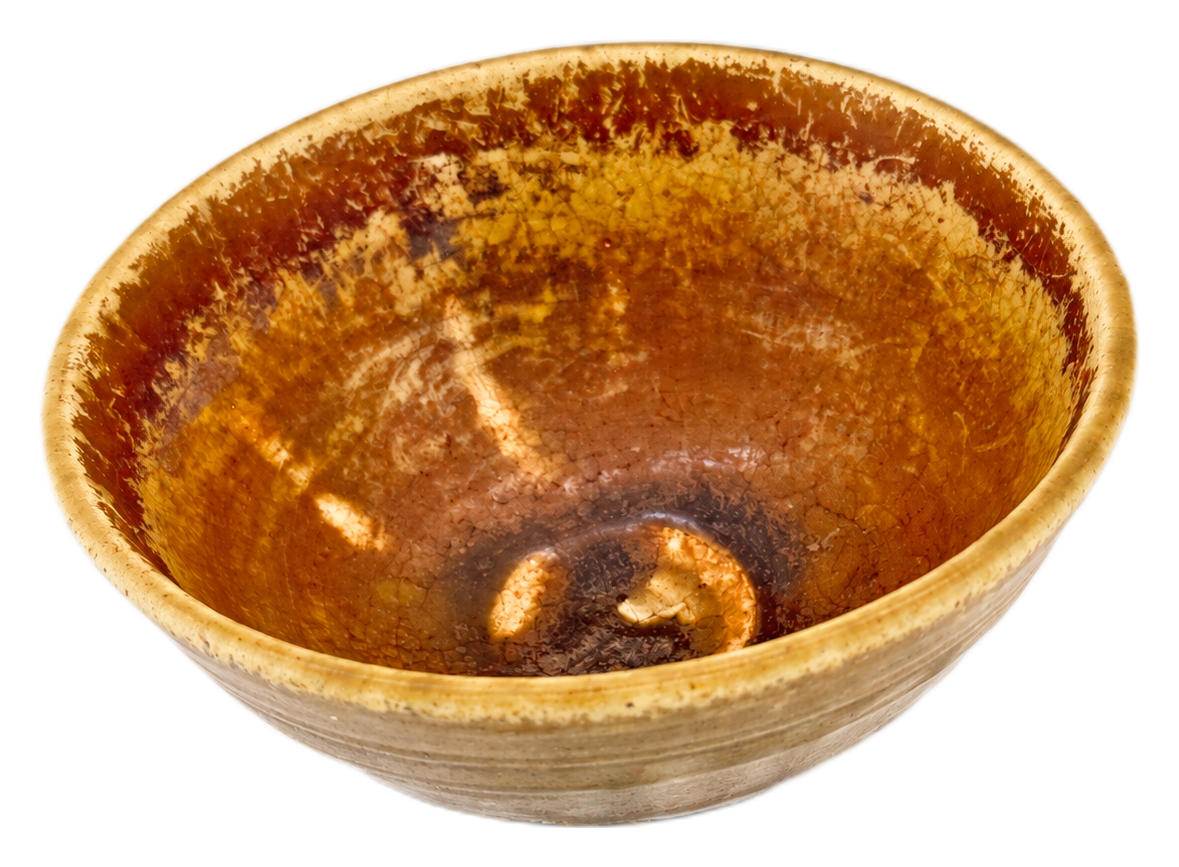


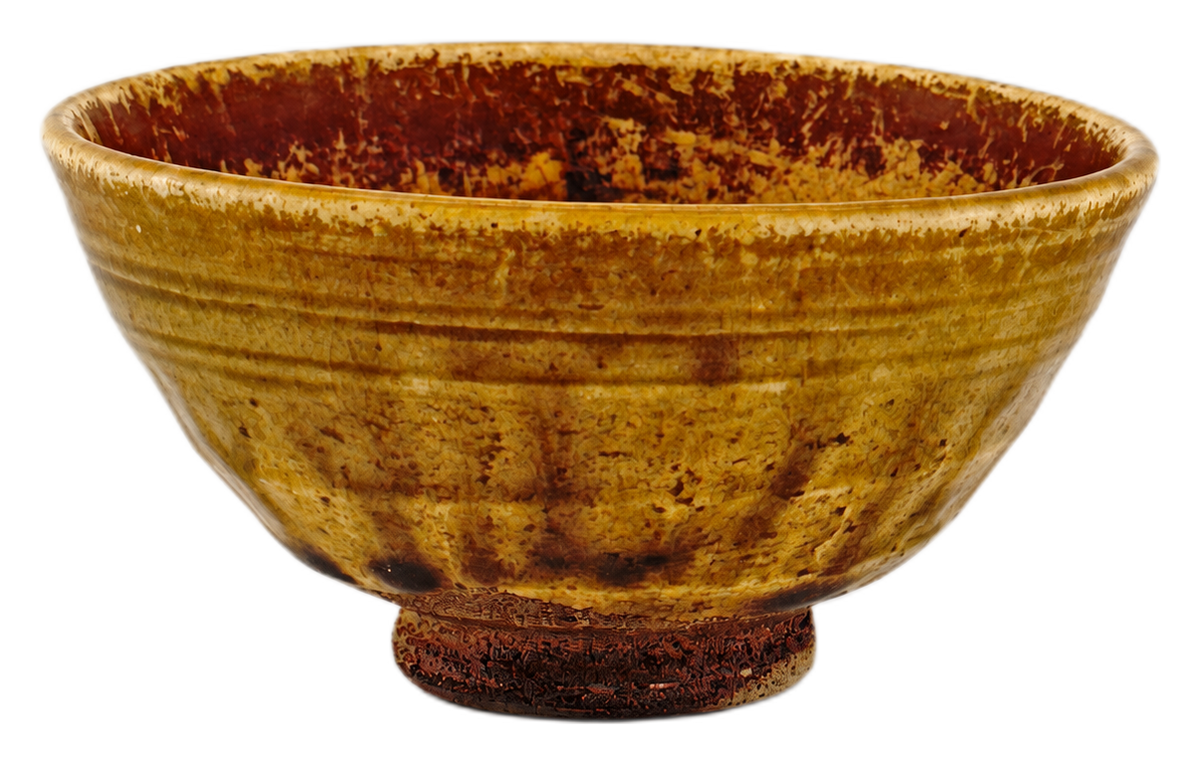


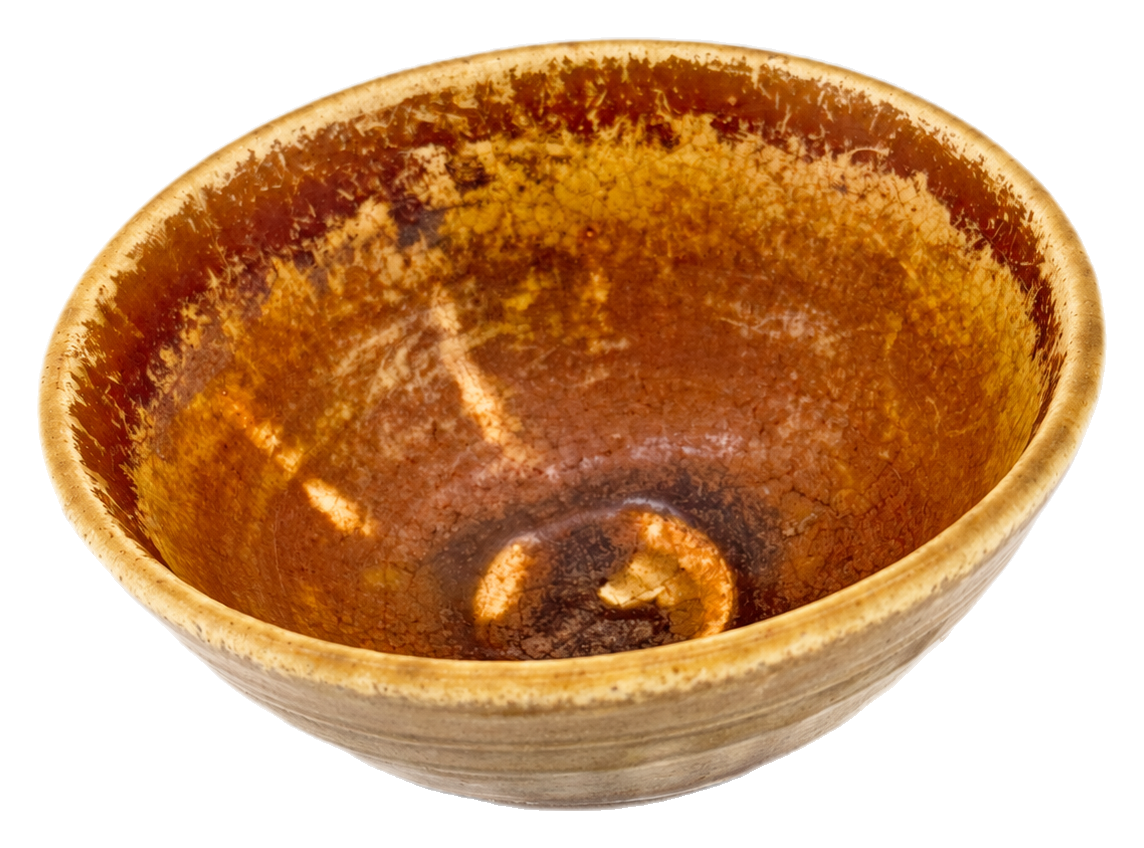
Fire, Earth, and Signature – A Japanese One-of-a-Kind Piece with History A Touch of Firelight: The Soul of This Bowl Before you lies a chawan whose appearance immediately brings to mind the early Ki-Seto aesthetic (黄瀬戸) – warm ochre, amber transitions, and an interior that glows like embers in an old Mino anagama kiln. The form opens widely and rounds gently toward the lip, placing it in the classic Wa-nari (輪形) category.The clay is coarse and mineral, showing traces of a reduction firing atmosphere: dark shades, light ash deposits, and the natural irregularities characteristic of wood-fired kilns. The interior features a luminous, multi-layered glaze with fine Kannyū (貫入), which makes the passage of time tangible.The clearly visible potter's stamp – an impressed, two-part mark – gives the piece its identity and suggests that it comes from a small Japanese studio workshop, likely from the Mino region or neighboring areas such as Aichi. This signature is not an ornament, but a personal mark. When Light Meets Clay: The Moment the Bowl Comes to Life As you turn the bowl in your hands, the warm light begins to move through the glaze. The amber zones glow as if they had captured the embers of an autumn evening. In the center, a violet-gray circle emerges, almost like a final breath of the firing that has been preserved there.The surface remains gently rough, palpably hand-formed, and full of small stories. Every groove from the wheel and every irregularity from the fire brings something personal – a rhythm that unconsciously calms you. Matcha does not simply look green in it, but like a living element that harmonizes with the color of the bowl. Traces of Fire, Marks of the Hand: What Makes It Unique The combination of Ki-Seto coloration, bold Kannyū, and the dark fire markings on the lower part creates a depth that only wood-fired ceramics can achieve. The Kodai (高台) is deliberately set high, carefully cut, and bears the potter's stamp with confident pressure.It is precisely this signature – not a mass-produced mark, but a personal studio monogram – that makes the bowl a one-of-a-kind piece that does not hide its origins. A Vessel for Stillness: Why It Transforms Your Matcha Moment The wide-open Wa-nari form offers plenty of space for the chasen (茶筅), allowing you to whisk the matcha evenly. The warm interior enhances the green of the matcha tea and creates a harmony you can feel with every sip.If you love drinking matcha – whether matcha from Japan or matcha from Germany – this matcha bowl (抹茶茶碗) will deepen your ritual and elevate your tea in color, feeling, and moment. It does not merely invite you to drink tea; it transforms the mood of the moment. Product: Matcha BowlColor: Ochre, amber, reddish-brown, violet nuancesOrigin: Japanese studio ceramics, Mino-inspiredTradition: Ki-Seto (黄瀬戸), Wa-nari form, Kannyū glazeMaterial: Ceramic, coarsely groggedForm: Wa-nariKodai: High, clearly cut, signedPackaging: Gift box This bowl stands in a tradition of tea enjoyment that has been cherished for generations.… Read more


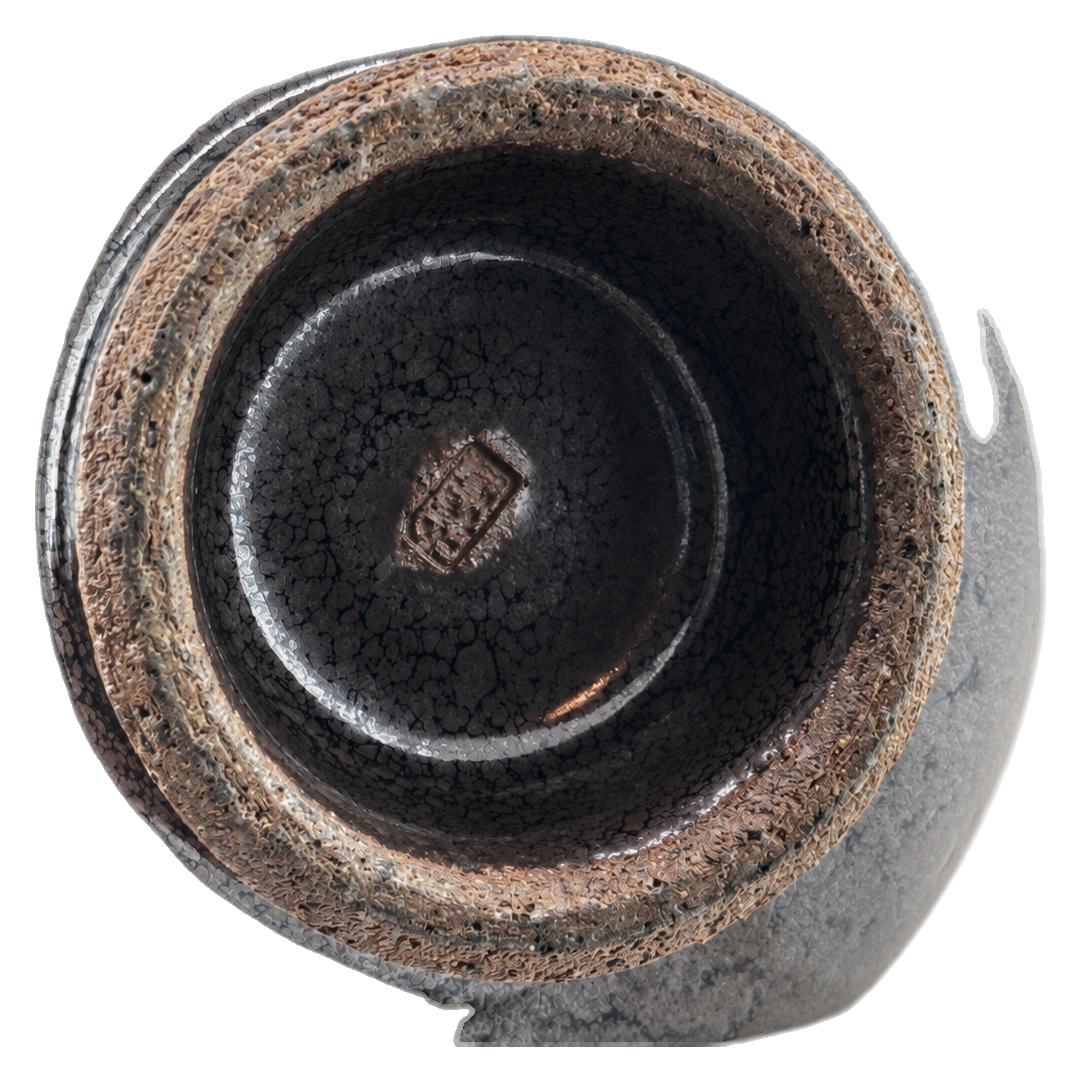


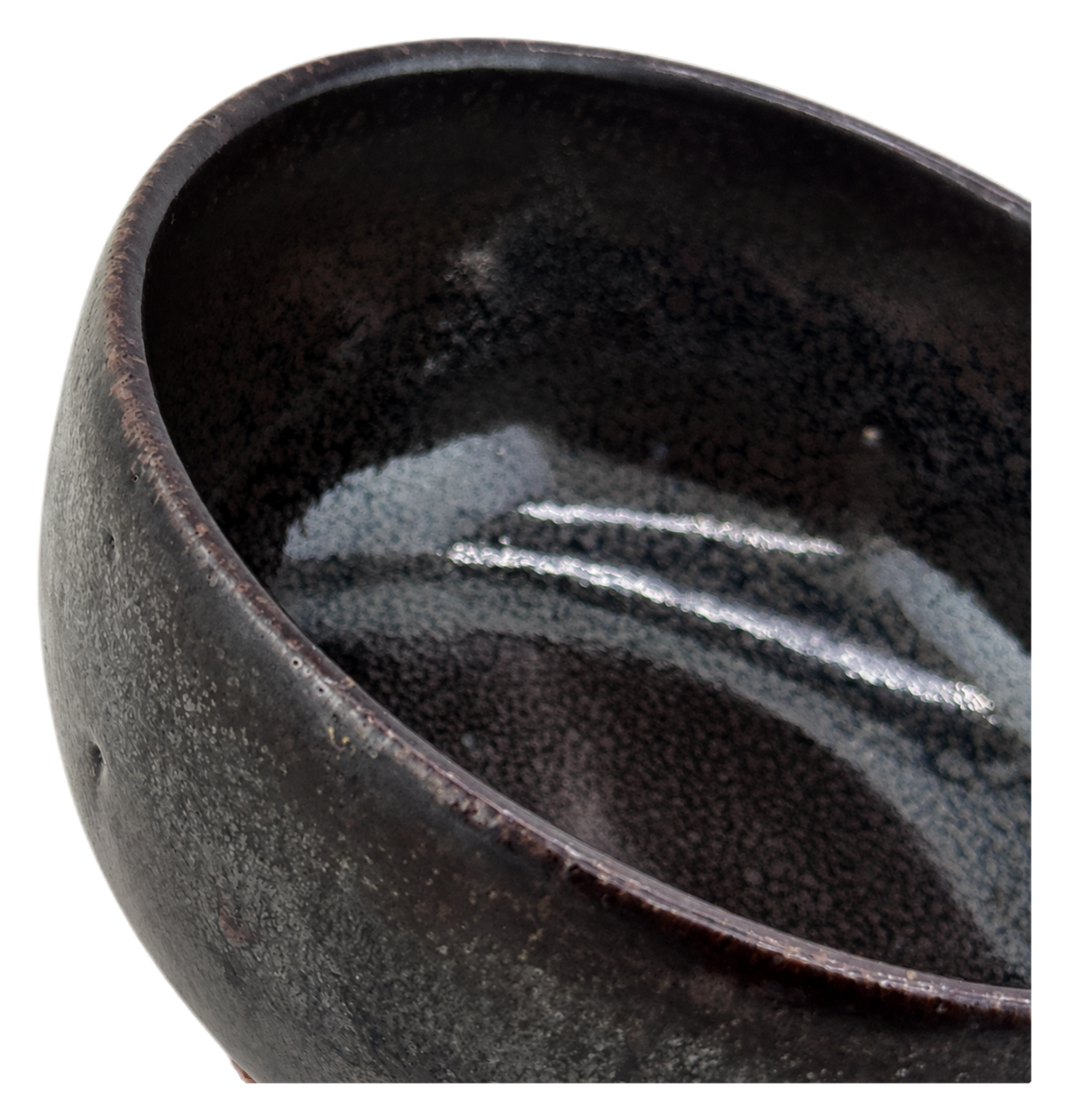


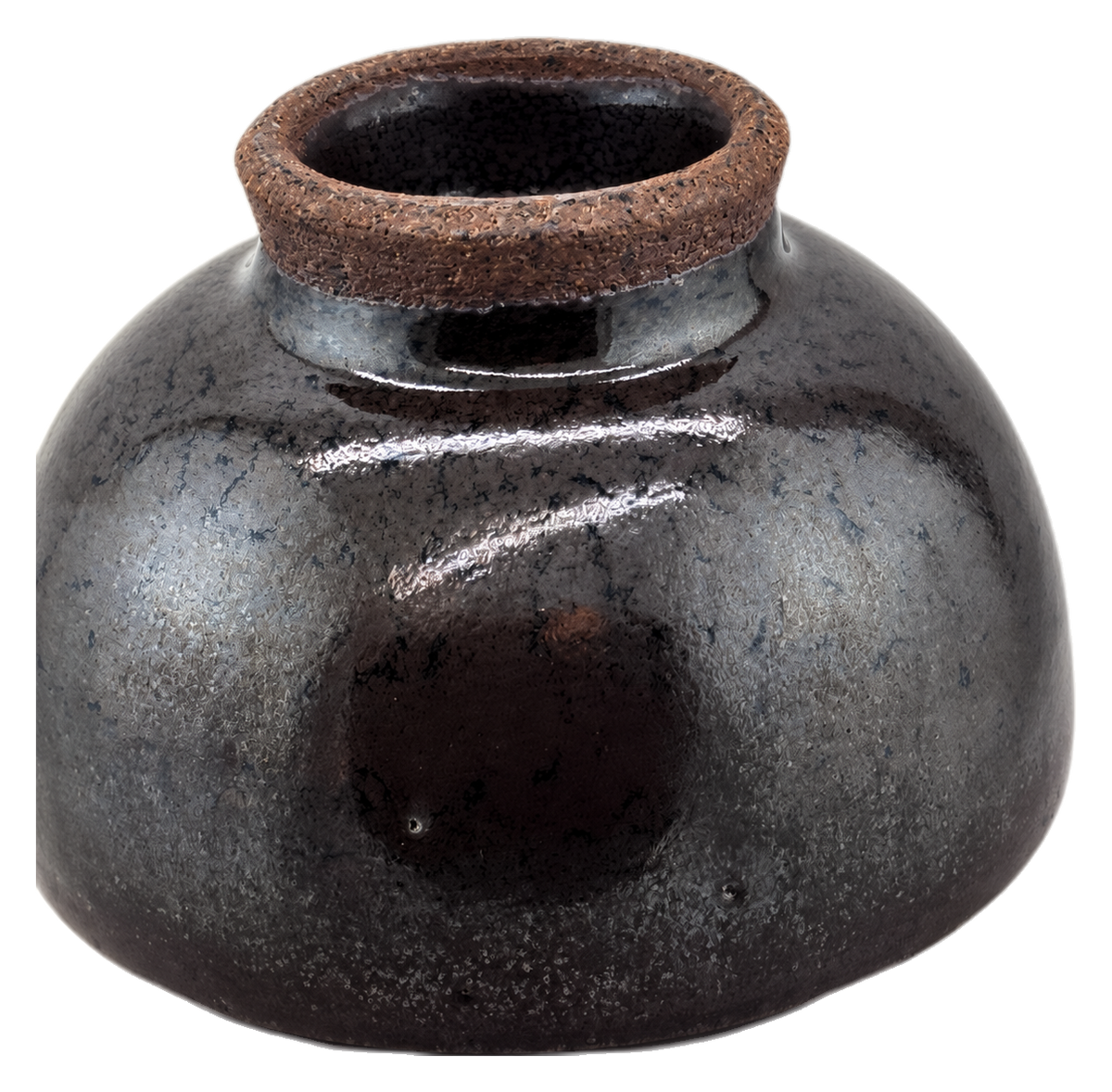
The Quiet Glow of Night – A Chawan in Deep Kuro-yū 黒釉Glaze: A First Look into the Darkness This chawan appears as if it has captured the night itself. Its surface displays a vibrant interplay of deep black and silvery, broken textures – an effect reminiscent of the finest Kuro-yū 黒釉 glazes. The shape is a clear, harmonious Wan-gata 碗形: gently rounded, opening wide, and crafted for quiet, focused moments with matcha. The rim is precisely defined, the walls even yet visibly hand-formed, while the unglazed Kodai 高台 reveals a rough, earthy texture. Glaze, Clay, and the Signature of Fire The crackle pattern (kannyū 貫入) covers the entire exterior like a web of frozen light. This structure can only form when the glaze and clay body cool at different rates during a reduction firing – a typical characteristic of high-quality studio pottery. The interior glaze is also smooth, dark, and reflective, so that the matcha later appears like a radiant spring within the black. The foot ring reveals a coarse, iron-rich clay body and a slightly irregular cut mark, suggesting small kilns and individual artisanal firings. Regional and Historical Context The combination of reduced Kuro-yū glaze, robust stoneware, and fine Kannyū texture points to workshops from Mashiko 益子 or Seto 瀬戸 – two regions known since the late Shōwa 昭和 to early Heisei 平成 period (c. 1970s–1990s) for experimental yet tradition-inspired black glazes. The rectangular stamp in the Kodai, clearly impressed and typically Japanese in proportion, supports its classification as a unique studio piece rather than mass-produced ware. A Vessel That Makes Matcha Shine In this dark depth, matcha takes on a special appearance: it looks greener, brighter, more vibrant. When whisked, the tea distributes evenly, as the walls are stable but not too steep. The Kodai provides a secure grip in both hands, while the balanced weight distribution makes whisking with the chasen easier. The glaze remains pleasantly tactile and warm – ideal for your personal matcha ritual. Product Specifications Product: Matcha BowlColor: Black, silvery Kannyū textureOrigin: Japan (Mashiko 益子 or Seto 瀬戸, probable classification)Tradition: Kuro-yū 黒釉, Shōwa–Heisei studio potteryMaterial: StonewareShape: Wan-gata 碗形Kodai: Coarsely cut, unglazedPackaging: Gift box This bowl is part of a tradition of tea enjoyment cultivated for generations.… Read more
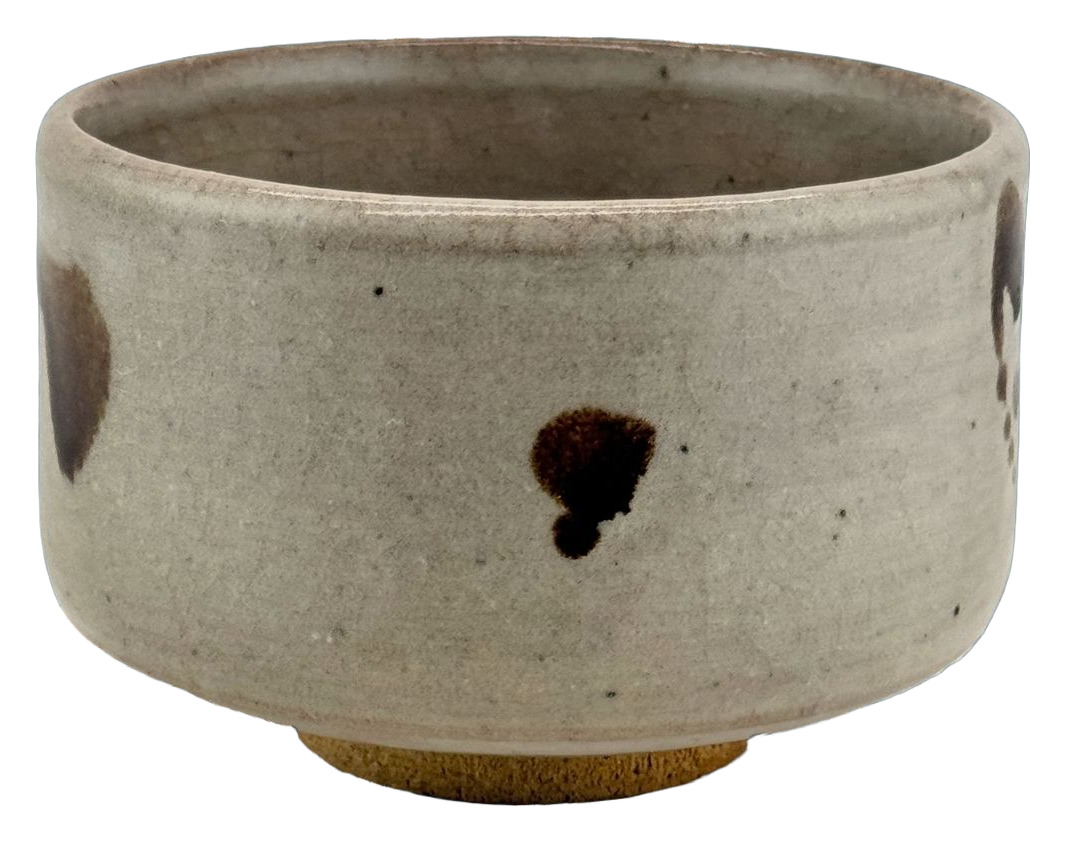
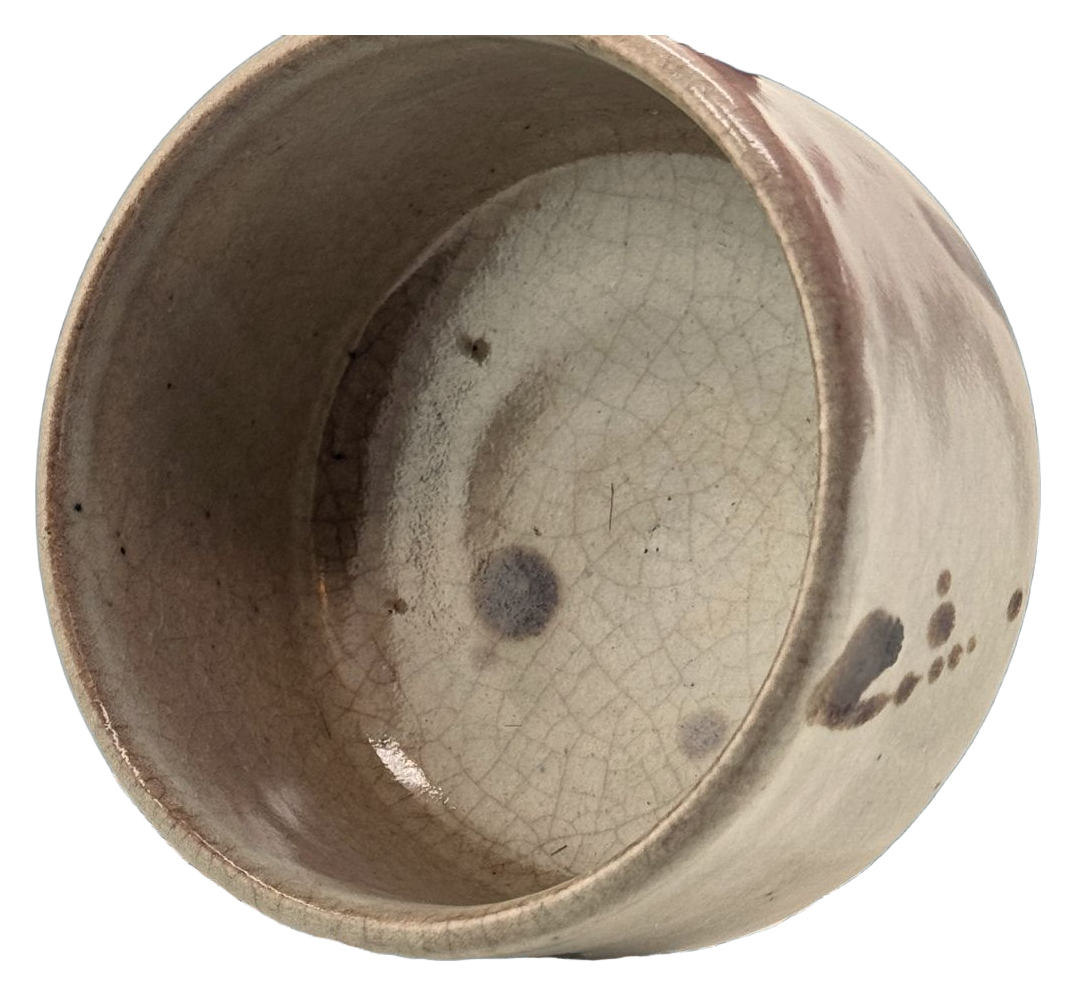

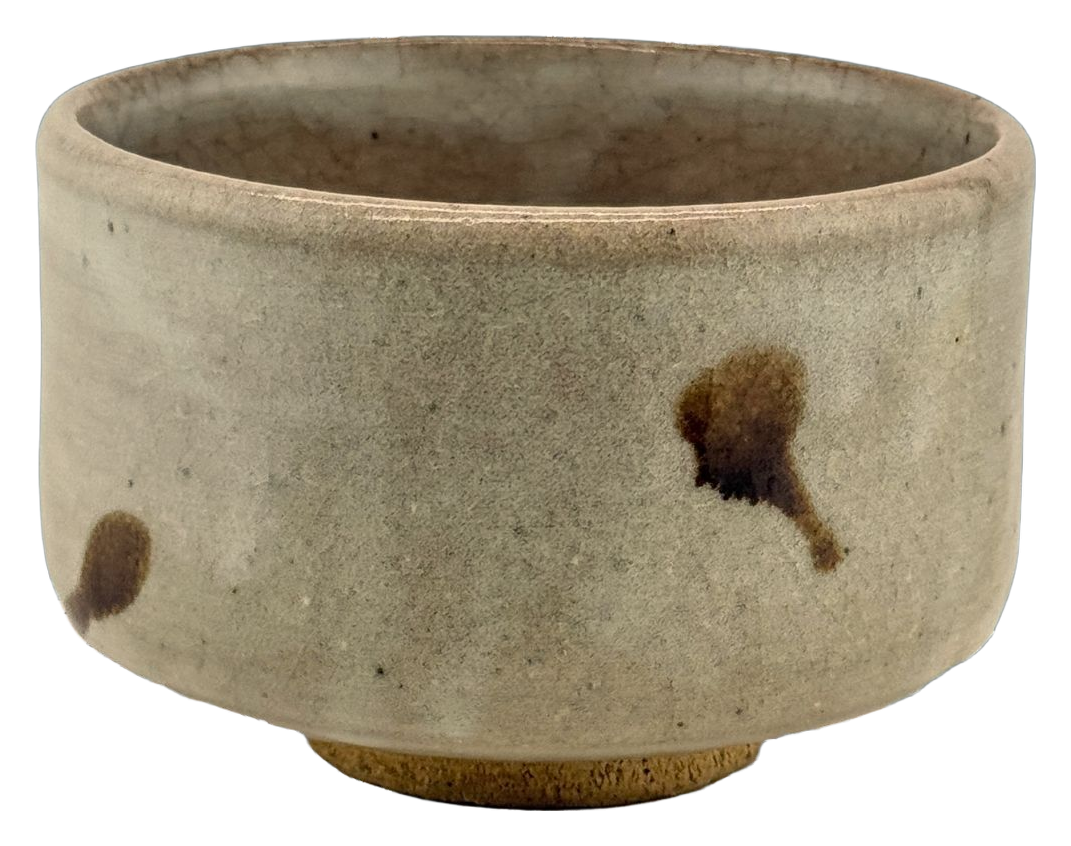
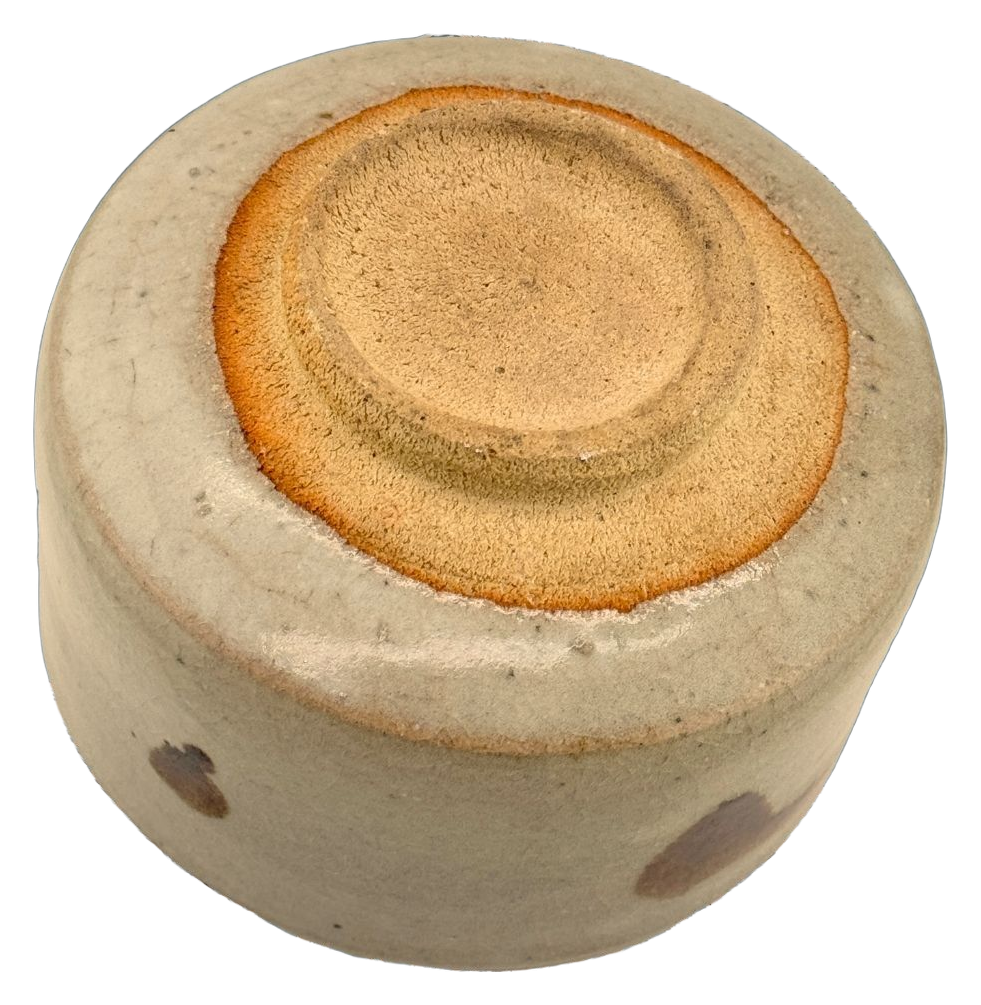
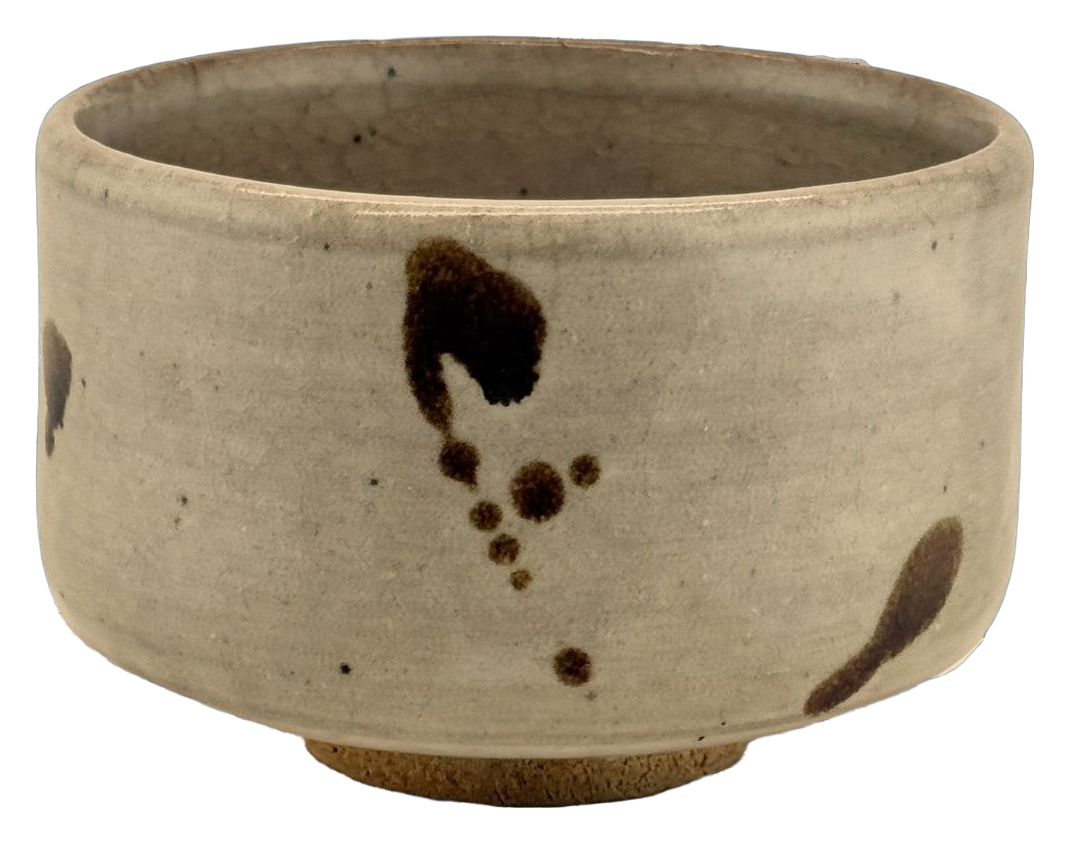


Wabi-Sabi in its Purest Form: A Hagi-Inspired Chawan Full of Stillness and Earthiness This Japanese tea bowl embodies the understated, almost meditative aesthetic typical of traditional Hagi ware. The body features a warm, grey-white base tone, crisscrossed by fine layers of transparent glaze that form a delicate Kannyū (貫入) crackle – a network of natural lines that evolves over time. The irregularly distributed dark brown “Goma” (胡麻) scorch marks on the surface are a testament to wood firing and lend the bowl its vibrant, spontaneous beauty. Form and Expression: A Chawan with Tsutsu-gata (筒形) Grace The form follows the Tsutsu-gata style: cylindrical, steady, and well-balanced, making it ideal for the colder months as it retains the warmth of the matcha particularly well. The walls are evenly formed, with a gently rounded rim – a pleasant point of contact that focuses attention on sensation and temperature during the matcha ceremony.The foot ring (Kōdai 高台) is simply crafted and deliberately left unglazed. Here, the kiln colors of the chimney are visible: a warm transition from light beige to delicate orange-brown. Origin and Ceramic Context: Stylistically Hagi-yaki (萩焼) Although the bowl bears no stamp, it displays the distinct characteristics of classic Hagi workshops: - the characteristic soft crackle of Milky-White Hagi glazes - spontaneous Goma marks from the wood fire - a slightly sandy clay body - a simple, functional foot These qualities place the bowl within the Hagi tradition of Yamaguchi Prefecture, where tea bowls with a deliberately understated aesthetic have been crafted for centuries.The absence of a signature is by no means unusual in this region: Many smaller family workshops or anonymous Mingei (民芸) potters fired unmarked pieces that are valued precisely for their functional purity. The Moment of Matcha: Warmth, Stillness, and Naturalness During the tea ceremony, this chawan reveals its full presence. The Kannyū gives the surface a warm appearance, the glaze feels soft to the touch, and the even interior provides ideal conditions for creating a stable froth when whisking the matcha.The muted earth tones do not distract the eye – they allow the green of the matcha to shine and support the quiet character of the ritual. The Aesthetic of a Unique Piece: Fire, Chance, and Stillness The delicate traces of firing, the warm shades, and the irregular Goma marks give this bowl its characteristic wabi-sabi appeal: beauty in imperfection, character in chance.With its calm appearance, it is wonderfully suited for tea drinkers who experience matcha as a moment of mindfulness. Properties Product: Matcha bowl (Chawan)Color: Grey-white with Goma scorch marks, subtle kiln colorsOrigin: Japan, stylistically Hagi-yaki (萩焼), Yamaguchi PrefectureTradition: Hagi ware / Mingei influenceMaterial: Stoneware, feldspathic glaze, Kannyū crackleForm: Cylindrical chawan, Tsutsu-gata (筒形) styleKodai: Unglazed, warm-fired, classic Hagi footPackaging: Dimensions: This bowl belongs to a tradition of tea drinking that has been cherished for generations.… Read more

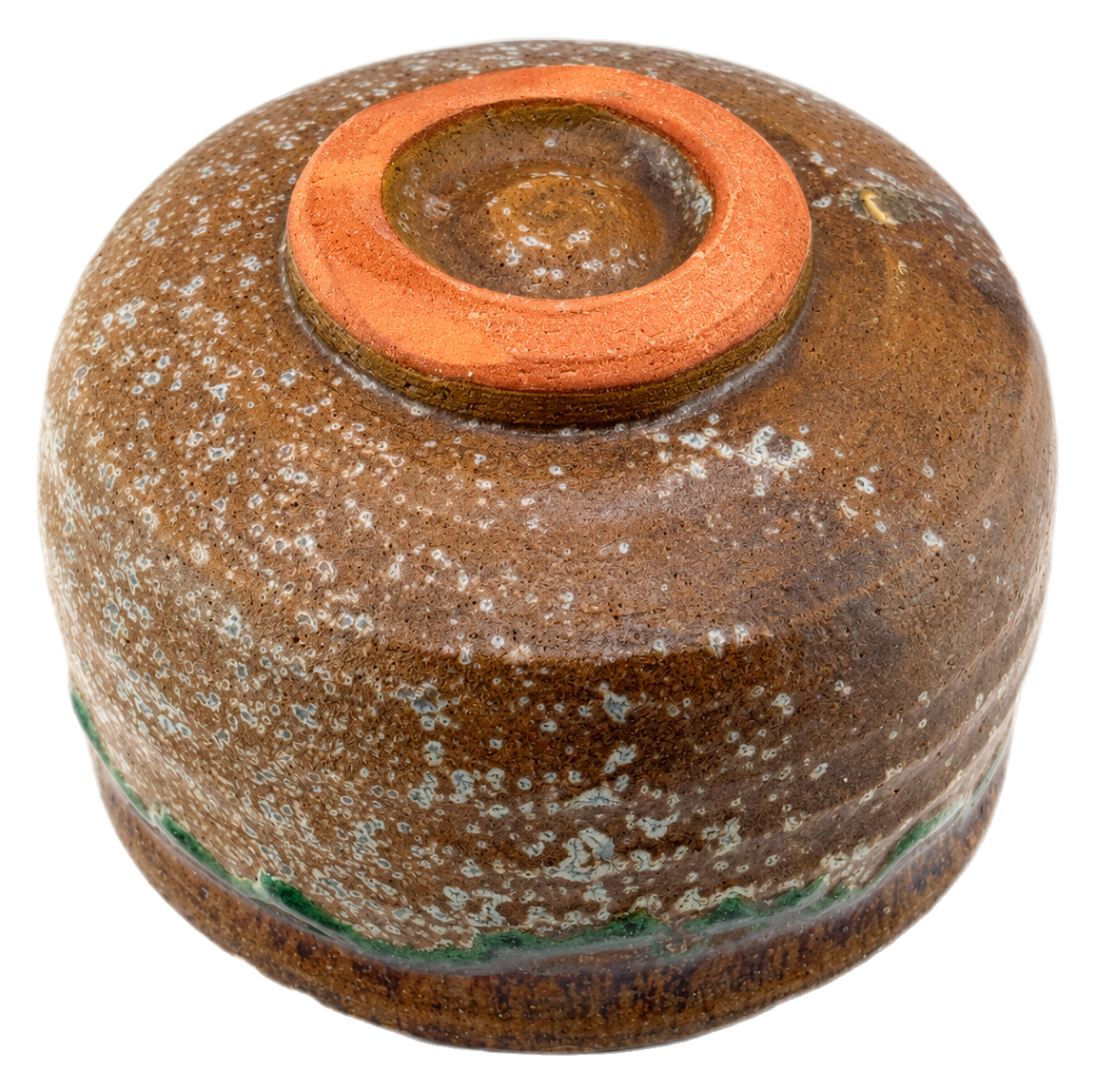


A Vessel Full of Earthiness and Vibrant Glaze Movement This handcrafted matcha bowl from Japan combines the natural ruggedness of traditional Mino clay with a warm, earthy brown surface framed by a boldly flowing green glaze. The glaze forms an organic line that dances along the bowl like a quiet landscape boundary—a moment where fire, clay, and craftsmanship visibly merge. An Aesthetic Between Tradition and Nature The body of the bowl displays the characteristic rustic grain of iron-rich clay, finely speckled and slightly irregular, giving the surface a fascinating depth. The form is stable, harmoniously balanced, and comfortable in the hand. The green glaze band recalls Oribe traditions, while the quiet earthiness clearly draws on Shigaraki influences—a combination that makes the character of the piece feel particularly vibrant. In the Everyday Practice of Tea When whisking matcha, the round, open form creates a fine, dense foam. The clay retains heat exceptionally well, ensuring that the tea remains gently and consistently tempered. The slightly irregular walls enhance the tactile experience and connect you directly to the potter's hand. Material & Composition The bold texture, fine inclusions, and natural unglazed foot ring reflect its origin in a Japanese studio workshop. The foot is clearly turned, unglazed, and warm in its terracotta color—a beautiful contrast to the earthy glaze of the body. Each bowl is unique and visibly bears the traces of its creation. Origin The clay color, glaze structure, and formal appearance strongly suggest the Mino region (Gifu) as well as modern workshops that work with traditional wood-firing techniques. Characteristics Product: Matcha BowlColor: Earthy brown with vibrant green glaze movementOrigin: Likely Mino region (Gifu, Japan)Tradition: Mino-yaki / Oribe influencesDimensions: Ø 12 cm × Height 8 cm / Foot: Ø 5.5 cm × Height 1 cm Weight: 330 gMaterial: Coarsely grogged ceramicForm: Slightly cylindrical chawan form between Wa-nari & Dojimari-gataPackaging: Gift box A bowl with a palpable earthiness—created for matcha moments that are quiet, natural, and entirely yours. This bowl belongs to a tradition of tea enjoyment that has been carefully nurtured for generations.… Read more
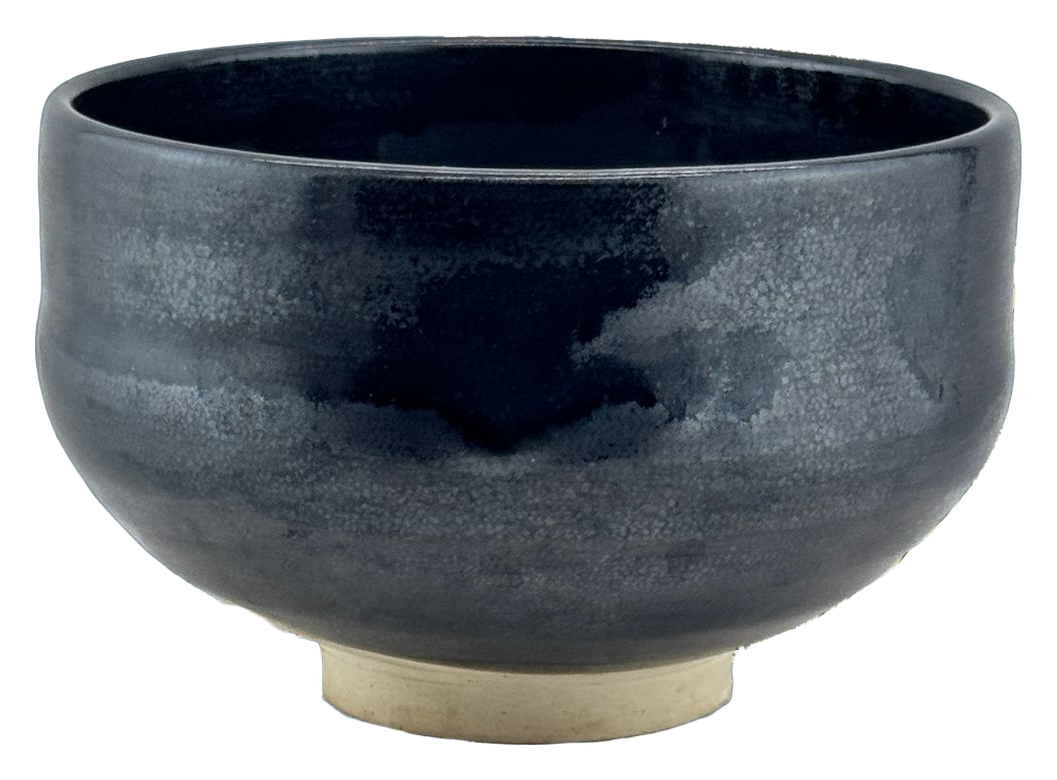
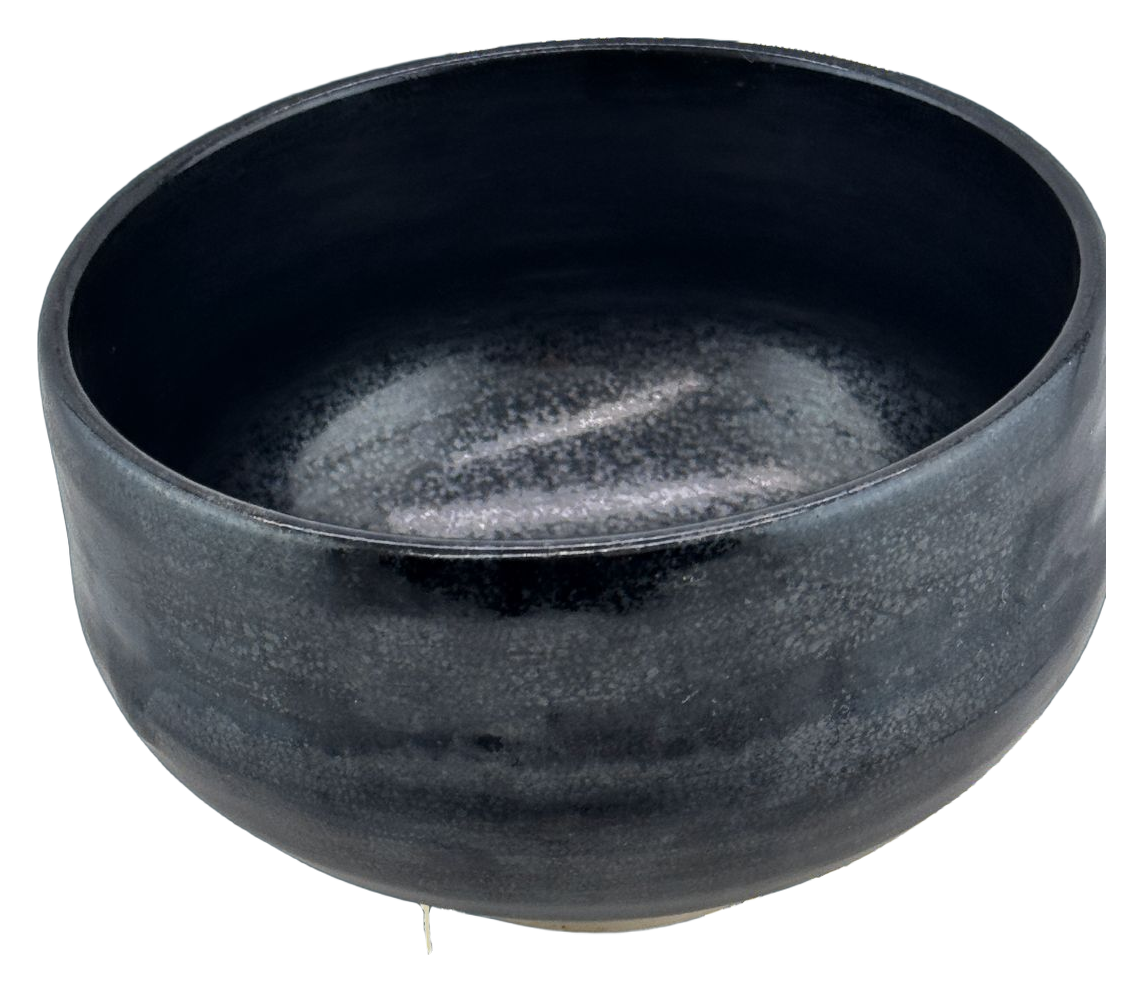
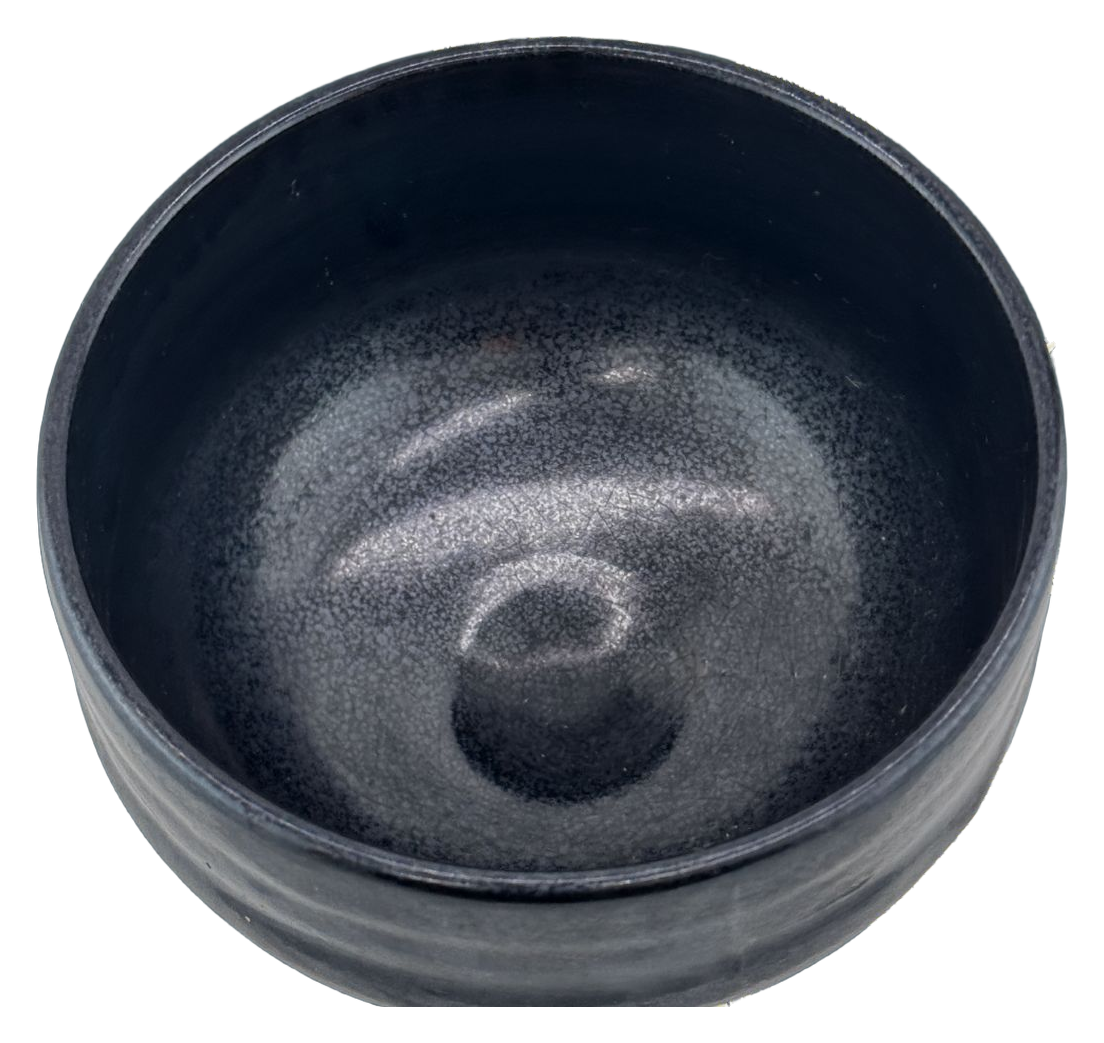
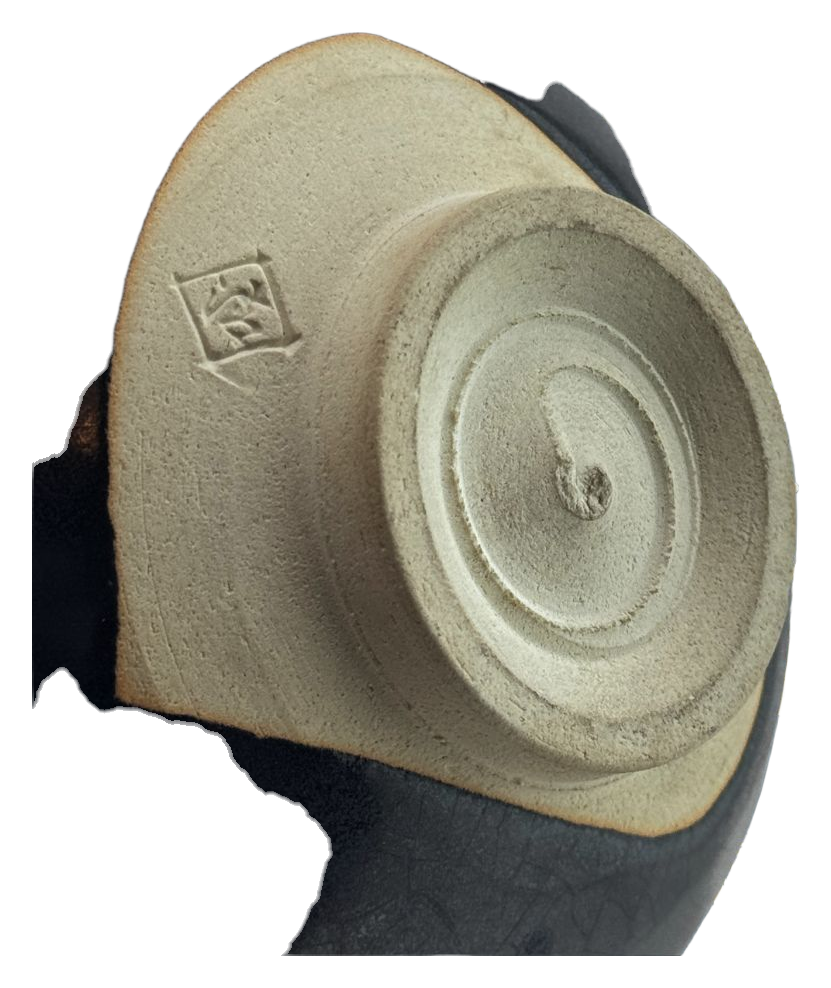


A bowl that gives form to silence This Japanese matcha bowl combines the tranquility of traditional tea ways with a modern, almost mysterious aesthetic. Its deep black glaze opens into delicate misty textures that flow over the clay like sumi ink – a play of shadow and shine that unfolds particularly impressively in the tea ritual. Craftsmanship from a ceramic region with history The light, fine-grained clay body and the precisely crafted foot reveal its origin from one of the famous ceramic regions of central Japan. The clear lines follow the Japanese understanding of simplicity and elegance, while the iridescent surface deliberately remains organic and gives the bowl its unique depth. A companion for moments of matcha When whisked, a beautiful contrast emerges between the emerald green foam and the dark glaze. The wide shape facilitates the movement of the chasen, while the pleasantly balanced body sits stably in the hand. Every detail is designed to intuitively accompany your tea way. Specifications Product: Matcha bowlColor: Black, misty gray Glaze: dark Tenmoku/Nuka-inspired glazeOrigin: Japan (Gifu/Mino region, studio pottery)Tradition: Contemporary Mingei-inspired workDimensions: 11.5 cm diameter × 7.5 cm height, foot 5 cm diameter × 0.7 cm height Weight: 260 gMaterial: CeramicShape: Wan-gata (椀形)Packaging: Gift box This chawan is perfect for anyone who loves modern Japanese ceramics with clear lines, depth, and artisanal quality. A piece full of character – created for your matcha moment. This bowl stands in a tradition of tea enjoyment cultivated for generations.… Read more
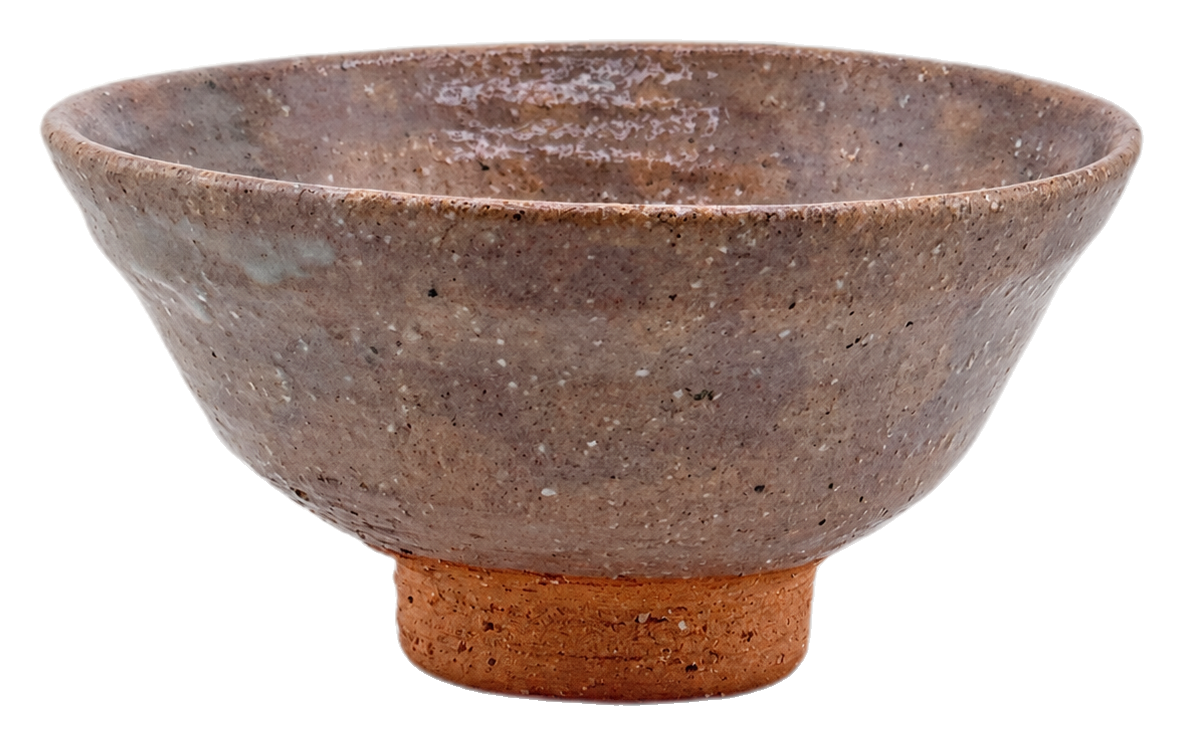
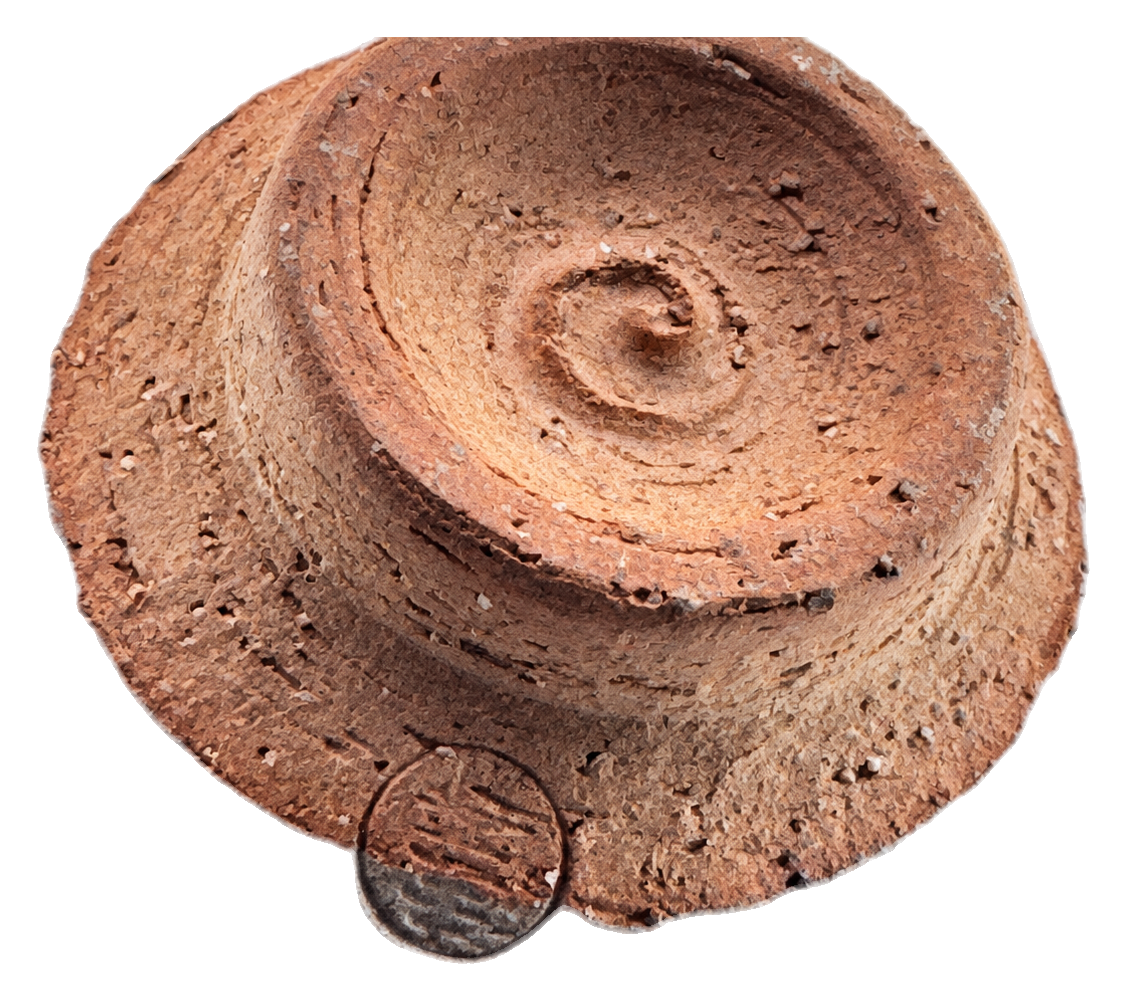
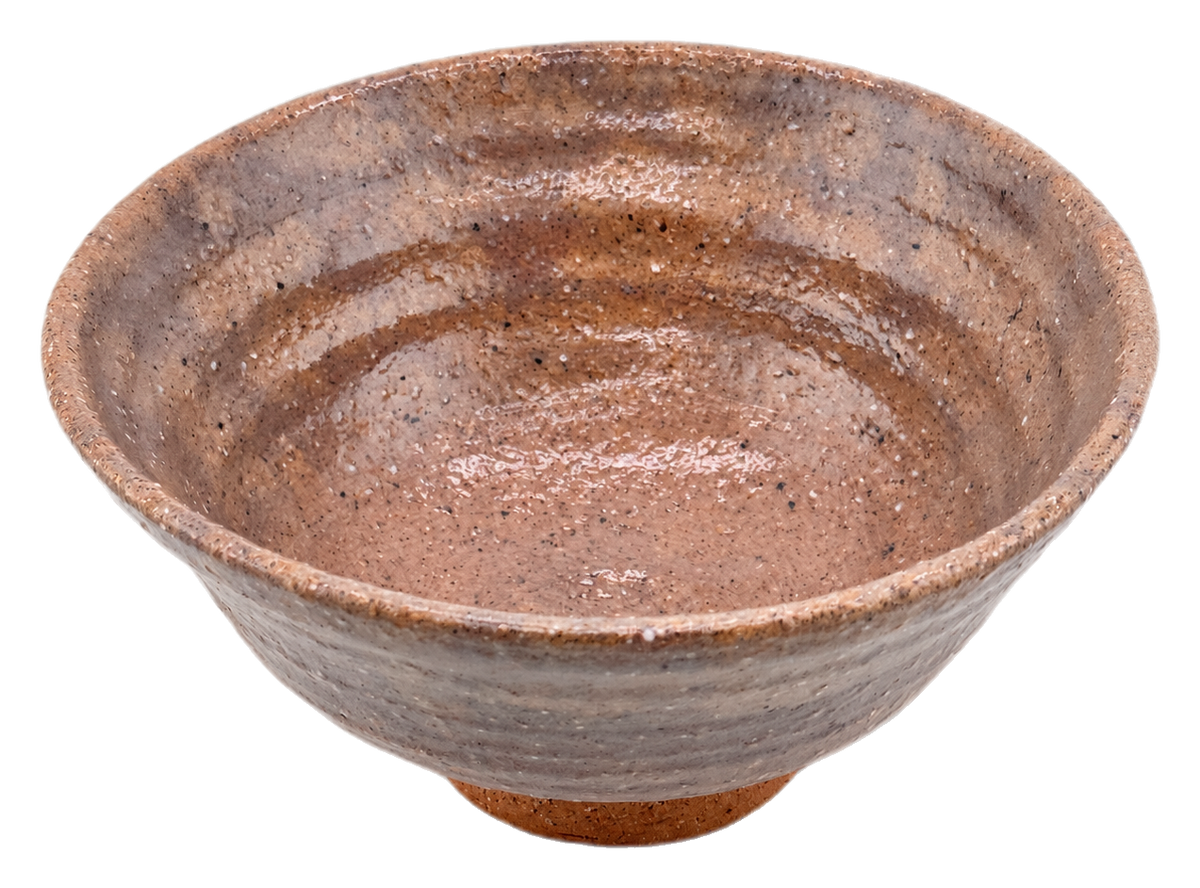
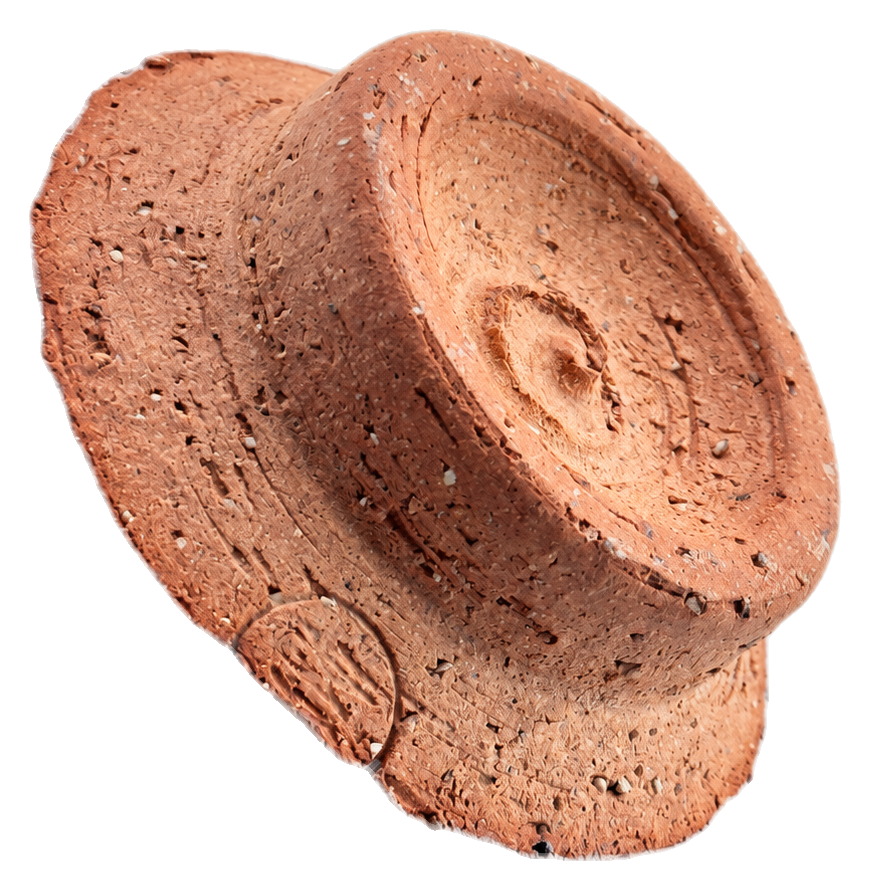

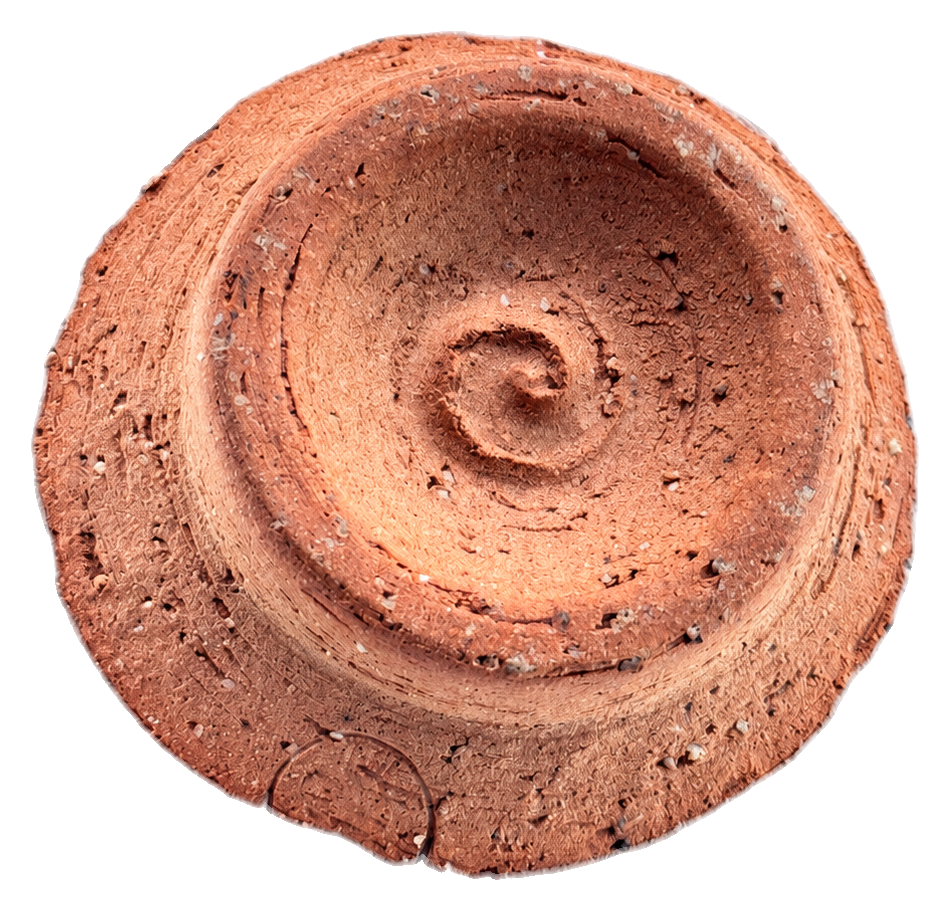

Handcrafted Yakishime Tea Bowl from Japan: A Bowl That Grounds the Moment This tea bowl carries the calm, natural aura of traditional Japanese ceramics. Its warm grey-red hue evokes cooled kiln fire and earth after rain—a play of color that only handcrafted studio pottery can produce. When you hold it, you immediately feel that special balance of weight, texture, and stillness that makes tea ceremonies so unique. Fire, Clay, and Hand—a Dialogue of Elements The mineral-rich clay, with its visible inclusions, gives the bowl its rustic character. The slightly flared rim draws on the form language of classic Hatazori-gata bowls, making it a harmonious vessel for matcha and green tea. The surface shows subtle traces of the potter's wheel and a natural glaze that distributed itself uniquely yet harmoniously during firing. These marks give it personality—nothing feels perfectly smooth or industrial. A Quiet Artist's Greeting On the foot, you will find a small, circular stamp, likely a hand-pressed Kanji from a workshop in the Shiga region. For centuries, robust, vibrant bowls in the Yakishime or natural ash firing style have been produced there. The stamp is not a decorative element, but a true signature—a sign that this bowl did not come from a factory, but from the hands of a ceramic master who understands their craft. For Tea That Brings You Back to Stillness The contrast between the natural, earthy surface and the intense green of matcha unfolds particularly beautifully in this bowl. It retains heat reliably and rests balanced in the hand—perfect for quiet tea moments, morning rituals, or meditative preparation. This bowl does not just accompany you while drinking; it creates a space in which everyday life becomes still for a moment. Specifications Product: Matcha Bowl / ChawanColor: Earthy grey-red, natural ash effectsOrigin: Japan, presumably Shiga region (studio pottery)Tradition: Yakishime / natural ash firingForm: Hatazori-gataArtist's stamp: Hand-pressed Kanji "里…"Packaging: Gift box Dimensions: 13 cm diameter × 6.5 cm height | Foot 5 cm diameter × 1.3 cm height Weight: 210 g Care Instructions Clean the Chawan exclusively with clear, lukewarm water. Please do not use cleaning agents. Allow to dry completely after cleaning and protect from temperature shocks. This will keep the glaze beautiful and vibrant for many years. This bowl represents a tradition of tea enjoyment that has been carefully maintained for generations.… Read more

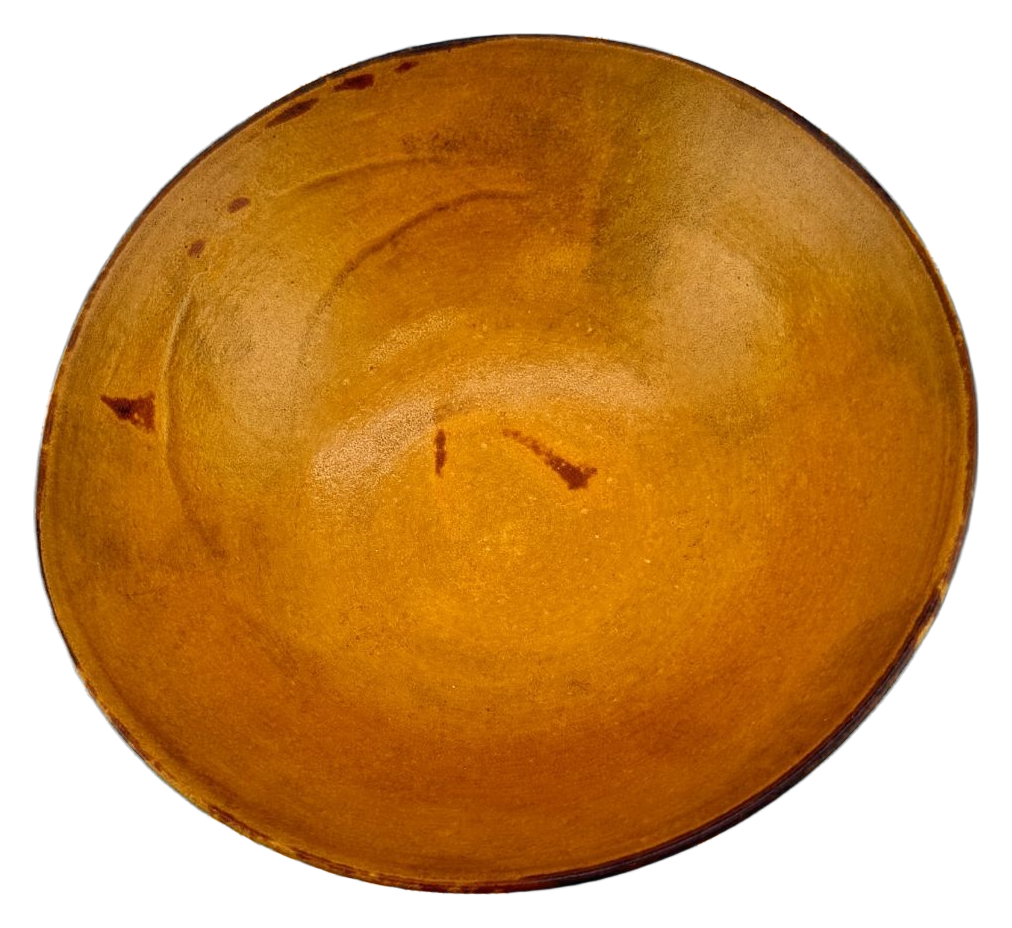


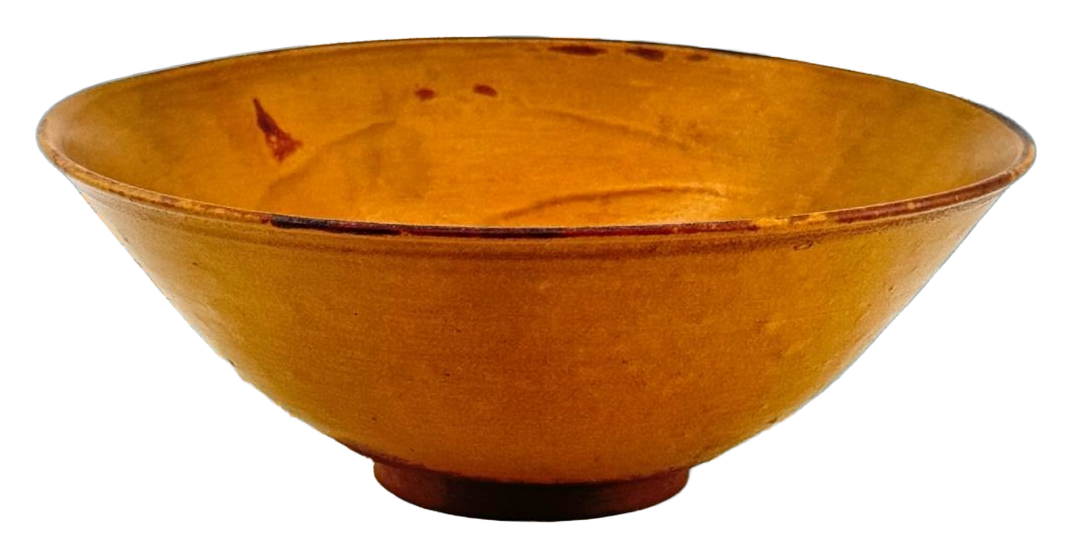


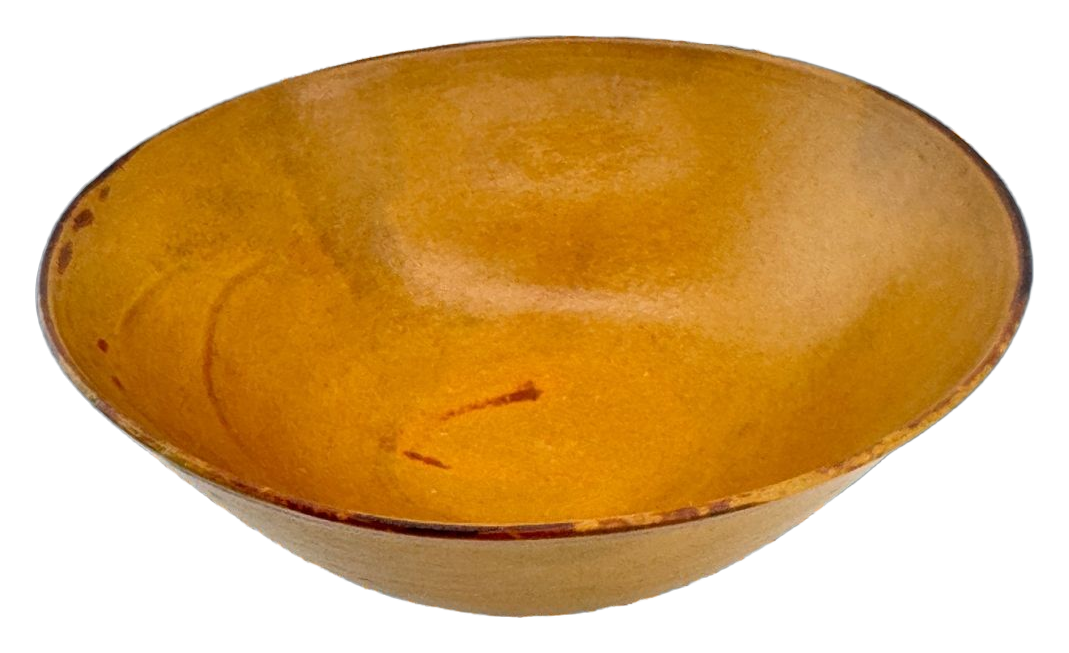


At first glance, this chawan exudes an aura of tranquility. The matte, warm gold that defines its surface evokes the moment just after sunrise—when the light is still soft and the day slowly unfolds. Its form seems to pay homage to classic Japanese aesthetics: wide-open, gently tapering, slightly asymmetrical, and full of natural tension. It follows the spirit of a hira-gata (平形)-inspired silhouette, but with higher walls—an open, clear form that gives your matcha plenty of room. The Inner Glow—Glaze That Tells a Story When you look into the bowl, its interior appears like a gentle spiral of amber, honey, and delicate reddish traces. The glaze is transparent enough to reveal the potter's throwing rings, yet dense enough to create a warm field of color. The small, dark red specks look like random marks left by the fire—the kind of unpredictability that makes Japanese ceramics so vibrant.Nothing feels artificial or loud. Everything remains understated, shibui (渋い)—the art of the unobtrusive. A Foot Like a Silent Rock—Kodai, Form, and Fire-Drawing The foot ring appears precisely cut, clearly defined, and unglazed, making the reddish, earthy clay particularly visible. The area around the kodai shows a triangle of melted glaze that separates from the upper body of the bowl. Such "flow edges" are created when the glaze is gently drawn toward the fire side at the bowl's apex—an effect that potters deliberately allow.Traces of small brushstrokes and subtle firing discolorations around the rim suggest that this may be a piece from a smaller workshop or studio kiln. There is no visible stamp or classic kanji seal on this bowl—it lives through form, color, and firing, not through a signature. The Moment with It—Why It Changes Your Tea This matcha bowl is not a vessel that demands attention. It invites you to become quieter. When you whisk matcha tea, the vibrant green settles in the bowl like a leaf in the autumn light. The contrast between the warm golden tone and the rich matcha green feels harmonious, almost poetic.If you love drinking matcha—whether matcha from Japan or matcha from Germany—this bowl will quickly become a daily companion. It feels stable and light, yet full of depth. Perfect for quiet mornings, for small rituals, for moments of reflection. A Delight to the Hands for Quiet Moments—Special Features You can immediately feel that it was shaped by hand: the slight asymmetry of the rim, the gently sloping walls, the subtle variations in glaze thickness. Nothing is too perfect.The bowl rests comfortably and lightly in the hands, yet does not feel fragile—a piece that becomes more personal with every use. The honey-colored transitions, the delicate fire edges, and its soft, matte texture give it a character that feels familiar the moment you hold it. Product: Matcha BowlColor: Gold, honey, subtle red nuancesOrigin: Japanese studio workTradition: Hira-gata inspired, shibui (渋い) aestheticMaterial: Ceramic, smooth surfaceForm: Open, wide-flaredKodai: Precisely cut, unglazedPackaging: Gift box This bowl belongs to a tradition of tea enjoyment that has been carefully cultivated for generations.… Read more
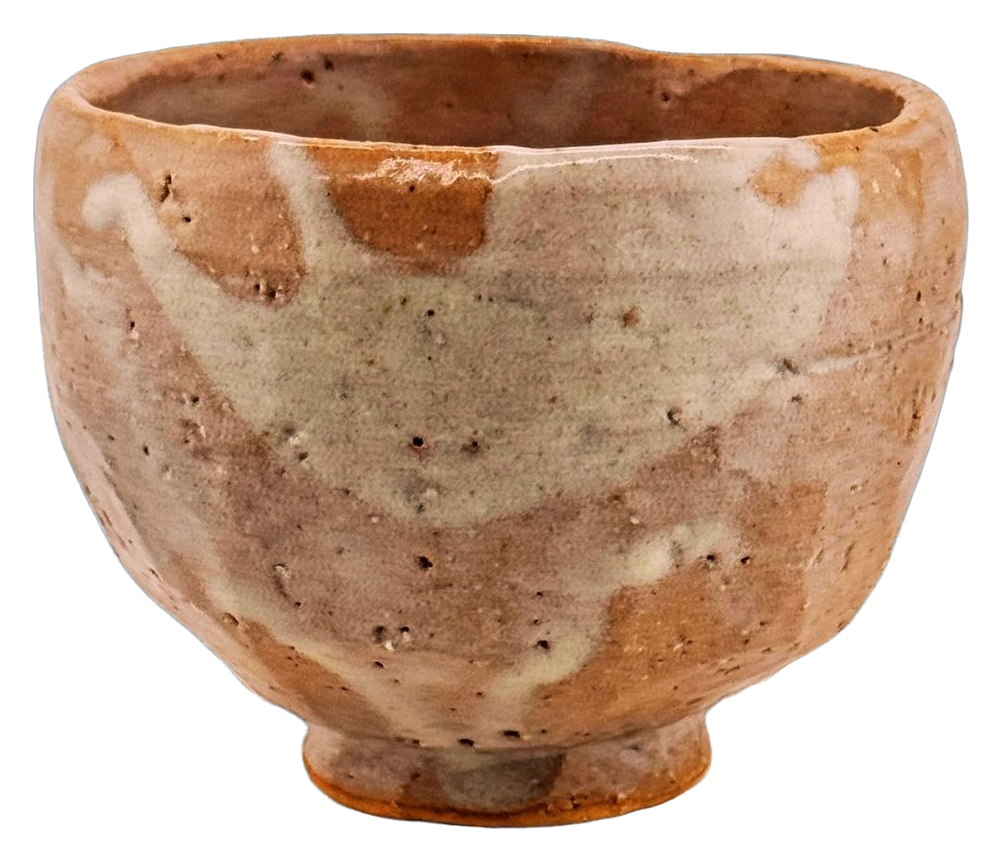
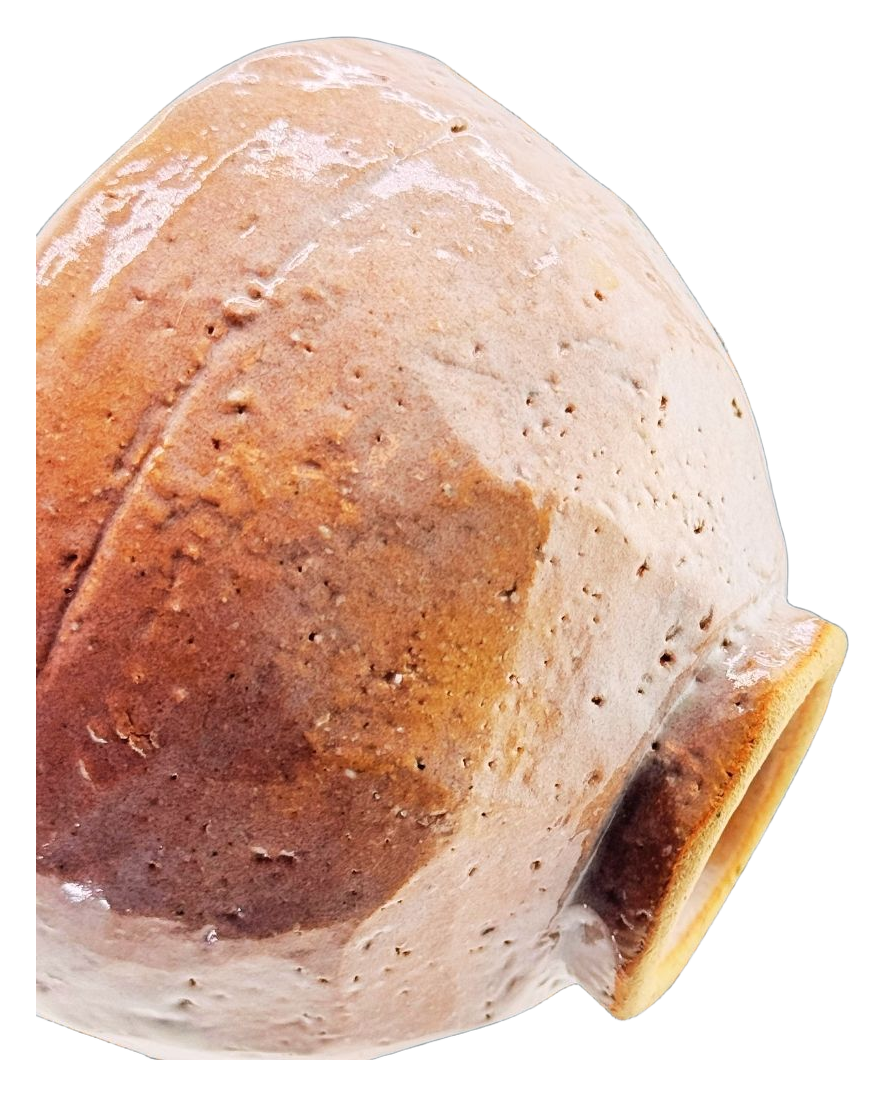
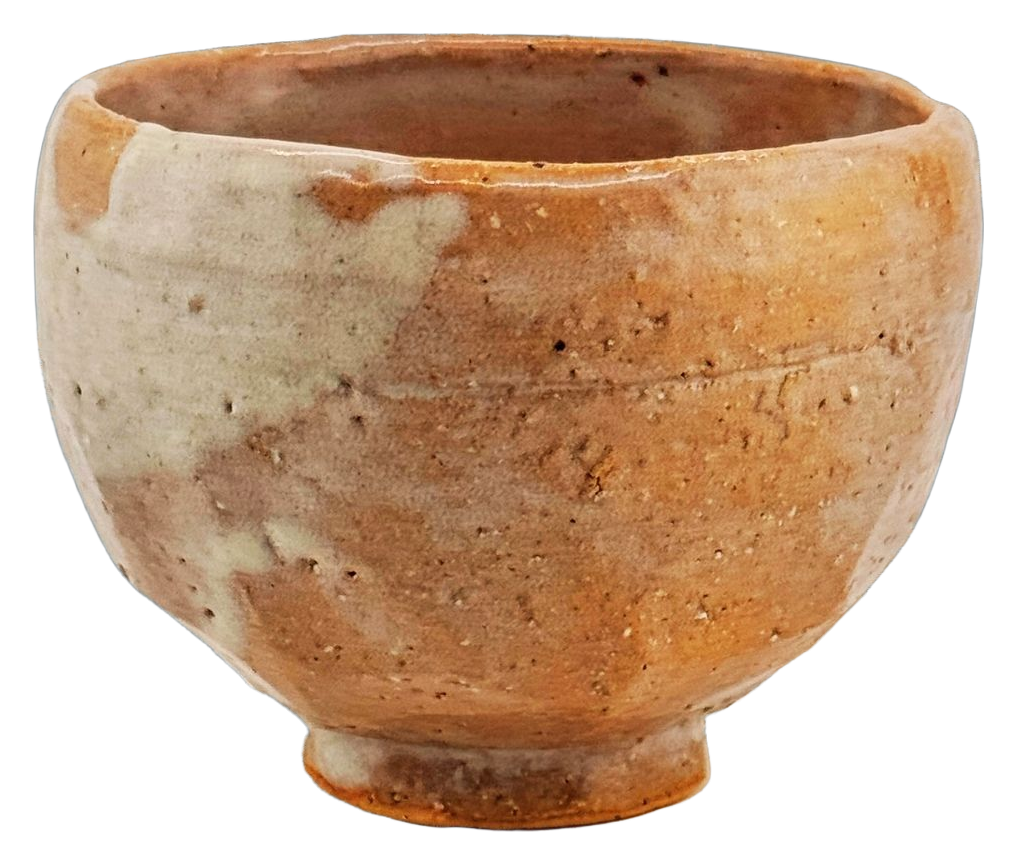

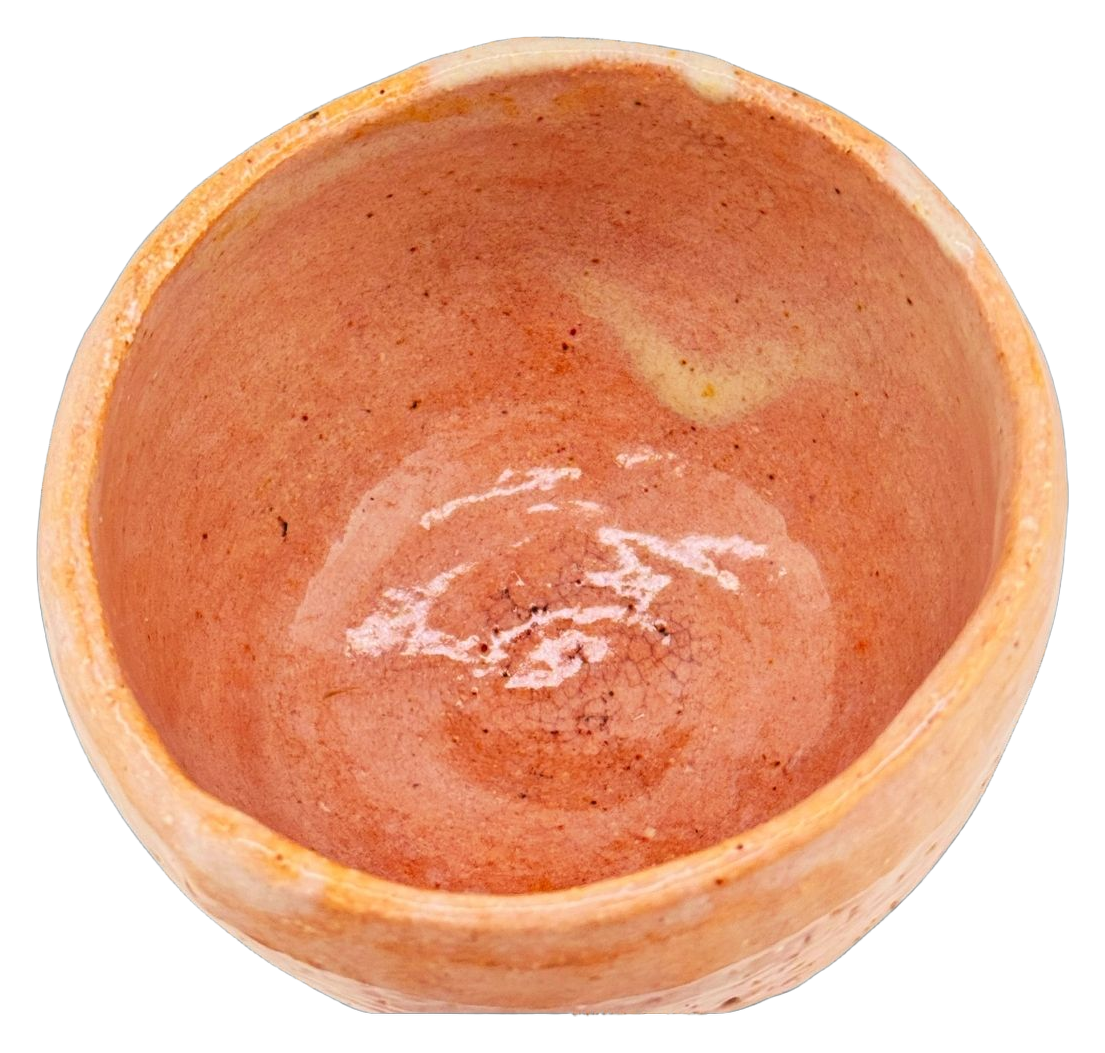


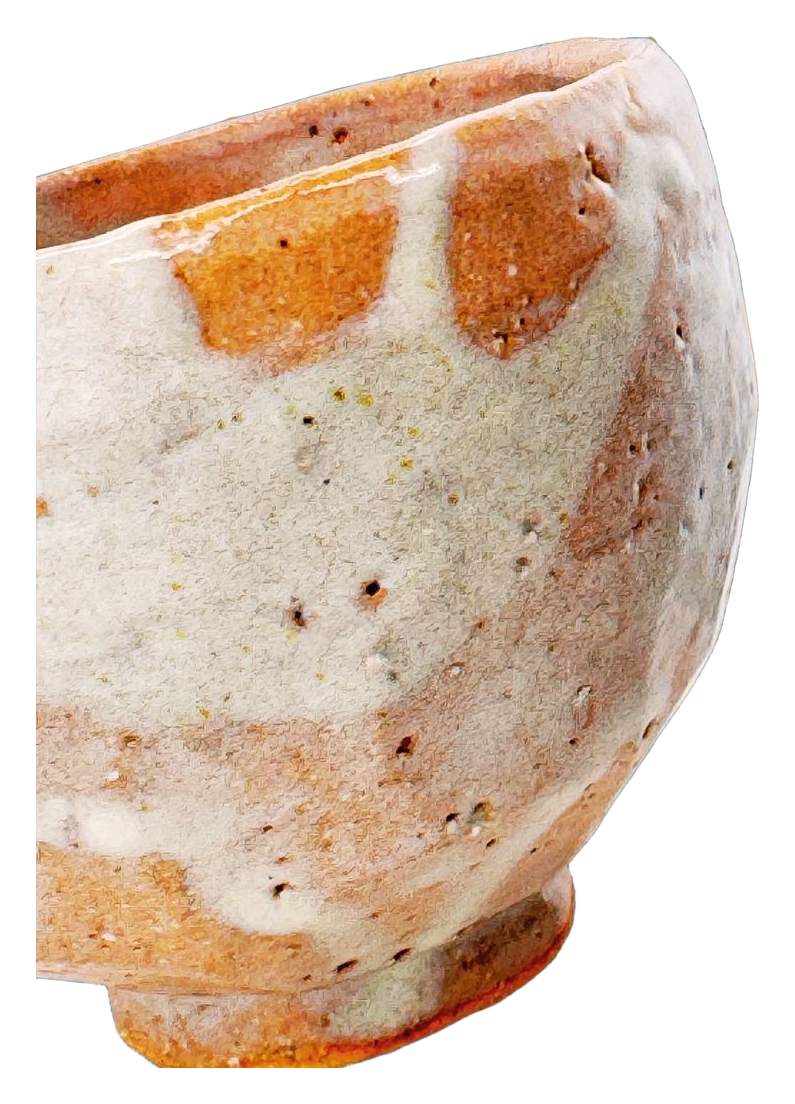

When Fire Leaves Its Mark – A Chawan Like a Quiet Sunrise This matcha bowl looks as though it has absorbed the light of an entire day. Its warm, vibrant surface features a play of orange, ochre, and soft cream – a color palette that can only be created in a traditional wood-fired kiln. The open pores, small fire marks, and cloudy ash deposits suggest a natural 灰被 (Hai-kaburi) ash glaze. The clay appears not merely shaped, but marked by fire. It is precisely this blend of ruggedness and poetry that makes wood-fired ceramics so highly prized. A Form That Grows from the Hand The slightly irregular curve, the open, deliberately asymmetrical rim, and the compact, modeled foot clearly indicate a chawan in 椀形 (Wan-nari) form. It sits securely in the hand, feeling organic and soft without losing its presence. The kodai is not perfectly cut, but shaped – a sign that the bowl was not industrially produced, but formed fluidly and freely. At the foot, slight traces of the throwing process are visible, partially softened by the wood firing. The Signature – A Personal Mark A clearly impressed signature is visible on the foot. The brushstroke appears expressive and individual, not like a mass-produced stamp. Such marks are found on the work of Japanese studio artists who deliberately work between modern freedom and traditional craftsmanship. This chawan is unmistakably a signed unique piece, bearing the potter’s handwriting like a small story known only to him and the bowl. Warmth That Flows into the Hands Inside, your chawan reveals a soft, lustrous orange with fine 貫入 (Kannyū) – delicate, natural crazing typical of wood-fired ceramics. When you whisk matcha in it, the surface catches the light, making the green color appear particularly vivid. The curve guides the chasen without resistance. Every movement feels calm and natural. This bowl does not merely invite you to drink matcha – it creates an atmosphere that slows you down. Features You Can See and Feel The ash deposits, the flowing glaze, the open pores, the interplay of matte and lustrous areas – all of this can only be achieved in a wood firing, not in a gas or electric kiln. Your bowl is as rugged as earth, as warm as terracotta, and as vibrant as if shaped by fire. It is not decorated ceramic, but a piece of living craftsmanship. A true wabi-sabi vessel. Why This Chawan Is Perfect for Matcha The generous Wan-nari form, the organic interior curve, and the warm color palette make it ideal for matcha tea and your ritual. Green matcha appears particularly vivid in this bowl. The form makes whisking easier, the clay maintains a pleasantly consistent temperature, and the sensation of drinking connects you with the moment. Whether you want to buy matcha, drink matcha, or find a new matcha bowl – this vessel adds depth to every sip. Product: Matcha Bowl (Chawan 茶碗)Color: Natural Tones in Orange, Ochre, Cream; Ash GlazeOrigin: Japanese Studio Ceramics, Signed Unique PieceTradition: Wood Firing, Wabi-Sabi, Wan-Nari 椀形Material: Stoneware, Partially Naturally Glazed (灰被 Hai-Kaburi)Form: Wan-Nari Chawan, Organic RimKodai: Hand-Modeled, SignedPackaging: Gift Box This bowl belongs to a tradition of tea enjoyment that has been carefully nurtured for generations.… Read more
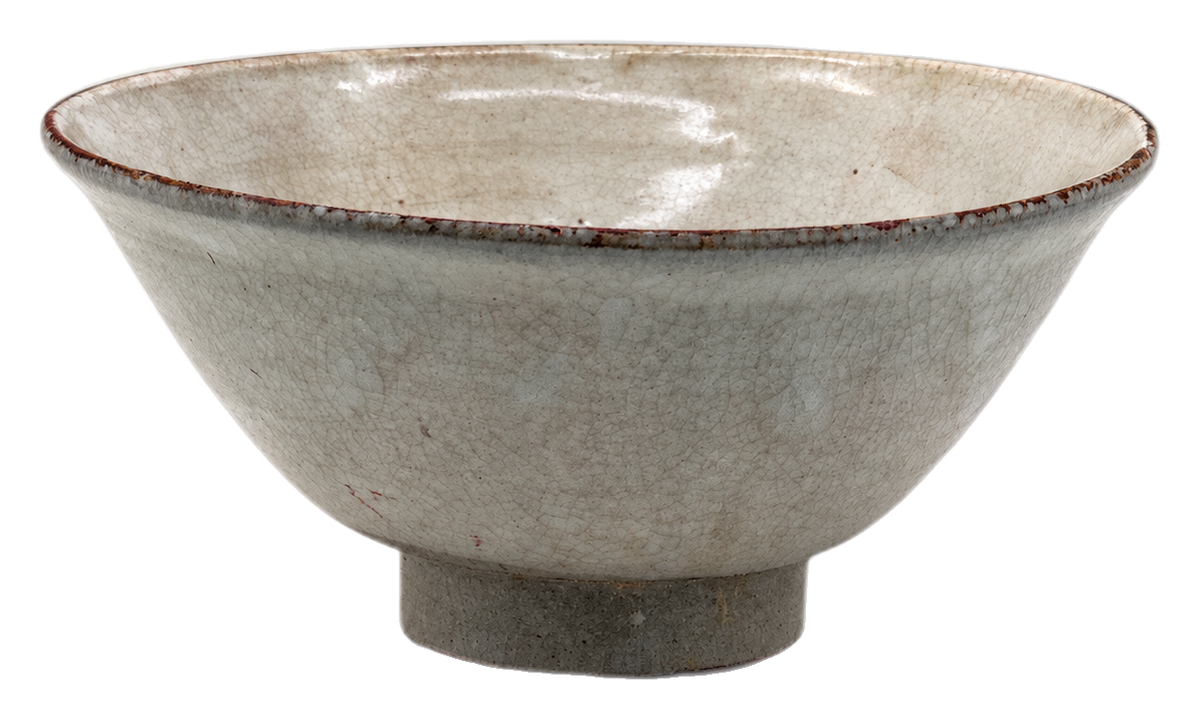


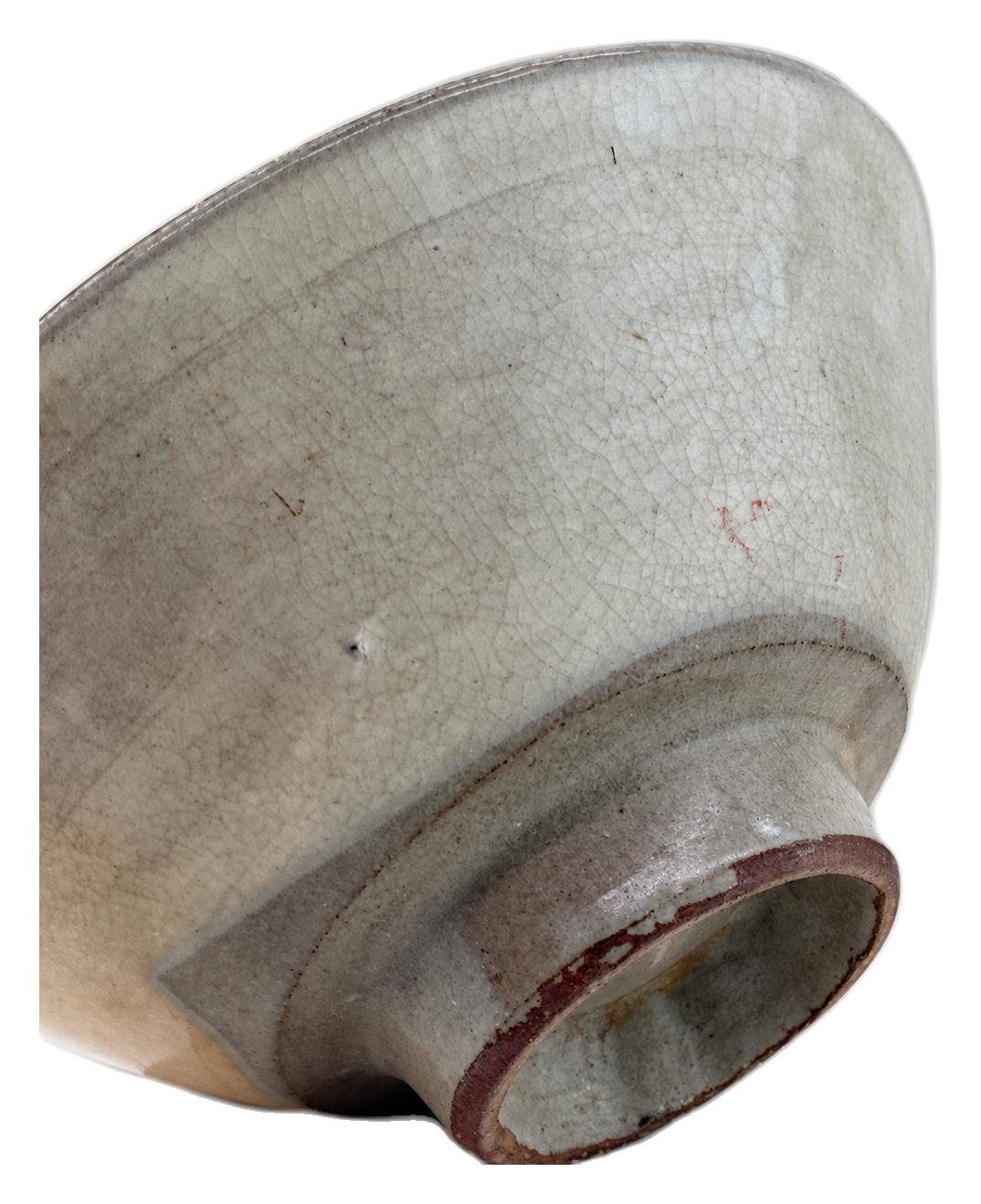


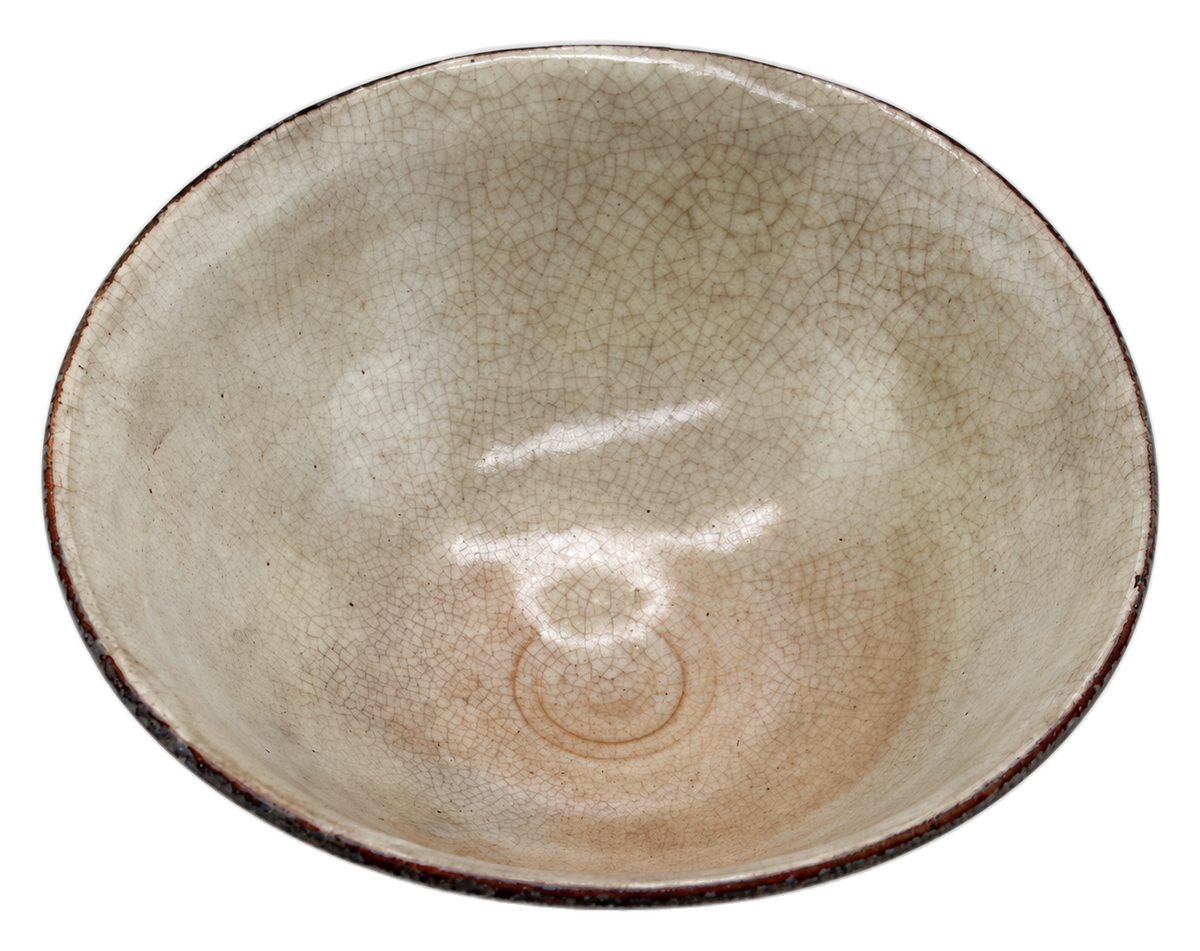
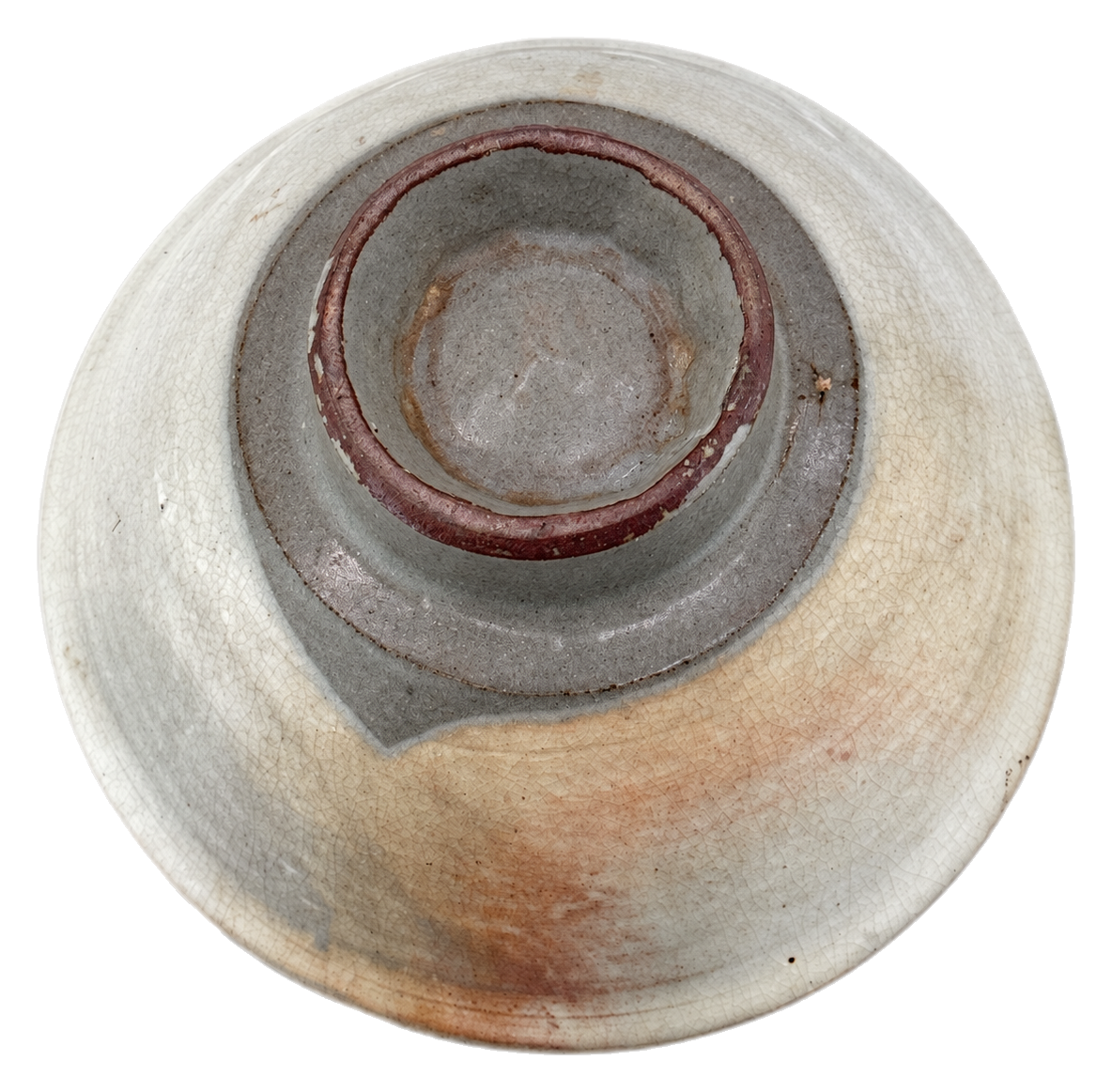
A Bowl That Holds the Light of Japan In the moment of preparing matcha, this wide-flaring tea bowl reveals a presence that is both quiet and expressive. Its form is inspired by the traditional Asahi-gata 朝日形, an open, light-gathering silhouette that has been prized in the tea ceremony for centuries for its clear sense of space. Its lines appear almost suspended—a subtle echo of the classic aesthetics of Japan’s Mino and Seto regions (美濃焼 / 瀬戸焼). Kohiki Appearance with Vibrant Crackle Its pale body is covered in a glaze reminiscent of Kohiki 粉引: a soft, slightly creamy hue suffused with a fine Kan’nyū 貫入 crackle. This network of micro-cracks is deliberately created during firing and develops over time into the distinctive patina so highly prized by connoisseurs. When enjoying tea, the surface diffuses the light softly, giving it an almost paper-like depth. Flames from the Kiln—a Gift of Chance In some areas, warm shades from ochre to rose glow through, created by Yōhen 窯変, the natural transformations caused by the kiln fire that ensure no two pieces are alike. These fiery variations follow the tradition of Shino-yaki 志野焼, a style perfected in Gifu since the 16th century and renowned for its soft color gradations and organic naturalness. A Vessel That Invites the Hands When enjoying tea, the bowl rests comfortably and lightly in the hands. The interior is rounded and harmoniously recessed, ideal for whisking matcha into a fine froth. The subtle play of the glaze is also visible at the rim, where a delicate reddish accent encircles the form, lending the vessel a sense of warmth and authenticity. A Piece of Japanese Firing Art The bowl embodies the union of tradition, craftsmanship, and subtle beauty. Every line, every gradation, and every mark of the firing tells of the flame’s influence and the potter’s skill. It is a piece that appears tranquil yet pulses with inner life—an authentic object of Japanese ceramic culture. Specifications Product: Matcha Bowl (Chawan)Color: Creamy White with Kan’nyū 貫入, Reddish Rim, and Yōhen 窯変Origin: Japan (Mino/Seto Region 美濃焼 / 瀬戸焼)Tradition: Kohiki 粉引 / Shino-Inspired 志野焼Material: StonewareForm: Asahi-gata 朝日形 This bowl belongs to a tradition of tea enjoyment cultivated for generations.… Read more
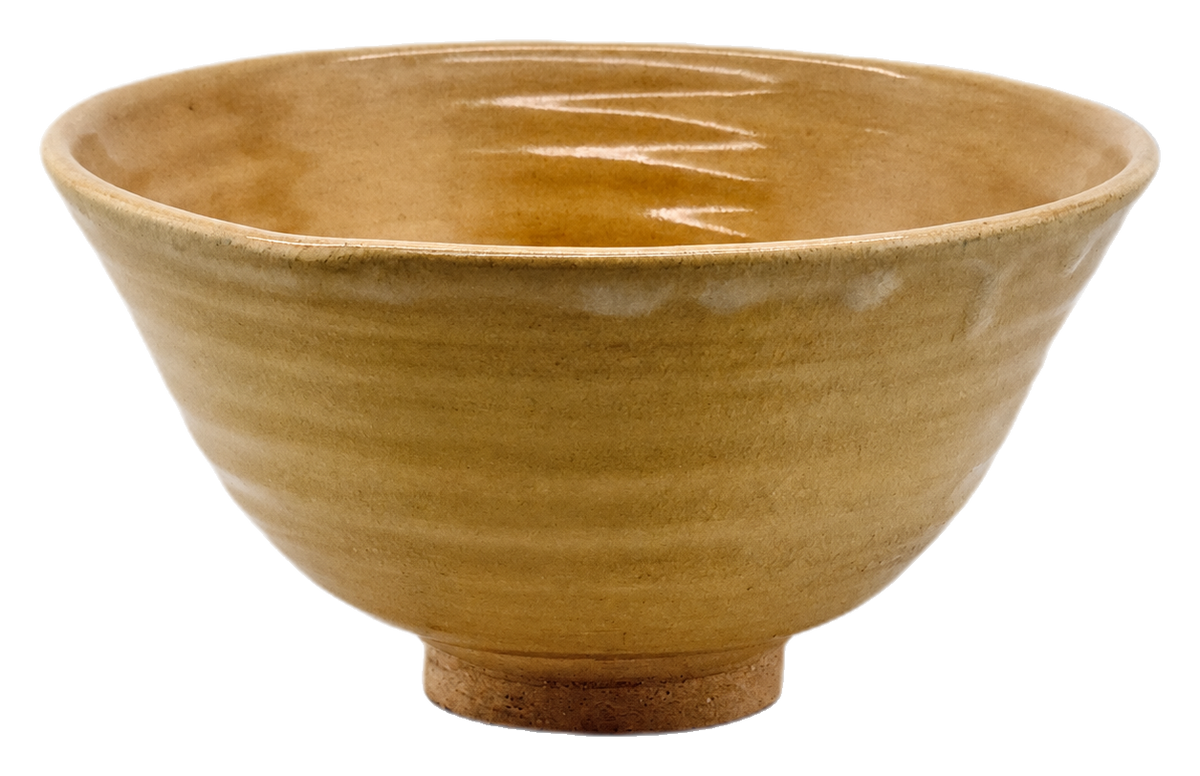


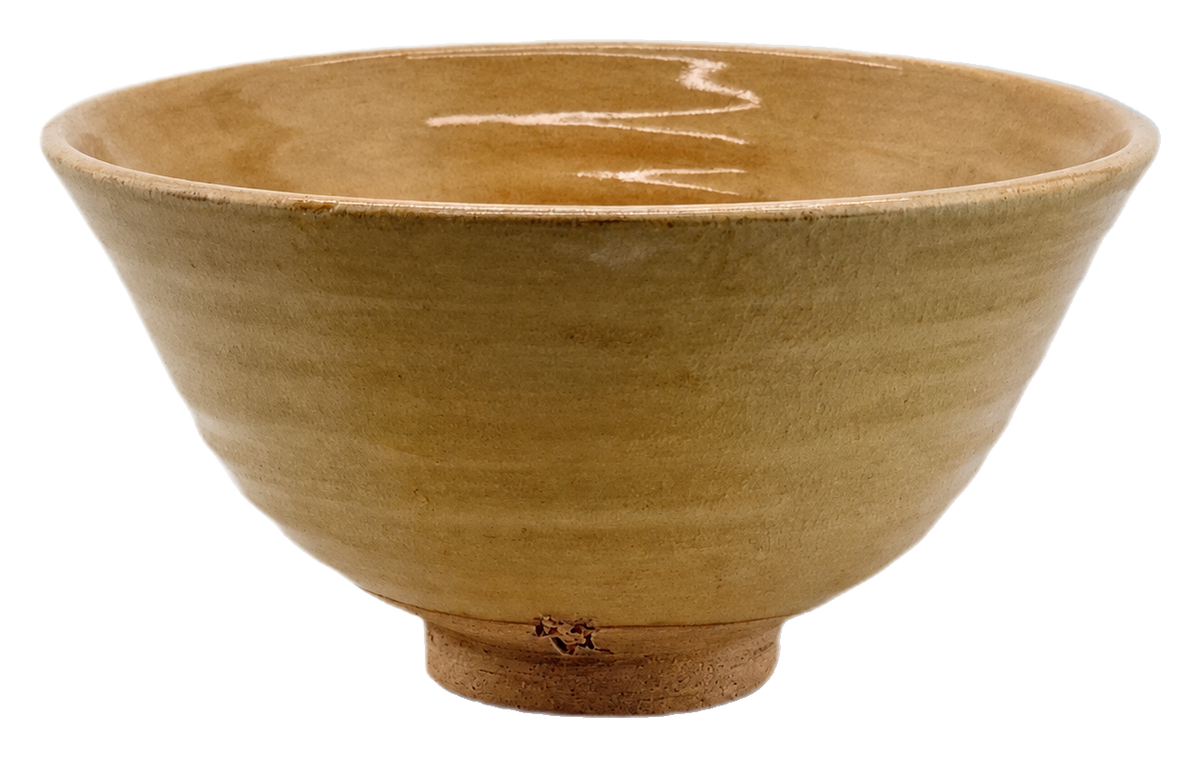


Quiet Form – Han-nari (半なり)This matcha bowl follows the han-nari (半なり) form, a softly flared, slightly tapered silhouette. The body rises gently from the kōdai (高台) foot and opens softly toward the rim. The form provides ample space for whisking with the chasen and rests balanced in the hands. Clay and GlazeThe clay shows warm, natural nuances. The glaze ranges between honey, sand, and ochre tones; fine throwing lines remain visible on the interior. Mino Ware from GifuStylistically, the bowl belongs to the Mino ware (美濃焼) tradition. The form, clay body, and glaze refer to the ceramic culture of Gifu Prefecture. ClassificationThe chronological and workshop-related classification is a stylistic assessment based on form, material, and craftsmanship; no documented provenance is available. For MatchaThe light interior surface creates a clear contrast with the green of the matcha. The rounded shape facilitates smooth, even movements with the chasen, while the bowl rests comfortably in the hand. This bowl is part of a tradition of tea enjoyment that has been carefully maintained for generations.… Read more

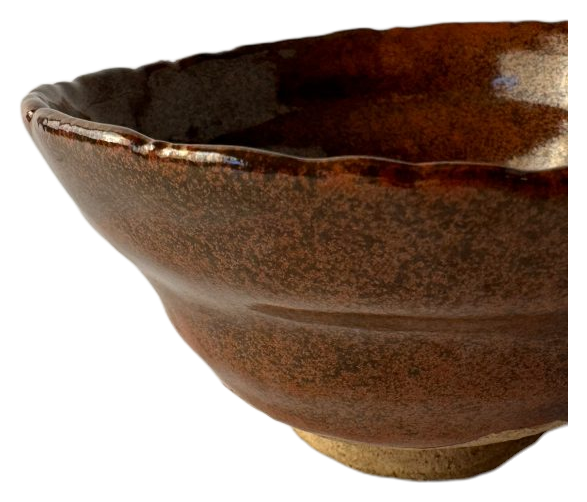


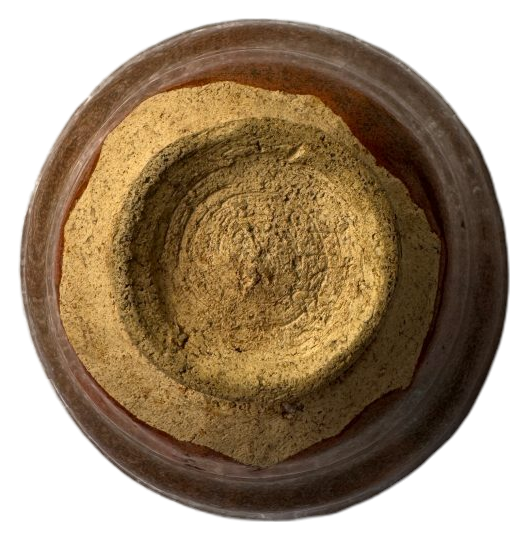
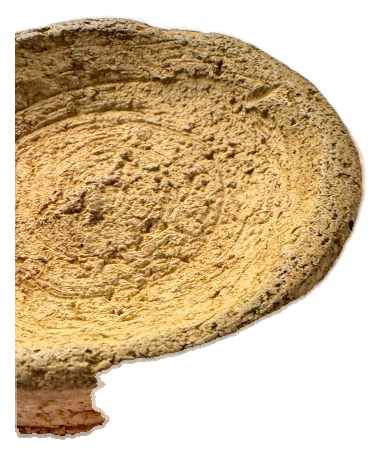
A Vessel with History: The Ido-Gata Chawan This handcrafted matcha bowl from Japan is much more than just a tea vessel – it is an authentic piece of Japanese cultural history. Crafted in the traditional Ido-gata shape (井戸型) and featuring a classic ring foot Wa Kodai (輪高台), it embodies a deep connection to the Japanese tea ceremony. With its reddish-brown glaze and organically textured surface, it tells the story of the craftsmanship of a Japanese master from the 1930s. Dimensions and Feel: Perfect for Your Tea Ritual With a diameter of 12.5 cm, a height of 6.5 cm, and a weight of 253 grams, this matcha bowl fits comfortably in the hand. Its balanced shape and harmonious weight make it effortless to whisk the matcha with the chasen. The smooth surface feels pleasant and makes every sip a special moment. Craftsmanship from Japan: Every Bowl is Unique This chawan was crafted in a traditional Japanese pottery studio around 1930 and is a true one-of-a-kind piece. The reddish-brown glaze is based on special recipes, some passed down through generations, which give the bowls their unique color and texture. The artist's stamp on the bottom confirms the authenticity and origin of this special vessel. Care Instructions: How to Keep Your Matcha Bowl Beautiful for Years To preserve the beauty and functionality of this original Japanese ceramic, you should clean it exclusively with lukewarm water and avoid using dish soap. Avoid extreme temperature fluctuations to protect the glaze. With the right care, this matcha bowl will bring you joy for many years. A Special Piece for Your Tea Ceremony Whether as a matcha bowl, matcha cup, matcha bowl, or vessel for the tea ceremony – this unique piece brings history, craftsmanship, and aesthetics to your tea ritual. Experience the connection between tradition and enjoyment with this unique chawan. This bowl is part of a tradition of tea enjoyment that has been carefully maintained for generations.… Read more


Unique Raku Ceramic from Japan This handmade matcha bowl, also known as a chawan, comes from Japan and was crafted in the han tsutsu-gata (半筒型) half-cylinder shape. With its spiral shell foot, known as kaijiri kodai (貝尻高台), it embodies traditional Japanese craftsmanship from the 1960s and 1970s. Color Play and Texture The raku ceramic of this matcha cup impresses with a bright orange-red color, streaked with charcoal-gray speckles and a soft gradient of black and gray. The glaze gives the surface depth and a vibrant texture that subtly changes in the light. Dimensions and Weight With a diameter of 12 cm, a height of 8.25 cm, and a weight of 308 g, this matcha bowl fits comfortably in the hand. The balanced shape and weight support the traditional preparation of matcha tea. Significance in the Tea Ceremony As a vessel for matcha and other types of tea, this chawan plays a central role in the Japanese tea ceremony. The half-cylindrical shape allows the tea aroma to unfold evenly and the tea foam to develop optimally. Care Instructions To preserve the beauty of this original Japanese ceramic, the bowl should be cleaned exclusively with lukewarm water. Avoid using soap or detergent, as well as sudden temperature changes, to protect the glaze. A Piece of Japanese History This matcha bowl is more than just a tea vessel – it is an expression of centuries-old Japanese craftsmanship and culture. Every nuance in the glaze tells the story and skill of the ceramic artist. This bowl stands in a tradition of tea enjoyment that has been carefully maintained for generations.… Read more


A Matcha Bowl with Soul and History This antique matcha bowl from Japan, crafted around 1910, is far more than a tea vessel – it is a living piece of cultural history. Designed in the Han tsutsu-gata form (半筒型) and featuring a distinctive Uzumaki Kodai (渦巻高台), it embodies the essence of traditional Japanese ceramics. The warm red and sand tones, interwoven with flowing patterns, tell of the masterful craftsmanship of a Japanese master. The Shape: Han tsutsu-gata – A Half-Cylinder with Character The Han tsutsu-gata form, known for its half-cylindrical silhouette, offers not only aesthetic elegance but also functional advantages when preparing matcha. The Uzumaki Kodai, a spiral foot, provides stability and gives the bowl a special dynamism. Measuring 11 x 8 cm and weighing 341 g, it fits comfortably in the hand and supports whisking the matcha with the chasen. Colors and Glaze: A Play of Elements The glaze of this matcha bowl impresses with its earthy red and sand tones, which blend together in flowing transitions. The strikingly curved rim gives the bowl an organic touch and emphasizes its handcrafted origin. Every nuance and detail reflects the care and skill of the ceramic master. A Unique Piece with History This chawan is a unique piece that has been passed down through generations. Its origin from the ceramic hub of Kyoto underscores its authenticity and cultural value. As a vessel for matcha or other types of tea, it brings not only functionality but also a deep connection to the Japanese tea ceremony. Care Instructions To preserve the beauty and integrity of this antique matcha bowl, we recommend cleaning it exclusively with lukewarm water, without the use of detergents. Please avoid extreme temperature fluctuations to protect the glaze and the material. This bowl stands in a tradition of tea enjoyment that has been cherished for generations.… Read more
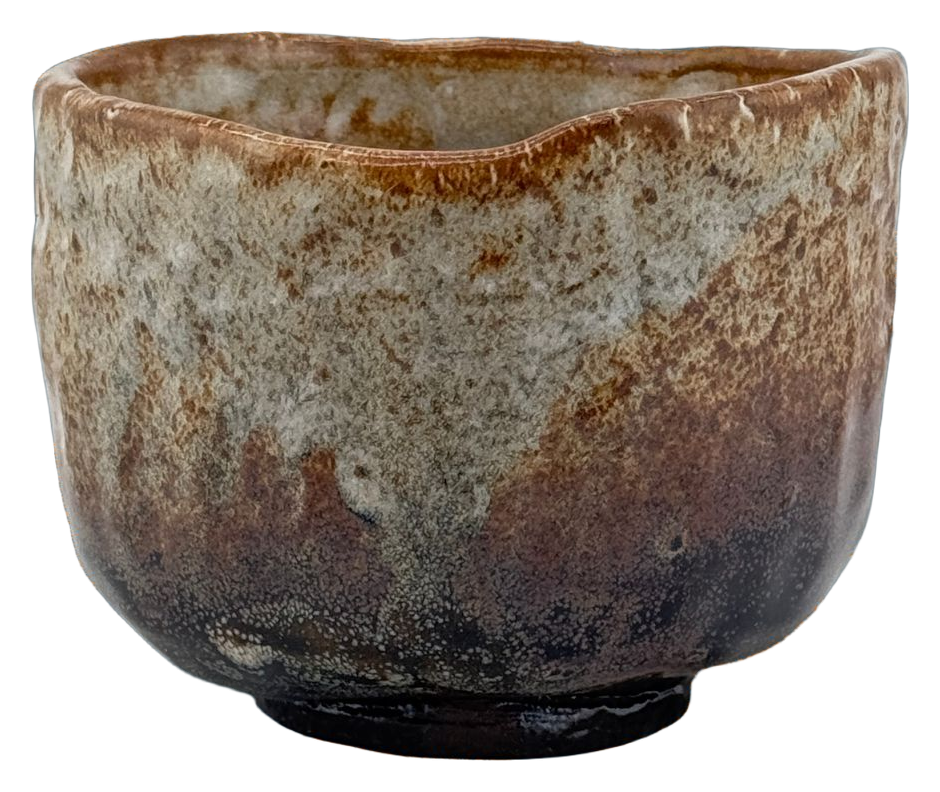
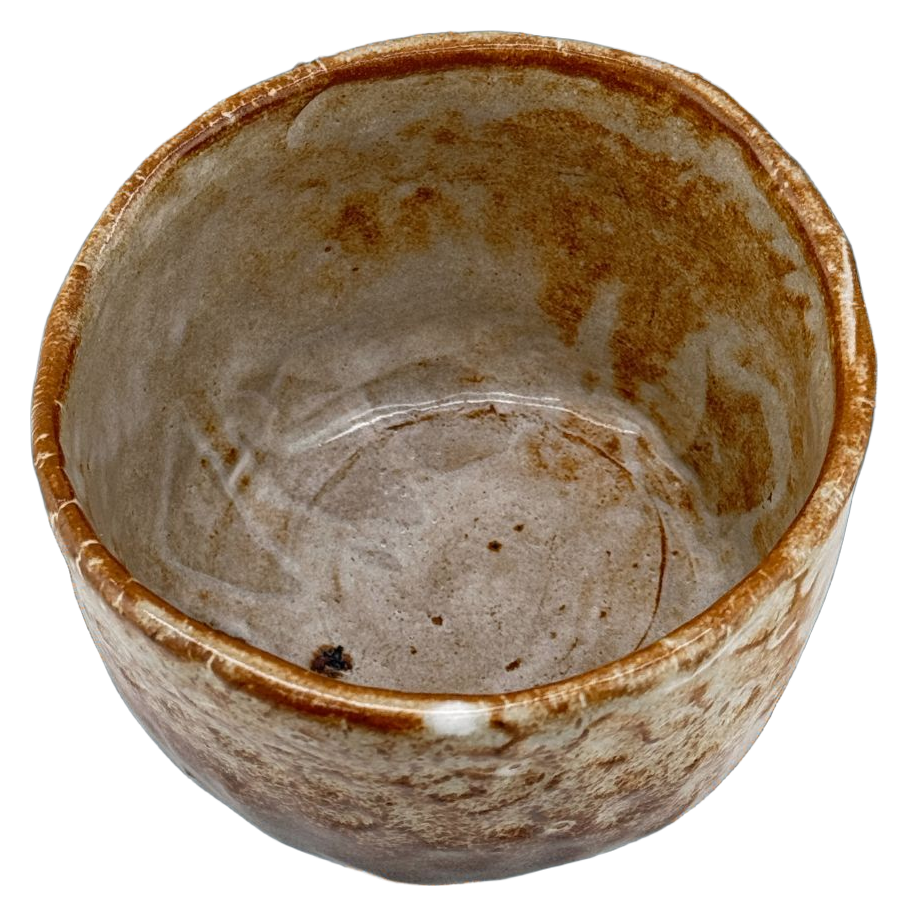


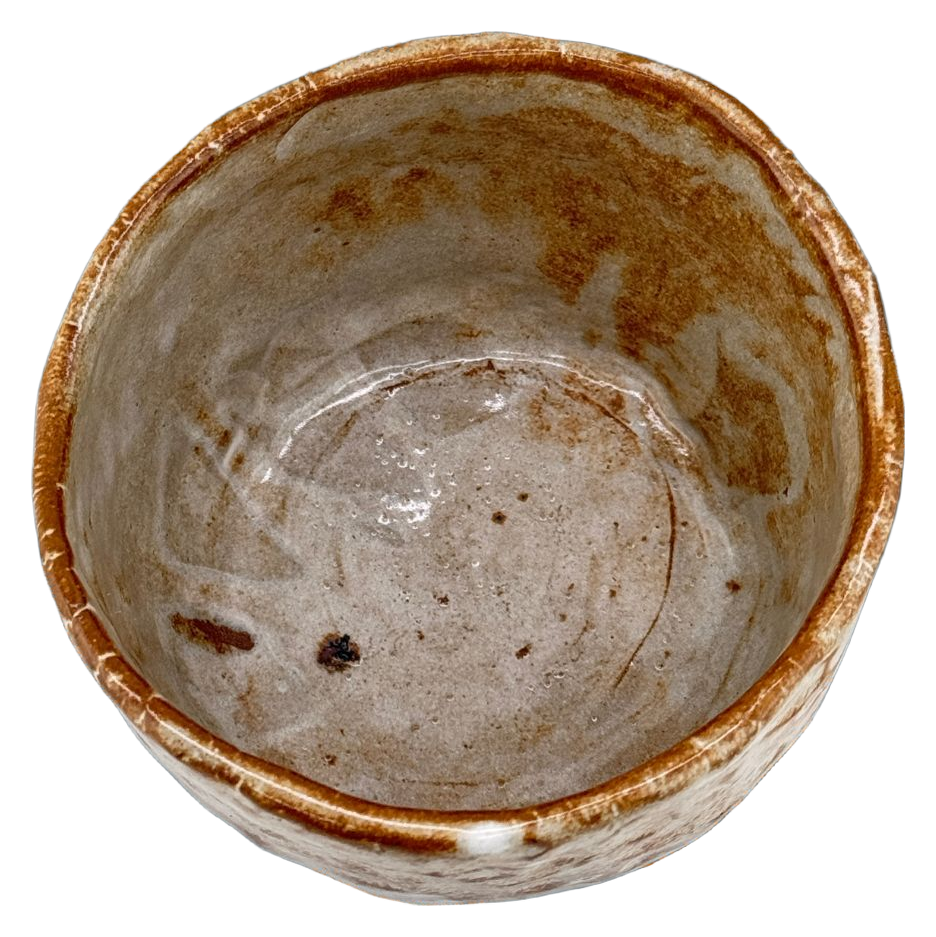
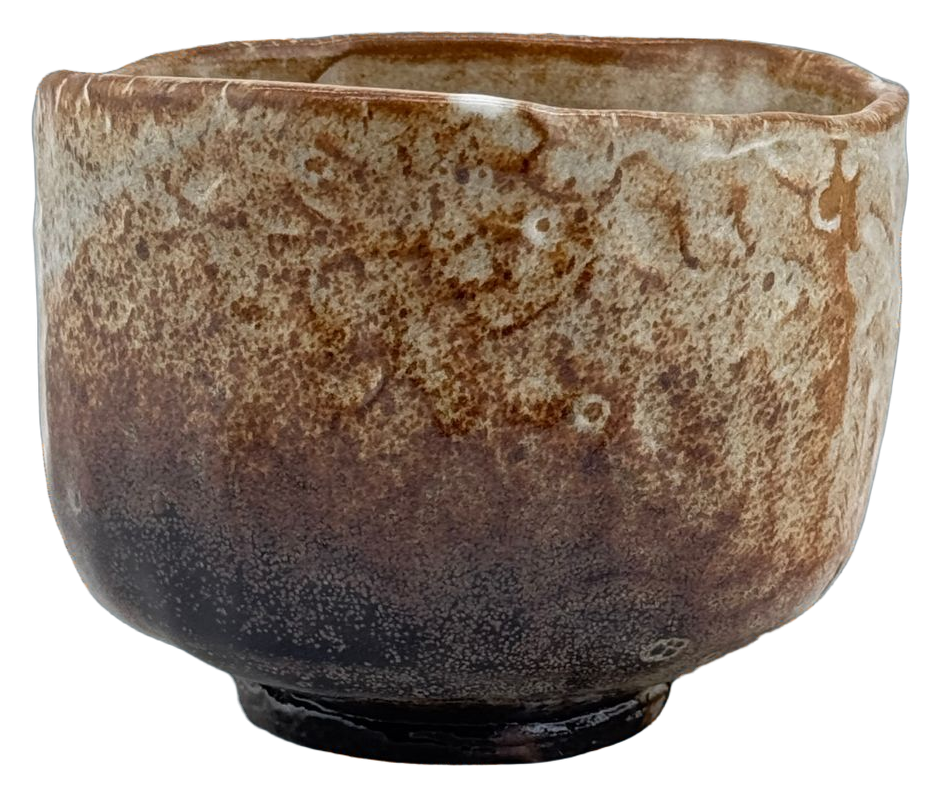

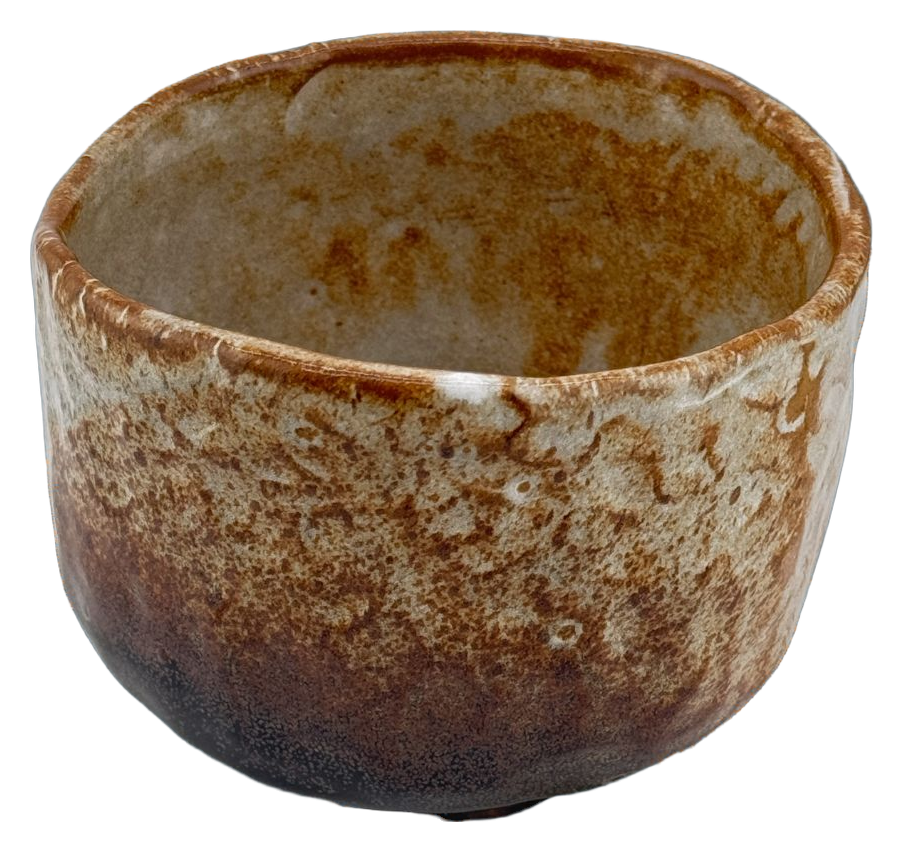
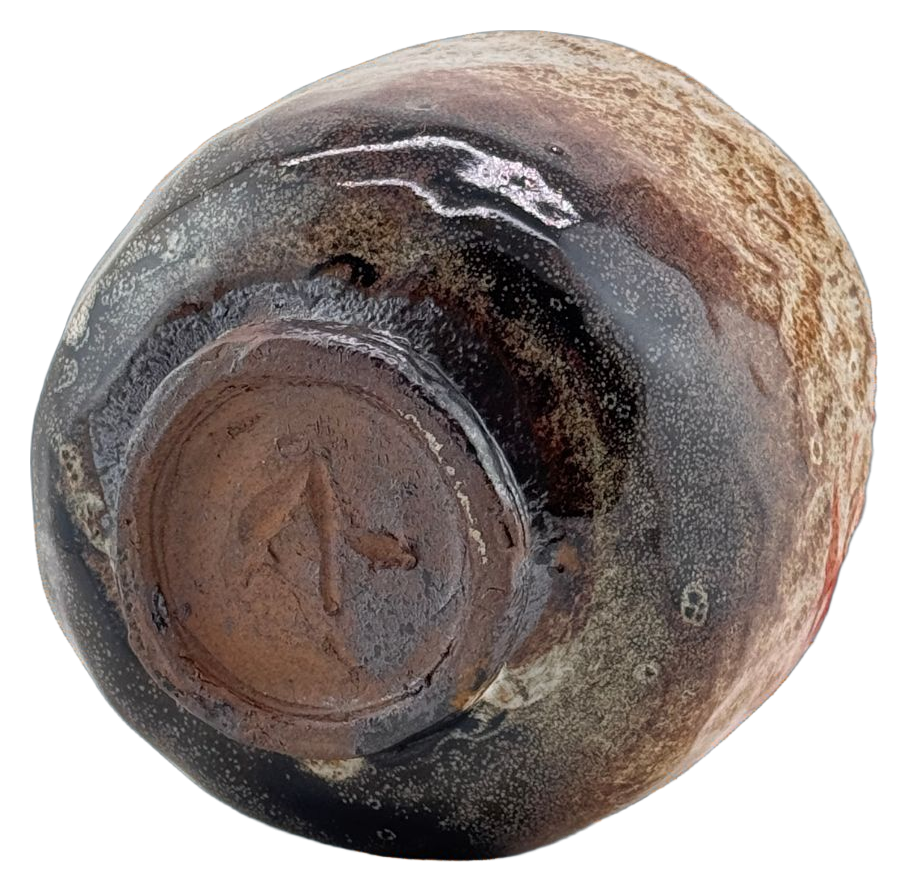
Japanese Matcha Bowl in the Style of Traditional Raku Aesthetics (楽茶碗) This tea bowl combines organic hand-forming, deep earth tones, and vibrant glaze development into a calm, archaic presence. Its color gradient ranges from warm amber and ochre tones to dark, almost sooty areas on the lower body—an expression of intense heat, flowing glaze reactions, and a classic reduction firing. Every side reveals a different face: cloudy patterns, crystalline transitions, and clear traces of manual shaping. A Unique Piece with a Distinct Hand: Form, Surface, and Glaze Gradient The form corresponds to a Hon-gata Chawan (本形茶碗)—a slightly cylindrical matcha bowl with an organically irregular top, as has been appreciated in the Raku tradition for centuries. The bowl appears deliberately asymmetrical: the rim is slightly wavy, the volume gently rounded outward, and the body is palpably hand-formed rather than thrown on a wheel. The glaze displays a multi-layered blend of light gray, amber-brown, and dark black areas. The texture resembles frozen smoke, with small glaze bubbles, fused inclusions, and finely flowing, cloudy patterns. The surface can be poetically described as“like embers continuing to breathe beneath a layer of ash.” The interior remains calmer in color: light, slightly cloudy gray with warm brown areas reminiscent of ash deposits. Small firing marks and slight irregularities are typical features of high-quality Raku and studio ceramics. In the Moment of Matcha: Presence, Warmth, and Tactility In the moment of matcha, an exceptionally warm, earthy feeling arises: the outer wall feels natural and easy to grip, the glaze rests comfortably in the hand, and the organic rim line guides the eye calmly toward the center of the bowl. When whisking matcha, the rounded interior shape ensures a harmonious movement of the chasen and even foam formation. This bowl supports a focus on the Way of Tea—calm, authentic, and palpably traditional. Artist Stamp & Origin: Analysis and Identification On the underside is a clearly visible, circular stamp pressed into the clay. The symbol resembles a stylized kanji or artist mark, which is more typical of contemporary independent studios in Japan than of large workshops. The glaze and firing characteristics align very well with Shigaraki, Tamba, or Kyoto Raku. However, the stamp does not clearly indicate a specific well-known Raku family. It is likely a modern studio piece by an independent Japanese artist interpreting traditional Raku aesthetics. Aesthetics & Mood: A Bowl for Quiet, Meditative Tea Moments The bowl conveys warmth, earthiness, and a calm, meditative presence. The interplay of light ash clouds and dark firing zones creates depth and character. For tea lovers who experience matcha as a mindful moment, this chawan will quickly become a personal favorite. Care Instructions for Handmade Ceramics Clean the bowl exclusively with clear, lukewarm water.Do not use soap or dishwashing detergent.Dry carefully.Do not put in the dishwasher.Avoid extreme temperature changes. Specifications Product: Matcha bowl (Chawan)Color: Gray, amber, dark brown, blackOrigin: Japan, stylistically Shigaraki/Tamba/Kyoto RakuTradition: Contemporary Raku aesthetics / 手捏ね Hand-formingMaterial: Clay, Raku/ash glazeForm: Hon-gata Chawan (本形), organically shapedKodai (Foot): Artist stamp, unglazed core ringDimensions: 11 cm diameter × 9 cm height | Foot 6 cm diameter × 1 cm height Weight: 410 gPackaging: Gift box This bowl belongs to a tradition of tea enjoyment cultivated for generations.… Read more


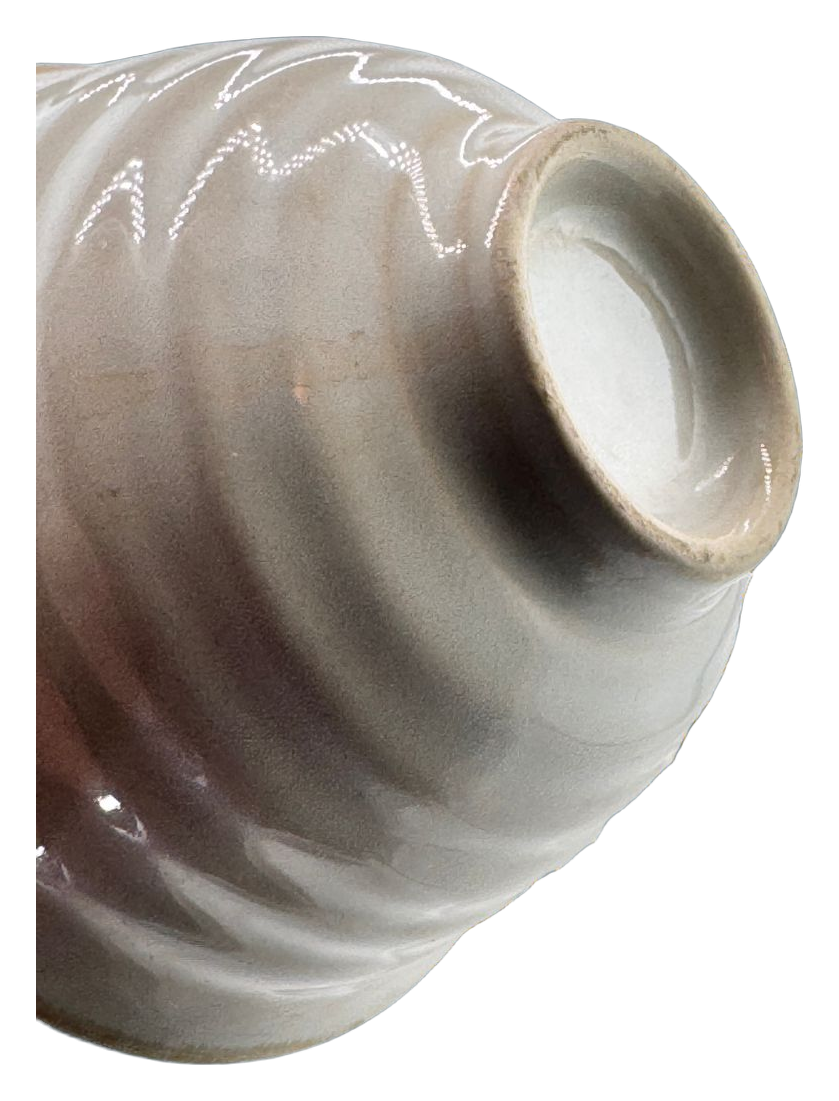
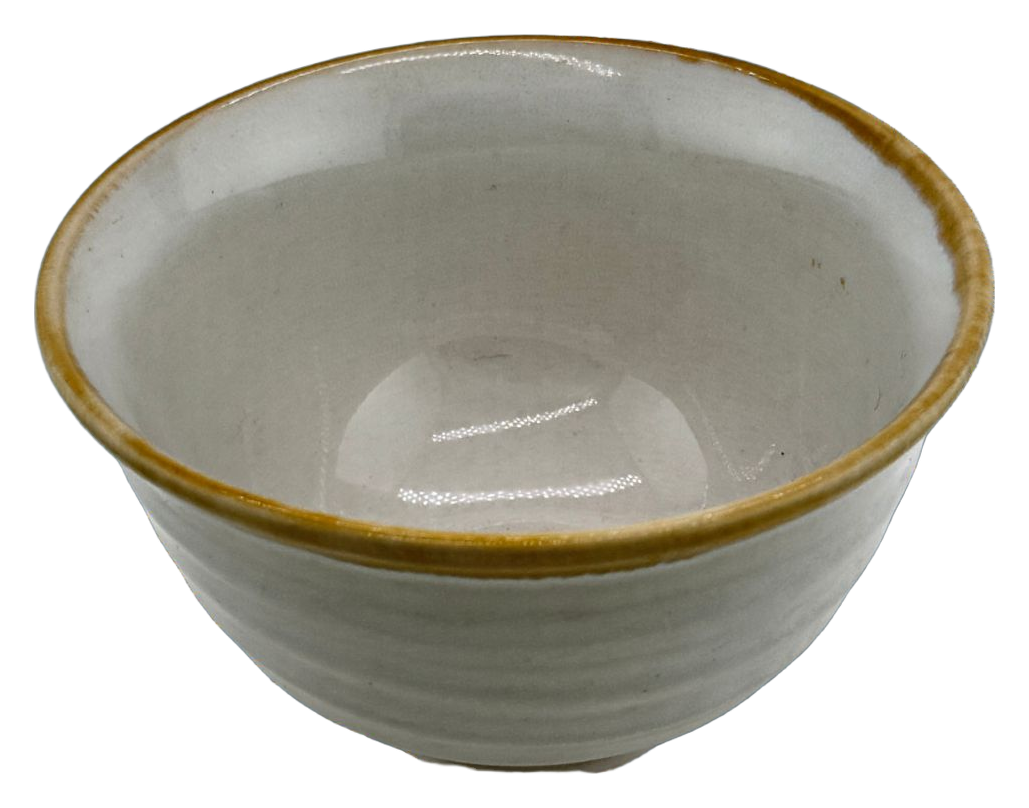
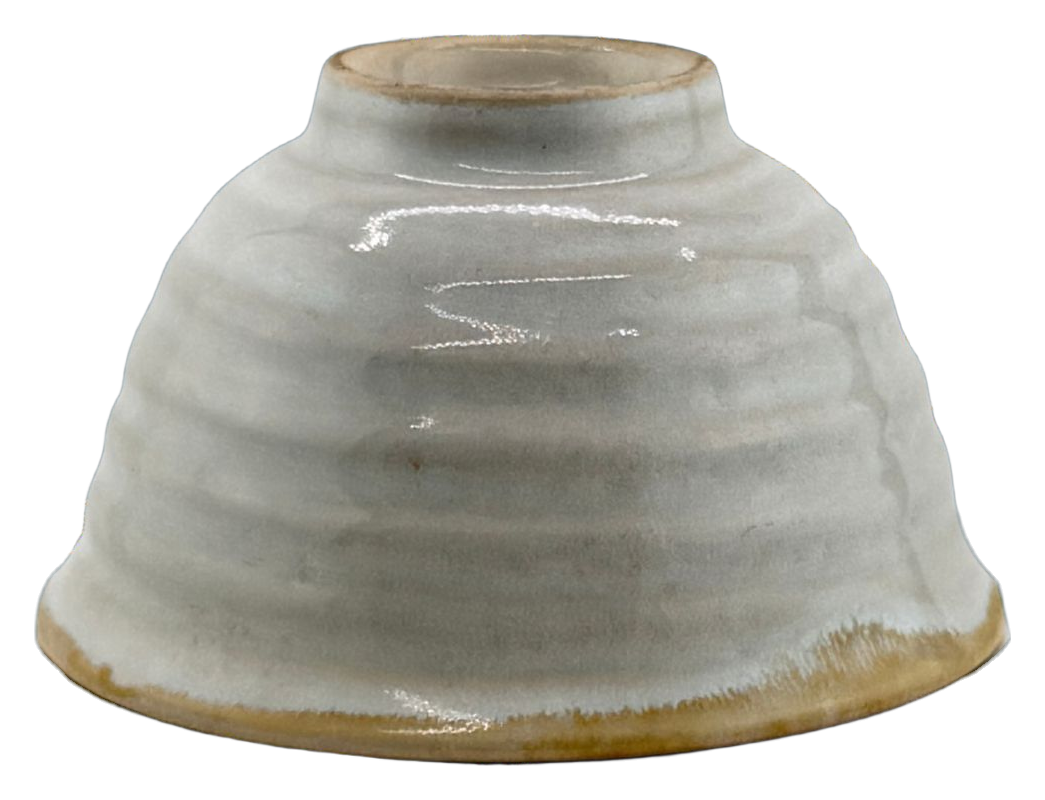


This light matcha bowl combines a calm, natural presence with the clear design language of traditional Mino-Yaki ceramics. The interplay of cream-white glaze, warm ochre at the rim, and gently thrown lines creates a simple yet very lively effect. It feels light, minimalist, and yet deeply rooted in craftsmanship—a bowl that can accompany matcha in a particularly quiet, honest atmosphere. Form, Surface, and Character: Understated Elegance with Tangible Handcraft The chawan has a harmonious profile: slightly flared, softly rounded, and featuring fine, circumferential wave lines that clearly indicate its throwing on the potter's wheel. The texture is pleasantly organic—neither completely smooth nor rustic—and conveys exactly the balance that makes Mino-Yaki so highly regarded. The rim stands out distinctly with a warm ochre tone, giving the light glaze visual definition. The surface shows small inclusions, subtle glaze variations, and delicate traces of firing that give the bowl its individuality. The light interior brings out the green of the matcha intensely without drawing attention to itself. In the Tea Ritual: Calm, Clarity, and Harmonious Movement During the tea experience, the bowl supports a clear, minimalist mood. It rests lightly and comfortably in the hand, and its open form makes it easier to whisk the matcha with soft, even movements. The light, glossy interior reflects the green tea powder and enhances the moment of matcha—calm, clear, focused. The Foot (Kodai): Unpretentious Craftsmanship The kodai is kept simple, precisely defined, and shows the natural color of the clay. No stamp, no signature—typical of workshops that consciously work with restraint and focus on form, function, and everyday usability. The visible throwing ridges continue down to the lower body of the bowl, harmoniously connecting the top and bottom. Aesthetics and Mood: Minimalism as a Strength The bowl feels friendly, light, and unpretentious—a kind of "quiet vessel" that gives the tea space. The combination of cream-white glaze, a warm rim, and soft lines creates an atmosphere that is particularly suited to early morning moments or quiet matcha rituals. Anyone looking for a subtle, minimalist matcha bowl will find a piece here that impresses through its restraint. Care Instructions - Clean with clear, lukewarm water - Do not use dishwashing detergent - Dry carefully - Protect from extreme temperature changes Properties Product: Matcha BowlColor: Cream-white with ochre accentsOrigin: Japan (stylistically Mino-Yaki 美濃焼)Tradition: Mino CeramicsMaterial: CeramicForm: Slightly flared chawan with thrown wave linesKodai: Simple foot without stampPackaging: Gift Box This bowl belongs to a tradition of tea enjoyment that has been carefully maintained for generations.… Read more

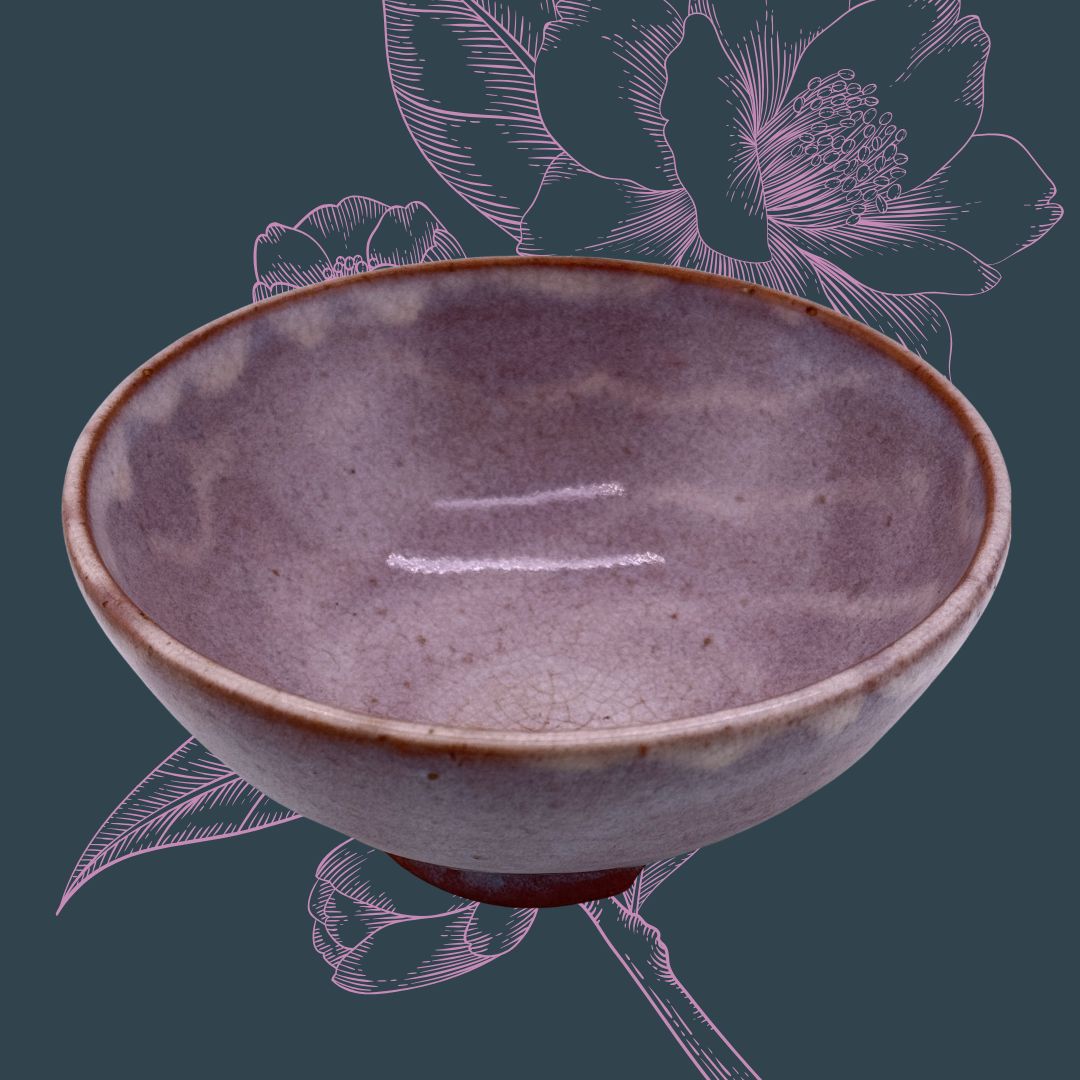
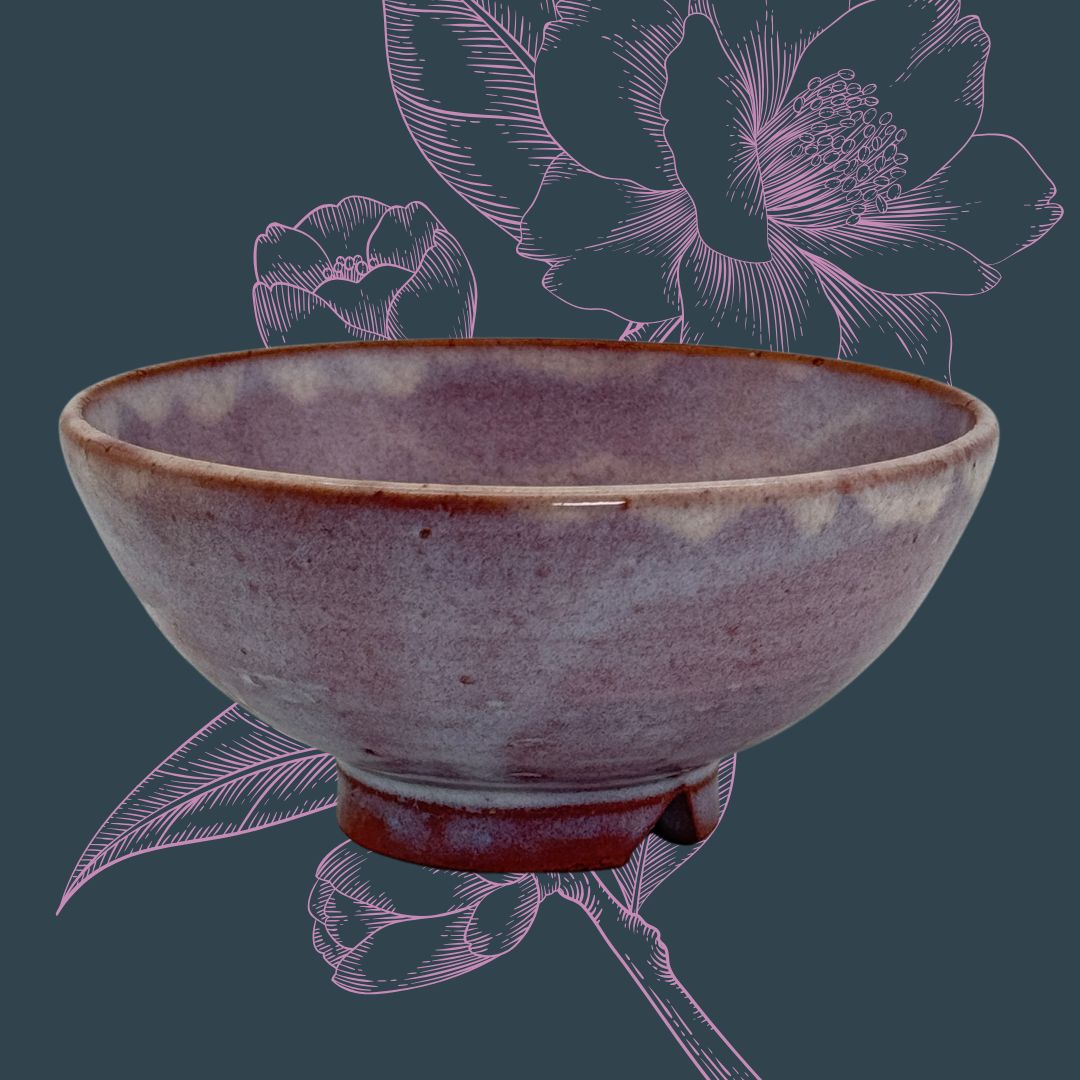
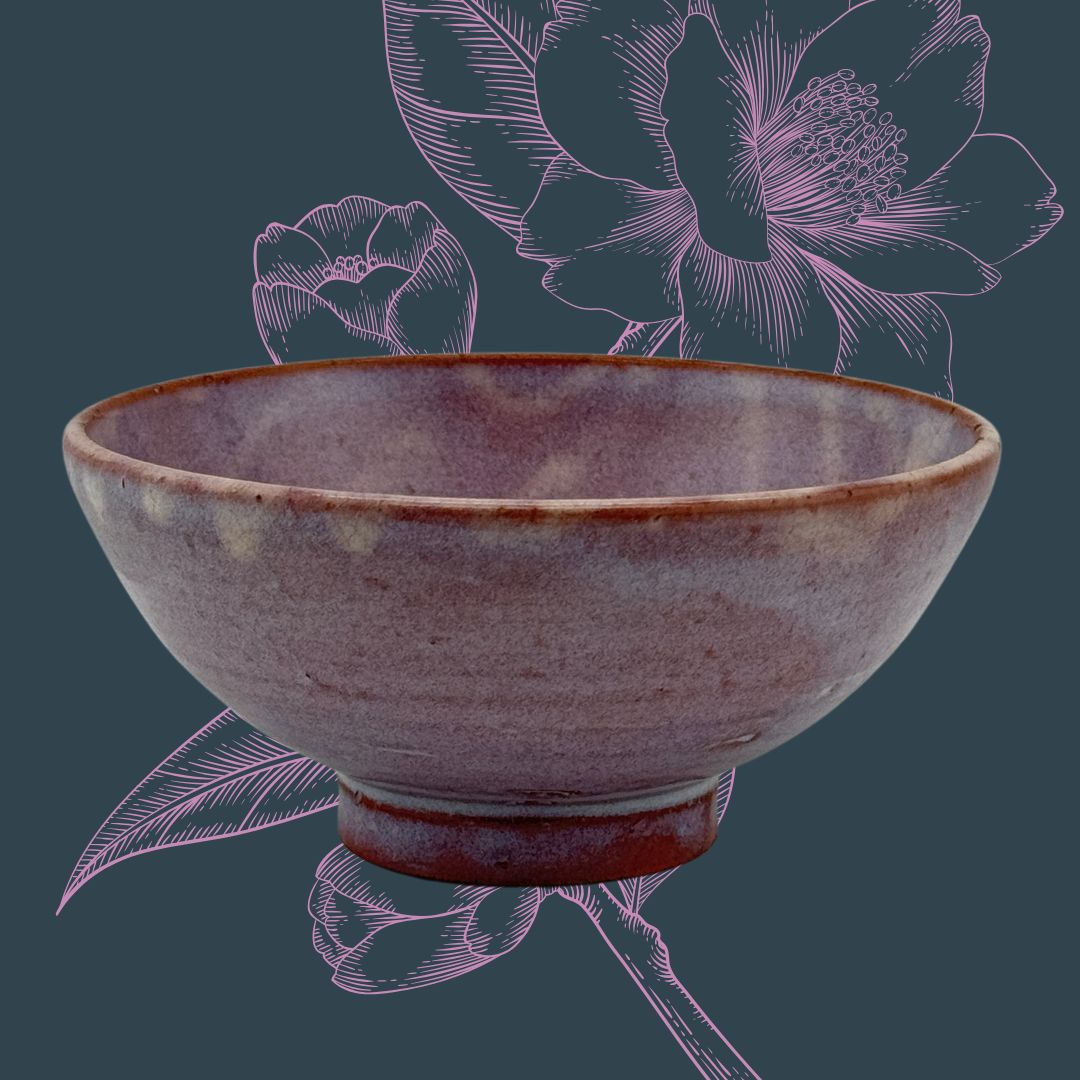
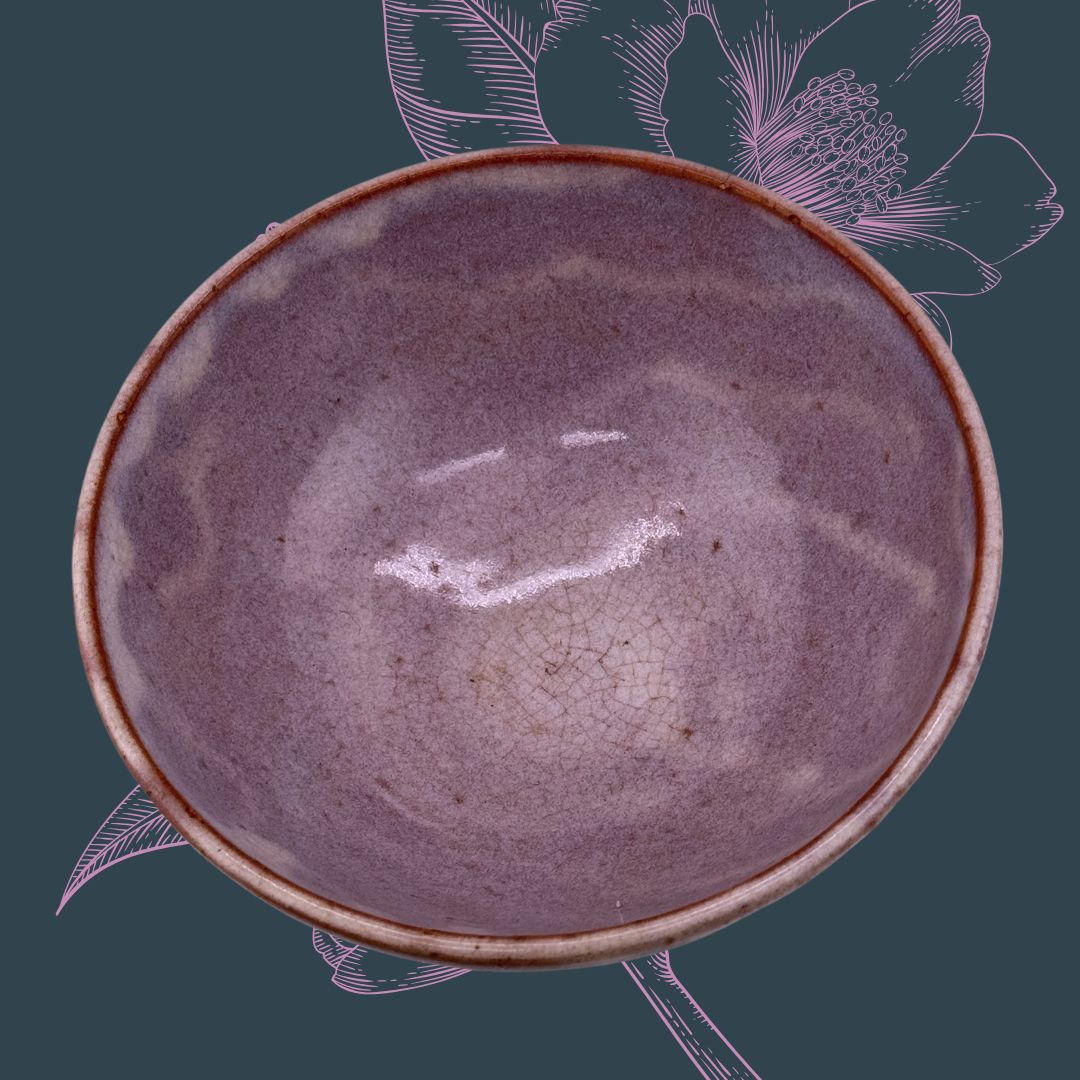

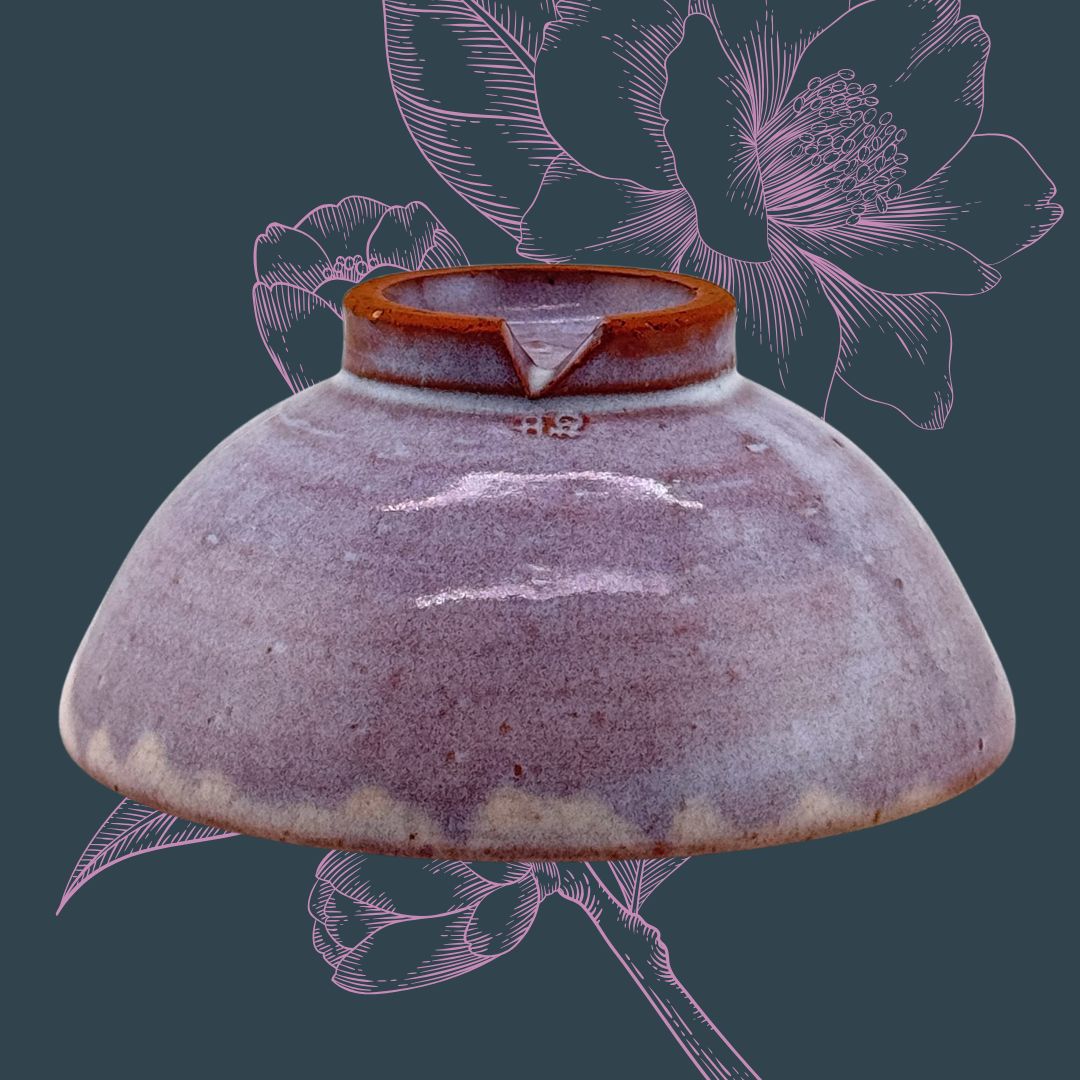
Japanese Matcha Bowl in Contemporary Mino AestheticThis tea bowl combines a wide-open form with lavender, cream, and reddish hues. The crackle glaze and visible clay body give it a calm, artisanal presence. Form and FunctionThe open form provides ample room for whisking with the chasen. The smooth interior makes whisking easier, while the light glaze clearly highlights the green of the matcha. Stylistic ClassificationThe form, clay body, and glaze are reminiscent of contemporary ceramics from the Mino-yaki tradition in Gifu. The specific workshop attribution is a stylistic classification; no documented provenance is available. CharacteristicsProduct: Matcha bowl Color: Lavender-purple, cream, reddish clay body Classification: Mino-yaki aesthetic, Japan Material: Ceramic with crackle glaze Form: Wan-nari 椀形 Dimensions: approx. 12 cm diameter × 6 cm height Weight: approx. 190 g CareClean with clear, lukewarm water, allow to dry completely, and avoid extreme temperature shocks. This bowl is part of a tradition of tea enjoyment that has been carefully maintained for generations.… Read more

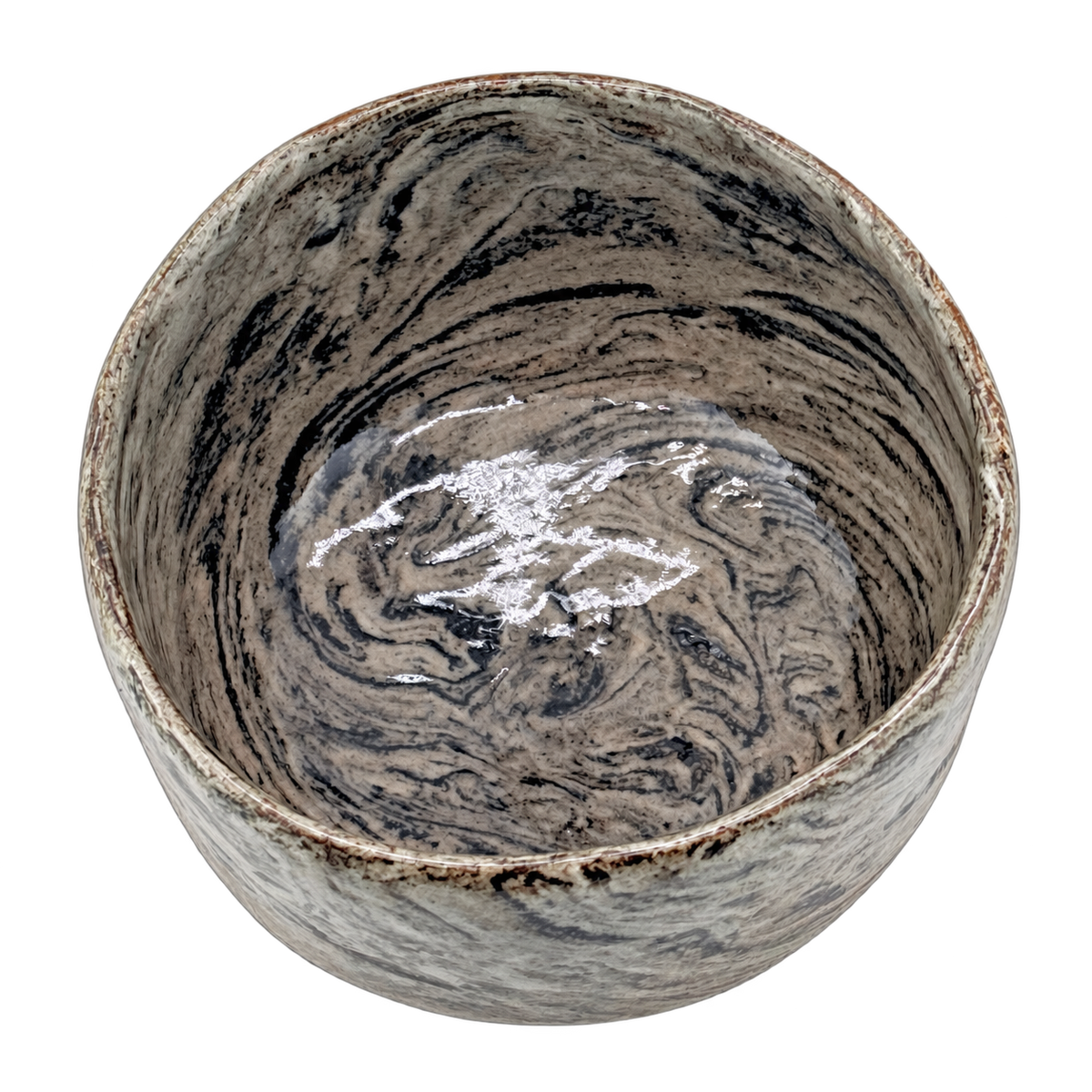


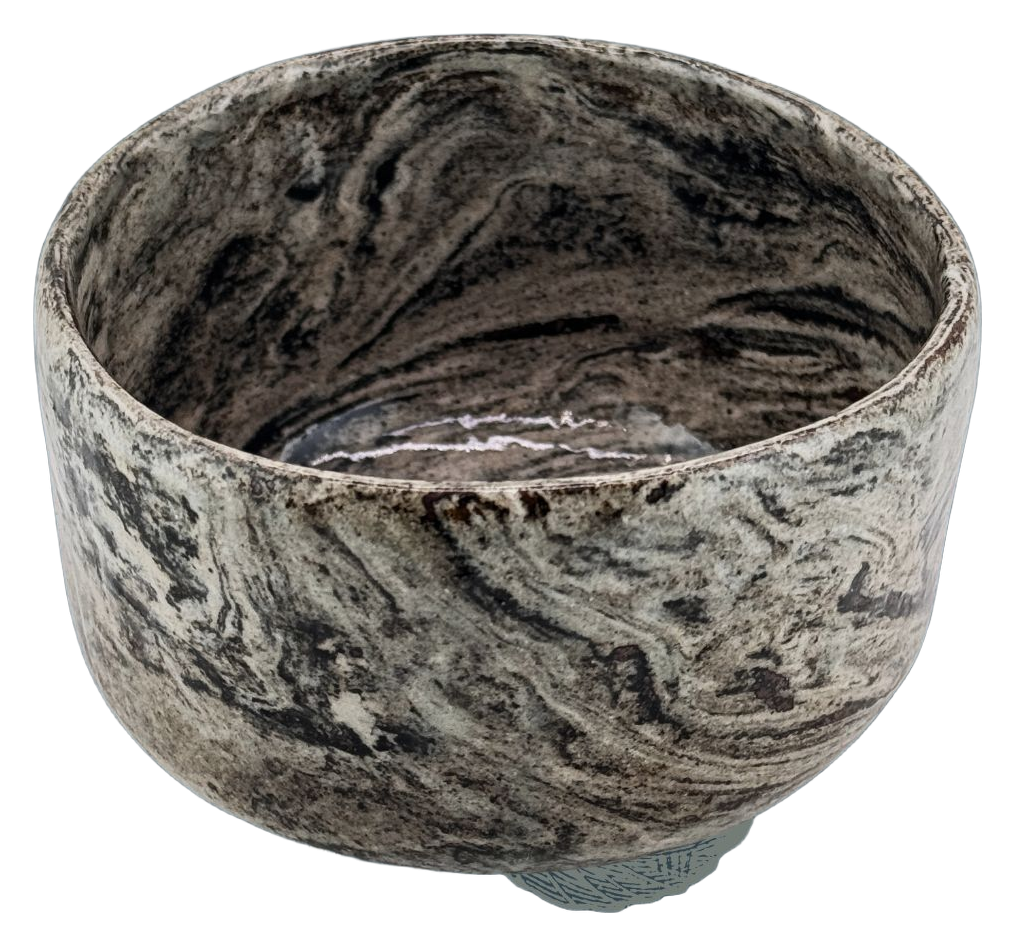
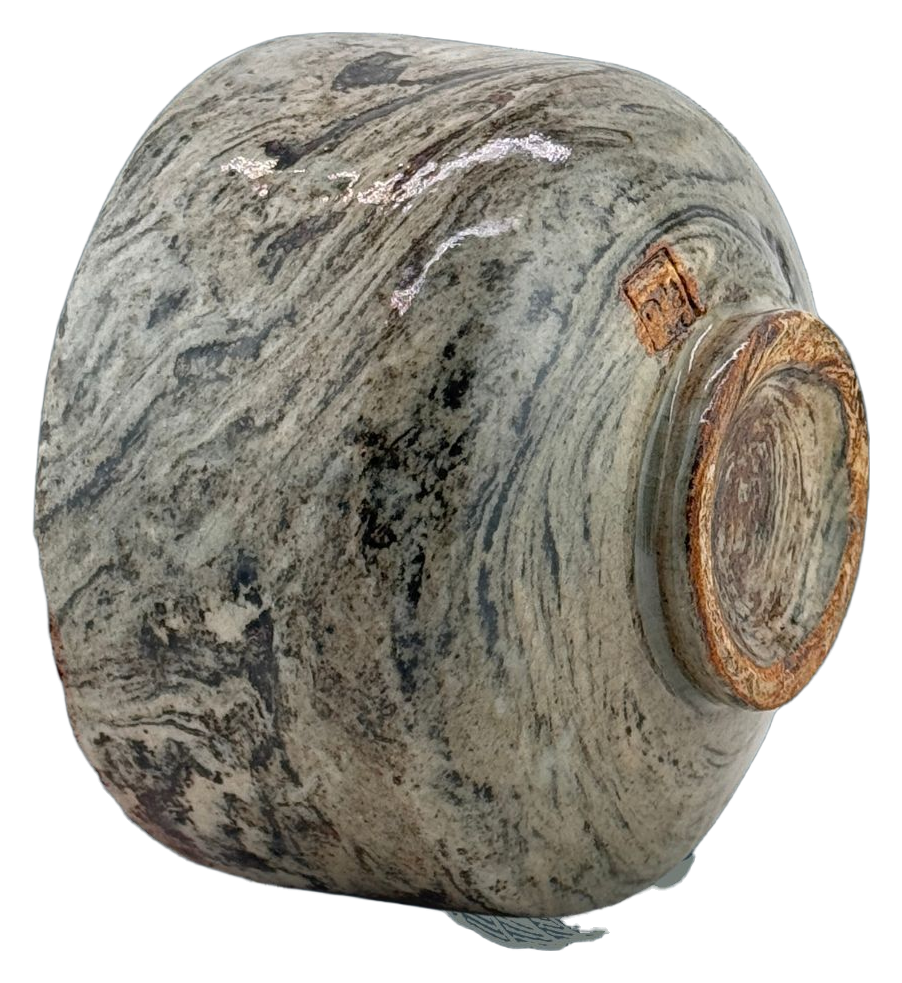

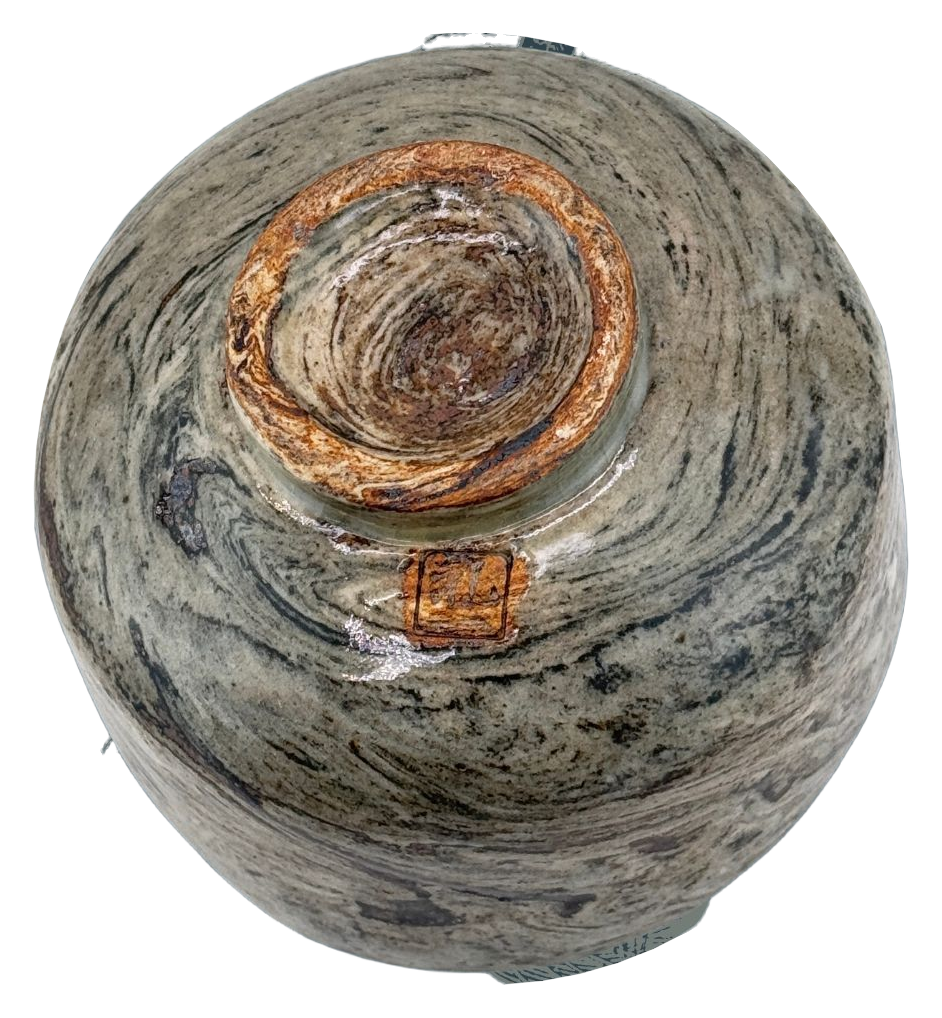


A Chawan with Marbled Clay PatternThis matcha bowl combines Japanese tea aesthetics with clearly visible marbling from multicolored layers of clay. Each line is created by the movement of the material, making the surface unique. Neriage CeramicsThe neriage technique involves combining differently colored clay masses. As a result, the pattern is not merely on the surface but is part of the clay body itself. Form and FunctionThe cylindrical chawan shape provides ample space for whisking matcha. The well-crafted foot ensures a secure stand, while the marbling remains visible inside and out. Workshop and SignatureThere is a potter's stamp on the foot. Any attribution beyond this to a specific workshop or person cannot be reliably supported without documented provenance and is therefore not claimed. Product FeaturesDimensions: approx. Ø 11.5 cm × H 8 cm Foot: approx. Ø 5 cm × H 0.8 cm Weight: approx. 370 g Technique: Nerikomi / Neriage Style: modern studio ceramics Surface: smooth glaze with marbled clay pattern Method of manufacture: hand-thrown and signed This bowl is part of a tradition of tea enjoyment that has been cherished for generations.… Read more


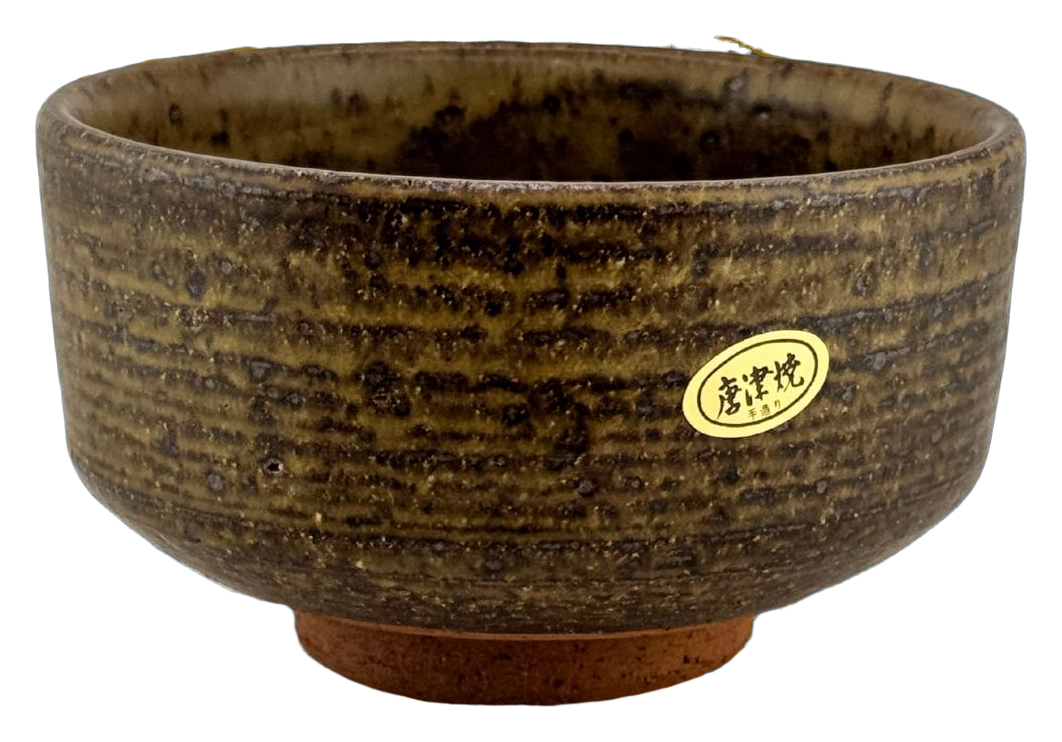


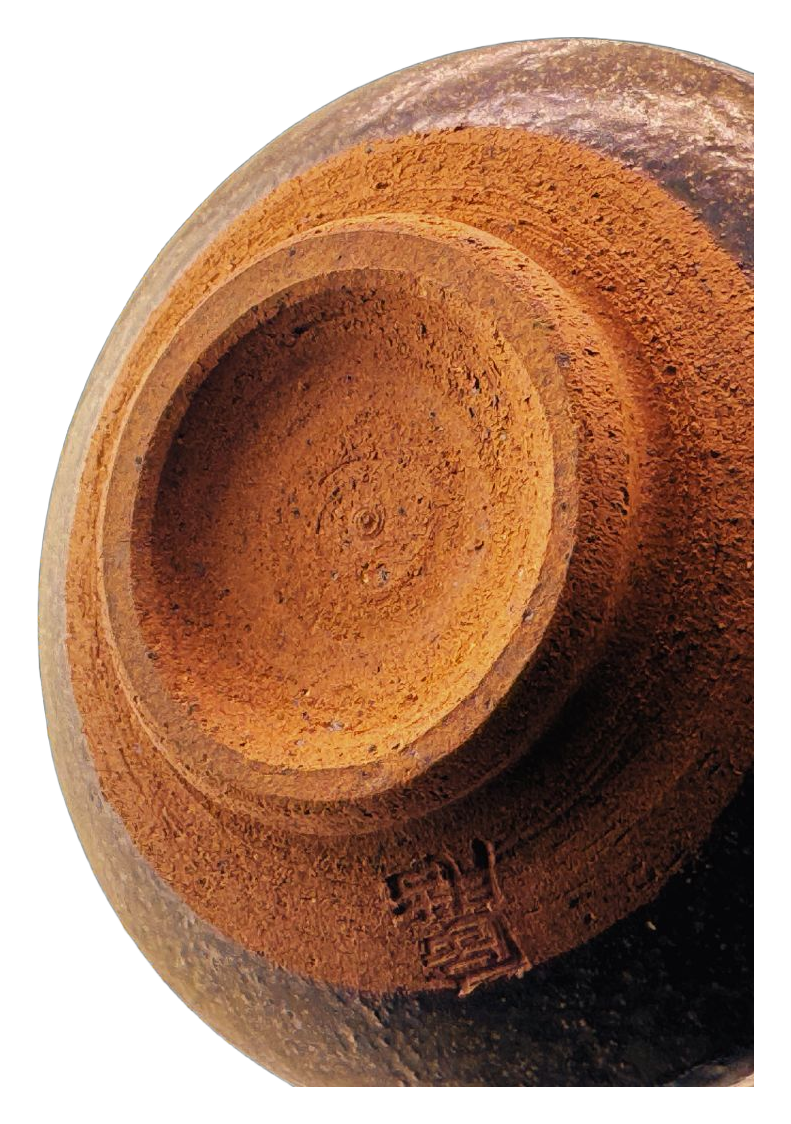

静かな土の気配 – A Matcha Bowl Full of Depth and Grounding This chawan welcomes you with a quiet, earthy presence. Its surface is like a poem of clay texture: horizontal ridges reminiscent of old wheelwork, covered with a mossy brown glaze that thickens into tiny dark inclusions. The impression is clear—this bowl draws its life from the depth of the material, not from decorative intent. It feels like a piece of landscape captured in ceramic. The Atmosphere of the Bowl—Warm, Still, and Full of Substance The body displays a steadfast, almost archetypal form: wide-open, stable, and substantial in the hand. The glaze rests over the structure like a muted mantle, sometimes denser, sometimes more transparent, with subtle nuances of olive, earth, and deep brown. Inside, a subtle swirl of color appears, almost like growth rings in wood—a quiet detail that is only noticed when you pause. The foot ring is left raw, made of robust, reddish-brown Shigaraki clay, and bears a clear stamp in kanji. It is deeply incised, cleanly crafted, and typical of workshops that deliberately showcase unglazed clay as a signature of their region. 手業の呼吸 – Craftsmanship You Can Feel Instantly The potter must have maintained a clear rhythm while throwing; the horizontal lines reveal a steady hand and the conscious decision to leave traces visible. Nothing was smoothed over or hidden. The clay shows its grain, the glaze its breath, and the form its function for whisking matcha. When you lift the bowl, there is this sense of quiet weight—perfect for moments of concentration, when matcha becomes not just a drink, but a state of mind. Historical and Regional Context—Tradition You Can Recognize The raw, iron-rich body, the natural, muted glaze, and the clear stamp point to an origin in Karatsu (唐津焼)—one of Japan's oldest tea-ware regions. Karatsu ceramics are known for their unpretentious, honest aesthetic, which has endured since the Momoyama period and continues to be appreciated by tea masters today. The form and firing characteristics suggest a piece from the late Shōwa to early Heisei period (1970s–1990s), when many workshops returned to simpler, earth-bound styles. The stamping corresponds to the typical signature practice of smaller regional studios and could be attributed to a traditional family workshop—a true one-of-a-kind piece from an environment where ceramics are not manufactured, but nurtured. Why This Bowl Was Made for Matcha It rests securely in the hand, the wall thickness keeps the tea warm for a long time, and the wide opening creates space for harmonious whisking—perfect for moments when matcha is more than just a drink. The muted Karatsu aesthetic suits buying matcha, drinking matcha, and enjoying Japanese green teas just as well as German matcha from Growing Karma's camellia plants. The surface feels soothing and grounds you as you prepare the tea—a quiet companion for your everyday life. Features Product: Matcha BowlColor: Mossy-brown natural glazeOrigin: Likely Karatsu (唐津焼), JapanTradition: Late Shōwa to early Heisei, Karatsu studio potteryMaterial: Iron-rich stonewareForm: Classic, wide-open chawanKodai: Unglazed, reddish Karatsu foot with stamp This bowl belongs to a tradition of tea enjoyment that has been nurtured for generations.… Read more


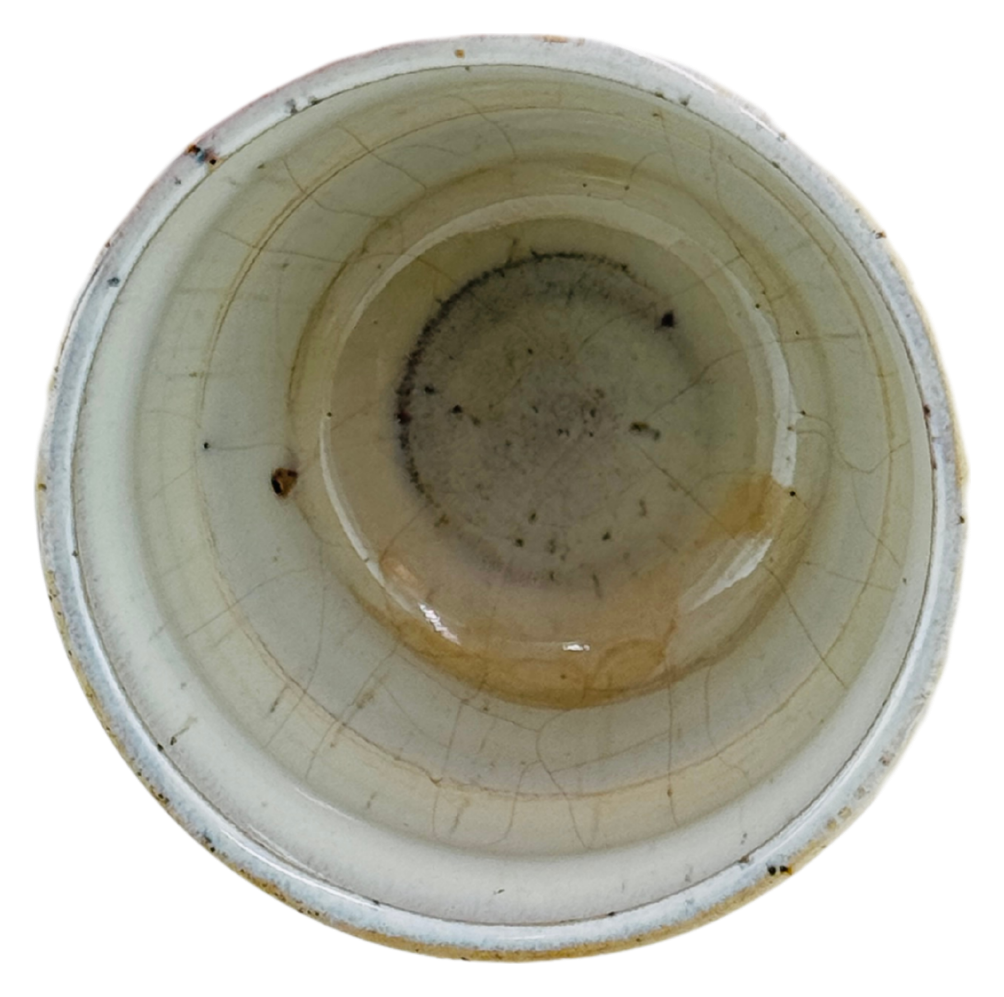
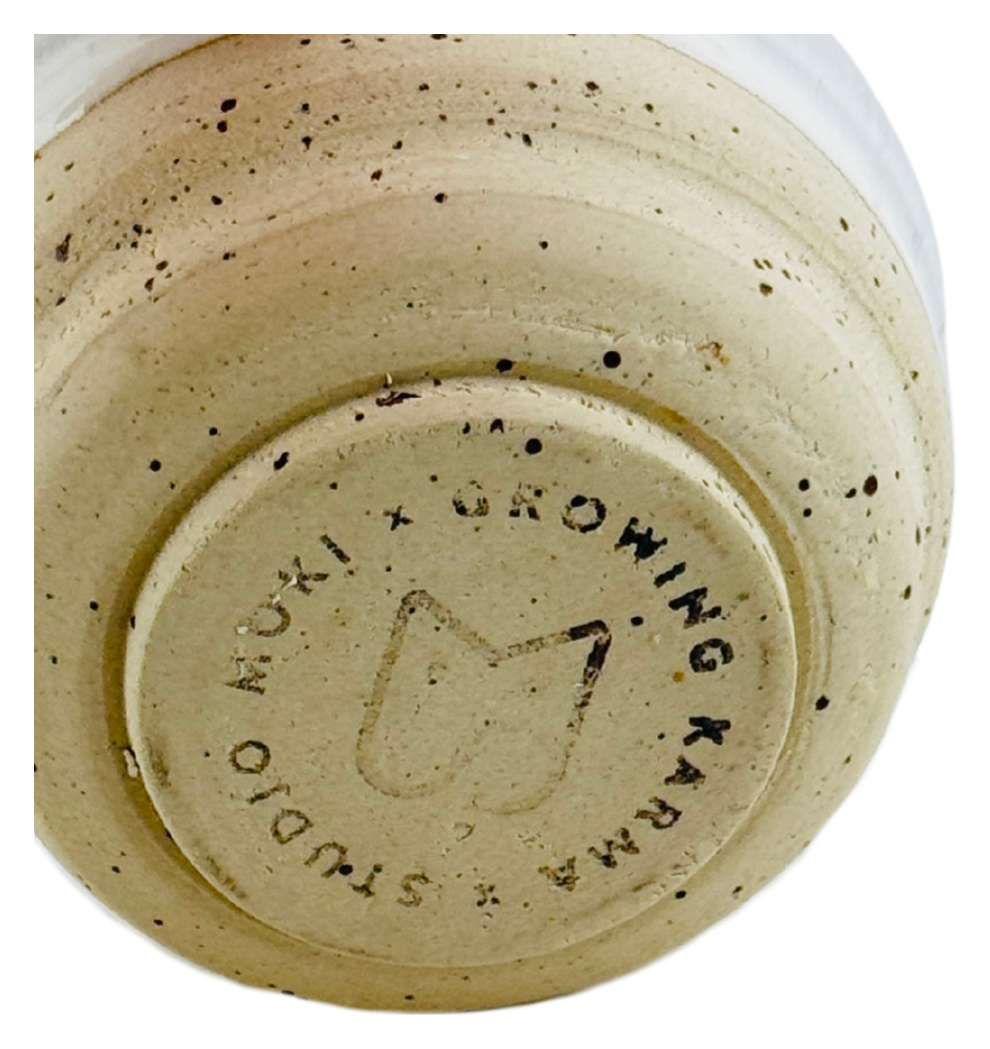

Kasumi – a handmade tea bowl in gentle natural tones Some beauty unfolds slowly: in subtle glaze transitions, natural materials and a shape that has been part of Japanese tea culture for centuries. That is what Kasumi, the Japanese word for soft morning mist, represents.… Read more


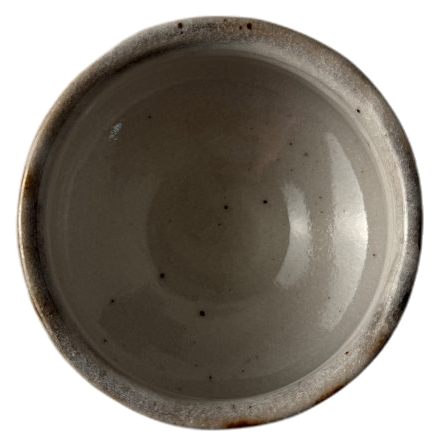


Japanese tea aesthetics you can touch: Enshō matcha bowl from the Enshō kilns This matcha bowl, traditionally called matchawan, is a true one-of-a-kind piece: handmade in Japan from original ceramic, with a unique marbled appearance and subtle, irregular patches reminiscent of weathered stones. Its distinctive shape – han tsutsu-gata (半筒型), or half-cylindrical – gives it an understated elegance and makes it comfortably substantial in the hand. An expression of Japanese craftsmanship in a marbled finish The surface is vividly textured and features a running glaze that changes subtly in the light. What appears at first glance to be a stylized natural phenomenon is in fact the result of centuries-old recipes and craftsmanship, still practiced in only a few workshops in Japan. The kaijiri kodai (貝尻高台), a rare spiral foot, gives the bowl a subtle architectural accent – almost like a signature in the clay. A matcha vessel with history and provenance This matcha bowl comes from one of the traditional Enshō kilns, where ceramic knowledge has been passed down through generations. It was won at auction directly in Japan by a member of the Growing Karma team – no middleman, no replica, but a find with a past. It is an original vintage matcha bowl that is not only a visual highlight but also tangibly deepens the ritual of the tea ceremony. Tactile feel, shape, and weight in harmony With a diameter of 11.5 cm, a height of 8 cm, and a weight of 447 grams, the matcha bowl sits securely and comfortably in the hand. The uneven surface not only enhances the sense of authenticity but also ensures that the chasen – the bamboo whisk – can be guided precisely when preparing matcha. The distinctive depth of the shape also helps the fine foam develop. Signed wooden box included This matcha bowl comes in an original wooden box signed by the potter – a traditional packaging that not only provides protection but also expresses respect for the work. An enclosed certificate provides information about its origin and the workshop, translated in spirit and featuring a note on the traditional Momoyama pottery style to which the work refers. For connoisseurs with a sense of authenticity Whether as a matcha bowl, matcha bowl, or elegant vessel for matcha – this piece of Japanese ceramic art brings depth to your tea ceremony. The precision of its craftsmanship, the interplay of glaze and surface, the tangible history of the material: all this makes it a truly special companion on your tea journey. And anyone who has held it in their hand immediately feels it – this is not about perfection, but about expression, history, and character. This bowl is part of a tradition of tea enjoyment that has been carefully maintained for generations.… Read more


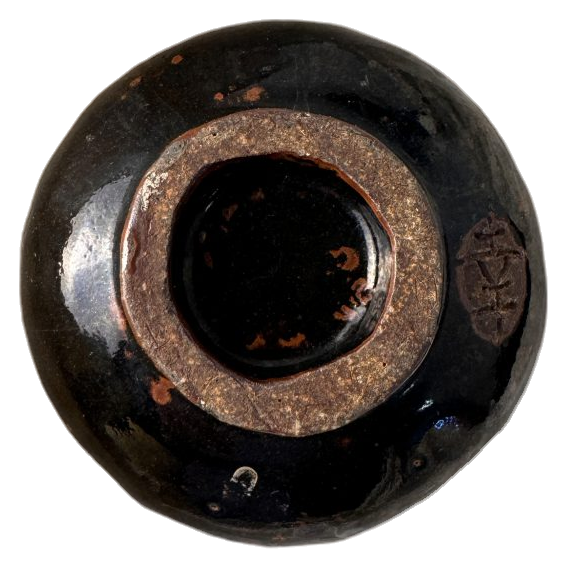


Deeply Rooted in Tradition: A Goki-gata Matcha Bowl A soft black, streaked with ochre inclusions that appear to be scattered randomly across the glaze – this matcha bowl is not merely a tea vessel, but an expression of the finest Japanese ceramic art. Crafted in the elegant Goki-gata form (呉記型), it exudes a quiet strength that perfectly complements the mindful serenity of a matcha ceremony. Unique Aesthetic: Black Meets Ochre The surface of this chawan thrives on contrast. The deep black tone appears soft and warm, almost velvety. It is punctuated by ochre speckles that gather particularly along the rim – as if the fire itself had left its mark. This interplay of color and texture makes each bowl a unique work of art. Handcrafted – Every Piece an Original This matcha bowl was shaped, fired, and glazed by hand in Japan. Small variations in form or color are not flaws, but visible proof of its uniqueness. The artist's stamp on the base certifies its origin – and makes it an original piece of genuine Japanese craftsmanship. Dimensions and Form: Tradition Meets Everyday Use With a diameter of 11.5 cm and a height of 7.5 cm, the Goki-gata bowl rests comfortably in the hand. Its form is classic yet unconstrained – ideal for rhythmically whisking matcha with a chasen. The wide opening encourages the development of tea foam, while the base remains secure and stable. Origins in Ancient China – Refined in Japan The form of this bowl dates back to early Chinese prototypes that made their way to Japan as early as the 13th century. Over generations, they were further developed there and adapted to the specific needs of the Japanese tea ceremony. The result: a form that exudes serenity while remaining focused on functionality. For Your Personal Tea Ritual Whether you immerse yourself in the formal practice of the tea ceremony or simply wish to mindfully enjoy a bowl of matcha – with this Goki-gata matcha bowl, you are choosing a vessel with history and character. Its surface appears almost meditative, while its tactile quality supports the mindfulness of the moment. Care Instructions Please clean the bowl by hand only – using only lukewarm water, without detergent. Careful maintenance will preserve the glaze and the distinctive surface of this handcrafted piece for many years. Sudden temperature changes should also be avoided. A Unique Piece for Your Tea Journey When you hold this chawan in your hands, you can feel its substance, its history, and its quiet expressive power. It is not only part of your tea ritual – it accompanies you on your own unique journey through the world of matcha. This bowl is part of a tradition of tea enjoyment that has been carefully nurtured for generations.… Read more


A Matcha bowl like no other – handcrafted in Japan Some pieces tell stories without a single word. This matcha bowl in the han tsutsu-gata (半筒型) form does exactly that – with every line, every gleam, every nuance of its glaze. Crafted in a classic half-cylinder shape and featuring a wa kodai (輪高台) ring foot, it brings not only stability and functionality but also the quiet expression of Japanese aesthetics into your everyday life. Amber beauty with soul The warm amber tone of this matcha bowl is broken by a fascinating pattern: whitish-blue veins run across the surface like ocean waves – like sea spray breaking against a rock. No element of it appears accidental. Everything about this bowl was consciously designed, every detail fired into a material that carries history. A true one-of-a-kind piece – vintage vessel for matcha This matcha bowl is a carefully selected unique piece. Our colleague in Japan discovered it personally – a find that we were delighted to add to our collection. The tea bowl comes from a small ceramics studio and was crafted in the traditional raku style. Every irregularity is intentional and contributes to its unique character. Perfect dimensions for your matcha ritual With a diameter of 10.5 cm, a height of 8.5 cm, and a weight of 449 grams, the bowl feels pleasantly substantial in your hand. Especially when preparing matcha, you can see how its shape, weight, and proportions work together harmoniously. The sturdy ring foot ensures a secure stand – whether you are whisking your matcha or drinking it slowly. More than function – a matcha bowl with character This bowl is more than a vessel for matcha. It is an expression of mindfulness, clarity, and appreciation – for the tea, the moment, and the craftsmanship. The half-height cylindrical shape allows the foam to develop evenly. You will feel it when the creamy green contrasts against the rough, amber surface. Care with respect Please clean the bowl exclusively with lukewarm water – without detergent and away from the dishwasher. Raku ceramics live through their character, and this will remain with you for a long time if you treat it with care. Sudden temperature changes should also be avoided so that the glaze is preserved in its full splendor. Japanese ceramic art, felt right down to your fingertips When you touch this matcha bowl for the first time, you will understand: It is not just about tea. It is about connection – to the earth, to the water, to the stillness. This vessel for matcha carries Japanese history within it. And perhaps it will soon become part of your own. This bowl stands in a tradition of tea enjoyment that has been cherished for generations.… Read more


Japanese one-of-a-kind in Han tsutsu-gata form: Your matcha bowl for authentic rituals This extraordinary matcha bowl from the Ensho pottery studio in Kyoto is far more than a vessel – it is a work of art. Crafted in the classic Han tsutsu-gata form and featuring a spiral-shaped kodai (貝尻高台), it combines delicate design with functional depth. The floral patterns in soft grey-blue on silky white radiate an almost meditative calm – perfect for your personal matcha moment. Made for preparing matcha: Weight, shape, and feel Measuring 11.5 x 8.5 cm and weighing 426 grams, this matcha bowl fits comfortably in the hand. The balanced ratio of height to diameter supports even whisking of the tea with the chasen. The distinctive kaijiri kodai provides stability and gives the bowl its organic appearance. Ideal as a vessel for matcha that feels more familiar with every use. Original from Kyoto: Matcha bowl with character and heritage This matcha bowl comes directly from Japan and was acquired at auction on site by one of our staff members – complete with a signed wooden box, certificate, and accompanying cloth. Every bowl is a one-of-a-kind piece and bears the unmistakable signature of its potter. The glazing technique and color palette follow the Momoyama aesthetic, an art-historical movement known for its sensual visual language. The story behind it: Ensho pottery and Momoyama art The Ensho pottery studio in Kyoto preserves centuries-old knowledge dating back to the Momoyama period. Vessels such as this chawan draw on the rich formal vocabulary of Shino, Kiseto, and Oribe. The glazes used employ techniques that were originally developed specifically for tea vessels – deliberately understated in color, yet full of depth and symbolism. This bowl is part of a living heritage that masterfully combines tradition and the present. An experience for the hands and eyes – your personal matcha bowl The surface of this matcha bowl is silky matte, smooth, yet distinctly handmade. The subtle variations in color and texture are created by the traditional firing process. Every use thus becomes a ritual: from the gentle pouring to the final sip. Whether for matcha, other teas, or simply as an object of contemplative beauty – this bowl brings a special atmosphere to your everyday life. Care and storage instructions To preserve the special glaze and form of this authentic Japanese matcha bowl, you should clean it exclusively with clear, lukewarm water. Avoid soap or dishwashing liquid and refrain from sudden temperature changes. Ideally, store the bowl in its wooden box – this not only keeps it protected but also ensures it remains a constant reminder of a special tea culture. A handmade vessel for matcha – and for you This matcha bowl is not a mass-produced product, but the result of years of experience, design maturity, and artisanal dedication. When you hold it in your hands, you will feel the difference – in its balance, its surface, its sound. And perhaps it will become not only your new vessel for matcha, but also a quiet companion for mindful moments. This bowl represents a tradition of tea enjoyment that has been carefully nurtured for generations.… Read more
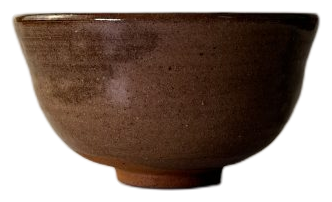
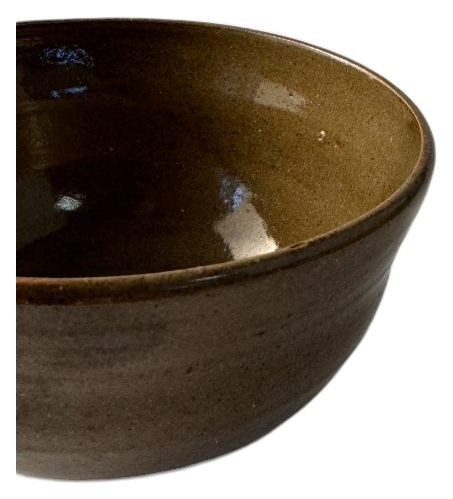
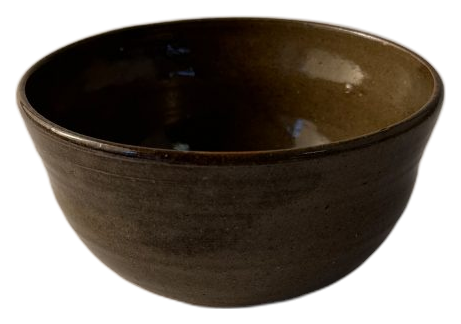

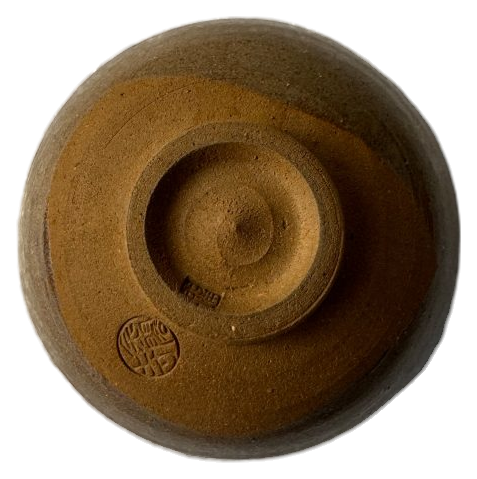
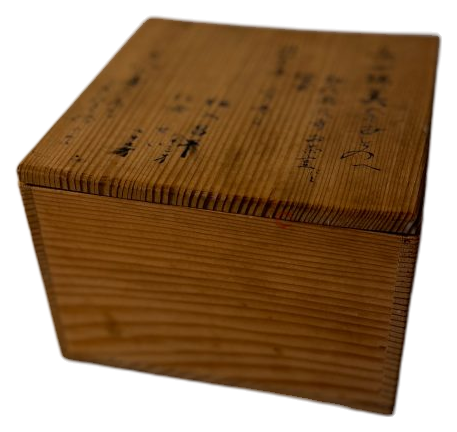
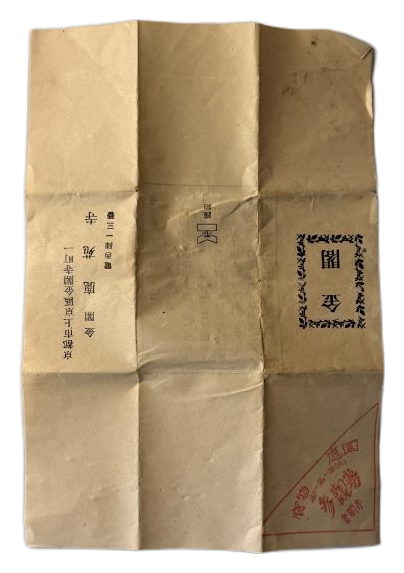


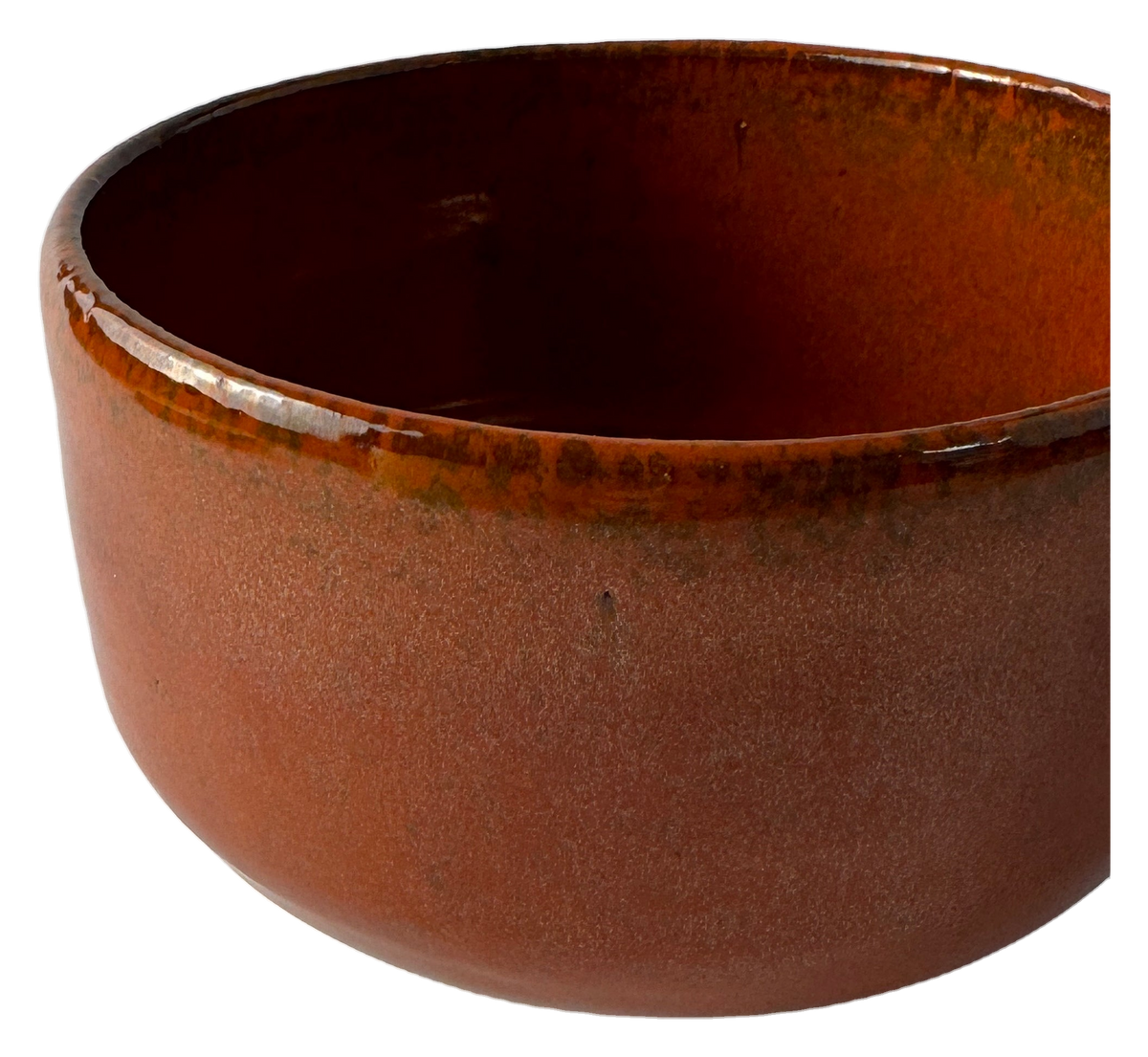


A Matcha Bowl with History – Unique Piece from Rokuon-ji Temple Some tea vessels do not just hold matcha – they hold history. This extraordinary matcha bowl, crafted in the rare Komogai-nari form, dates back to 1951 and was once gifted by the monk Murakami Jikai of the Golden Temple Rokuon-ji. A true one-of-a-kind piece that impresses not only with its origin, but also with its presence. Vintage Matcha Bowl in Komogai-nari Form The bowl measures 12.5 cm in diameter, stands 7 cm high, and feels comfortably light in the hand at 192 grams – ideal for your matcha ritual. The distinctive Tokin Kodai (兜巾), a helmet-shaped foot, gives the bowl character and a stable base. The balanced proportions and classic design ensure that the matcha foam can unfold evenly – just as the tea ceremony requires. Matcha Bowl with Spiritual Origins This matcha bowl is more than a functional vessel for matcha: it is a symbol of gratitude. It was gifted to supporters after the reconstruction of the famous Rokuon-ji Temple (also known as Kinkaku-ji). The accompanying document that comes with this matcha bowl mentions its presentation to a granddaughter named Minako – a personal connection that underscores the depth of this object. Handcrafted, Signed, Preserved The fine brown hue of the glaze shifts in the light, giving the surface a calm, earthy presence. Every irregularity in the texture bears witness to traditional craftsmanship. The bowl comes in an original signed wooden box, as is customary in Japan for valuable unique pieces. A Buddhist coin is also included – a small piece of spiritual history. A Vessel for Matcha with a Soul Whether you use this vintage bowl to prepare your matcha or collect it as a cultural object – it invites you to immerse yourself more deeply. In the art of the tea ceremony. In the heritage of Buddhist hospitality. In the quiet ritual that transforms a simple matcha bowl into a place of mindfulness. Cherish it carefully, clean it only with lukewarm water, and keep it away from rapid temperature changes – this way, you preserve not only the glaze, but also the history it carries. This bowl stands in a tradition of tea enjoyment that has been cherished for generations.… Read more

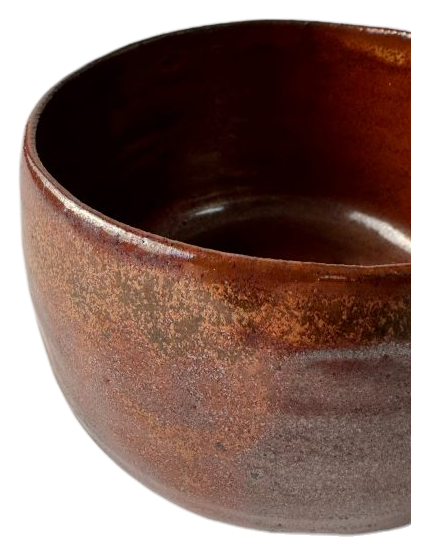


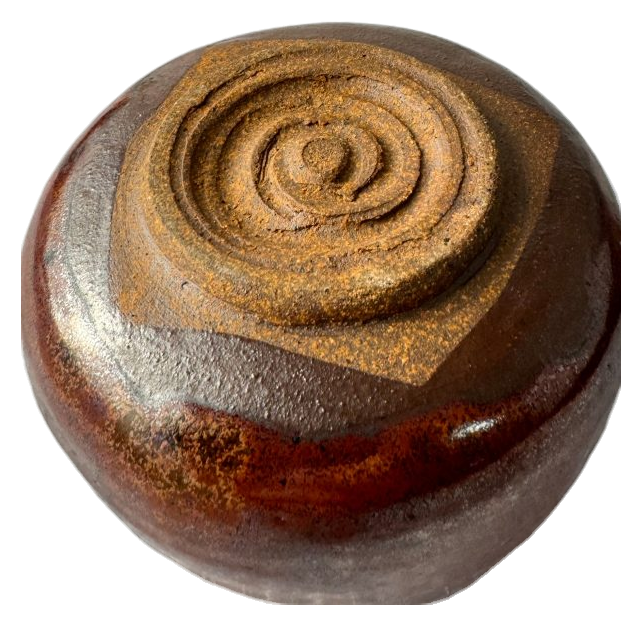
A Vessel with History – More Than a Matcha Cup This matcha bowl is a unique, handcrafted piece from Japan that combines the traditional Han tsutsu-gata shape with a distinctive rust-brown, ash-like appearance. Every line and nuance tells the story of centuries-old Japanese ceramic artistry. Exquisite Craftsmanship With a diameter of 10.5 cm, a height of 7.5 cm, and a weight of 379 grams, this chawan rests comfortably in the hand. The spiral shell Fu Kaijiri Kodai (貝尻高台) foot not only provides stability but also gives the bowl a distinctive aesthetic. A Glaze That Captivates The meticulously crafted rust-brown glaze with an ash-like appearance gives the bowl a vibrant texture that subtly shifts in the light. Each bowl is a unique piece, distinguished by its color and texture. For the Perfect Matcha Preparation Whether you whisk matcha with a chasen or enjoy another tea in it, the interplay of form, material, and weight makes this bowl a truly special experience. Its soft, almost velvety surface feels pleasant and rests securely in the hand. Care Instructions Please clean the bowl exclusively with lukewarm water – without soap or detergent – to protect the glaze. Sudden temperature changes should also be avoided. This is how you preserve the beauty of this unique piece for many years. This bowl is part of a tradition of tea enjoyment that has been cherished for generations.… Read more

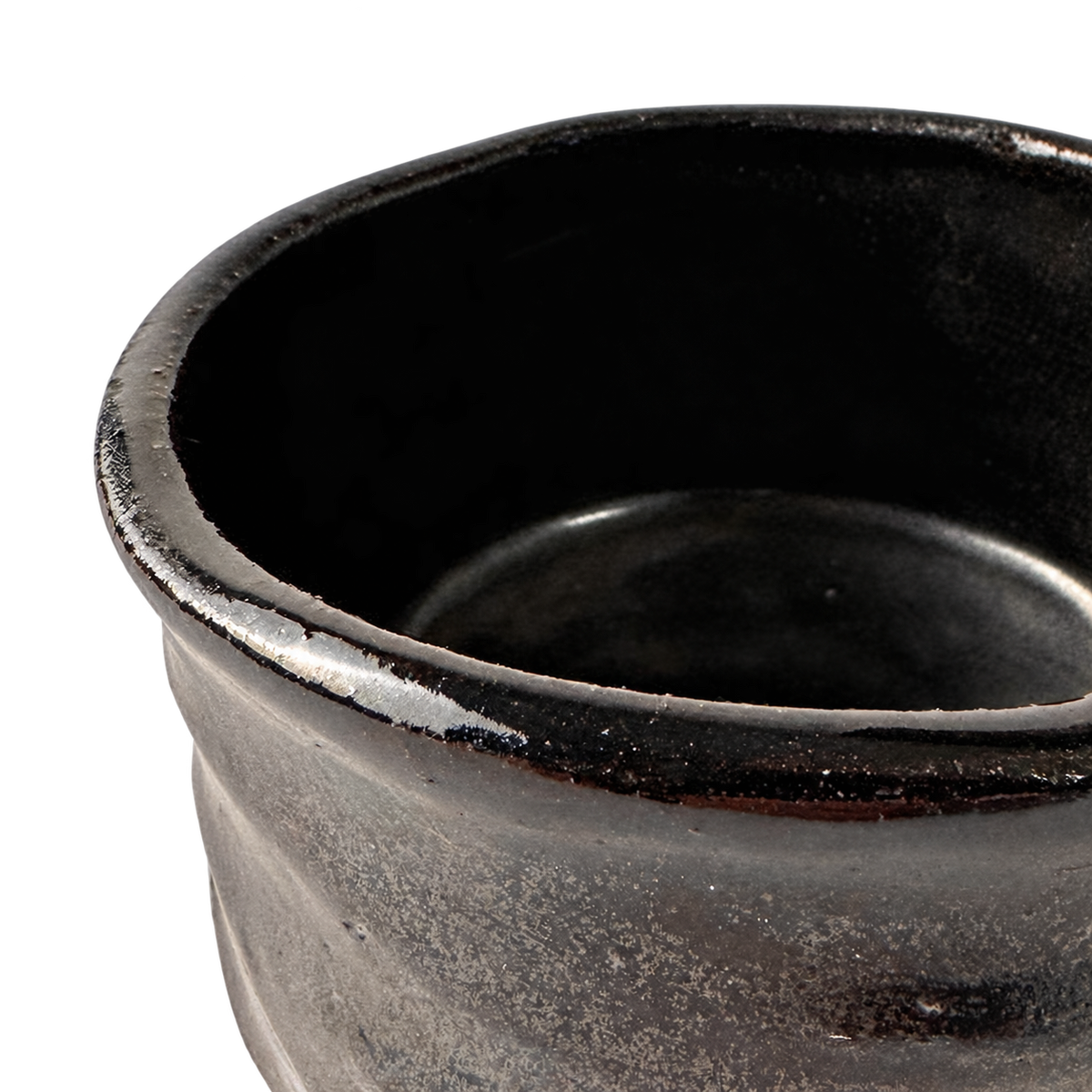
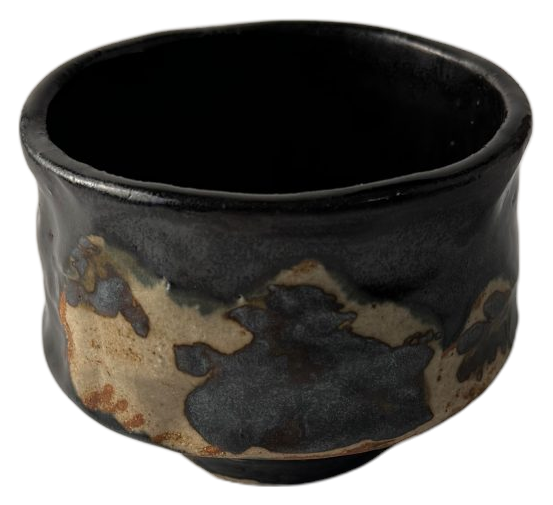
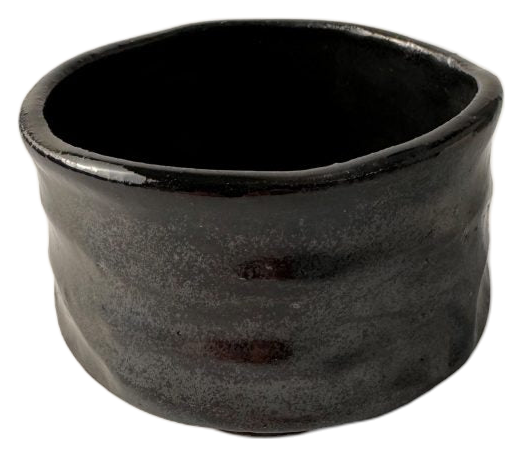
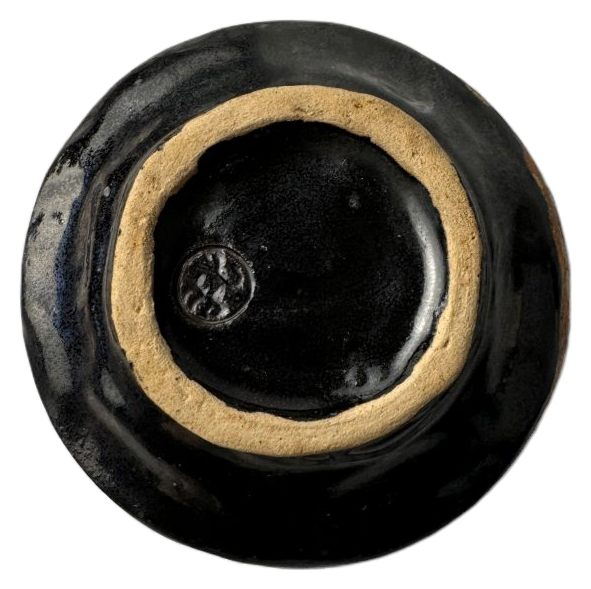
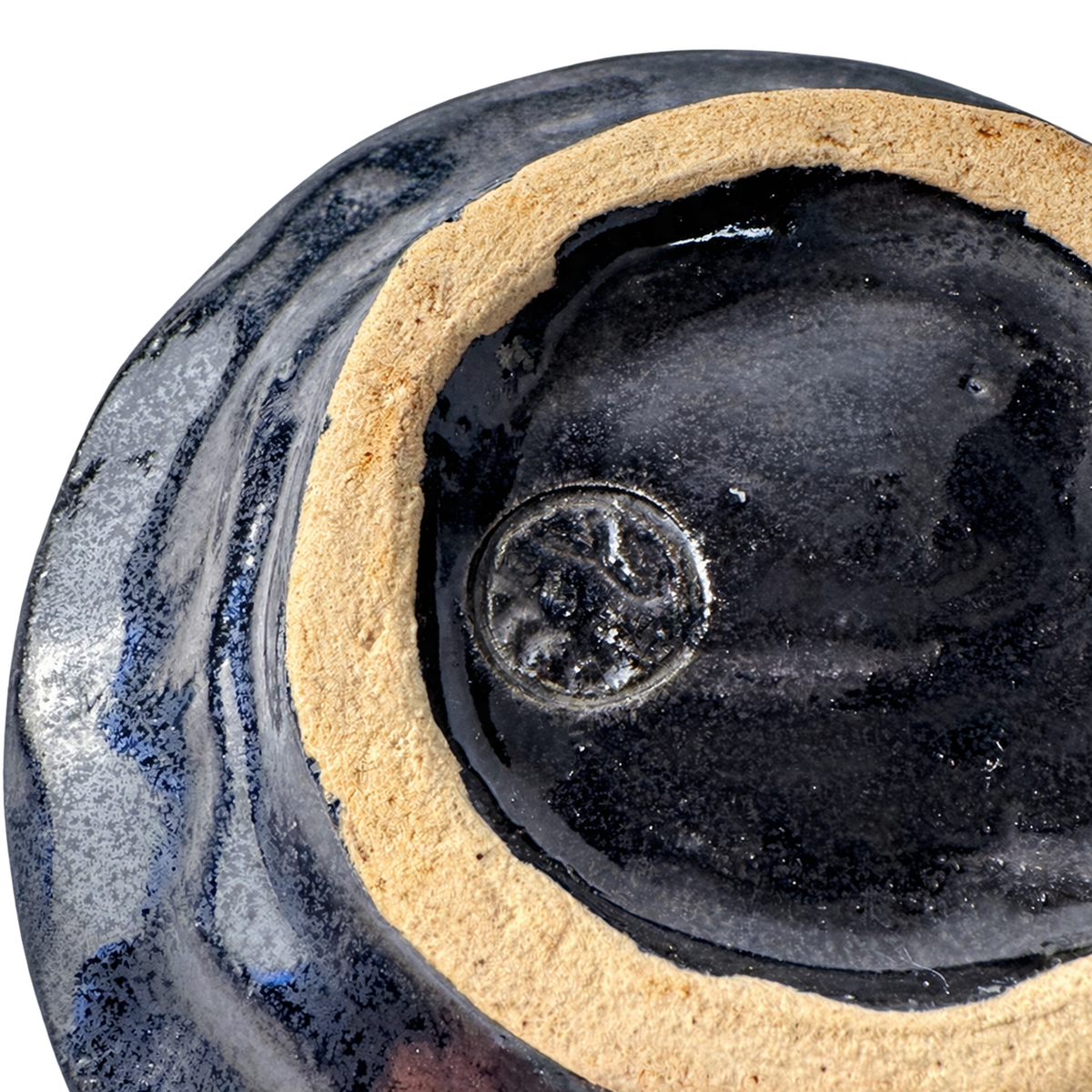
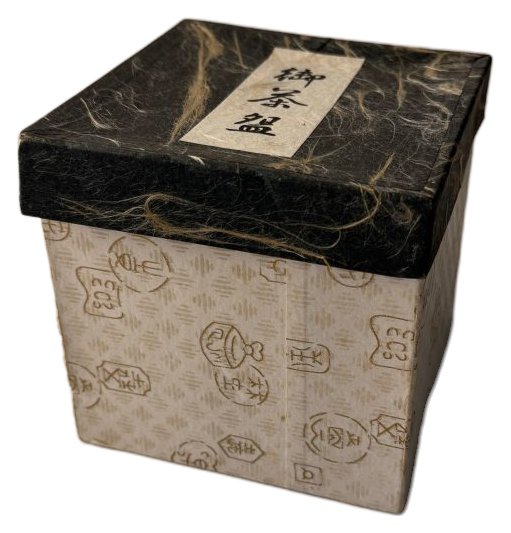
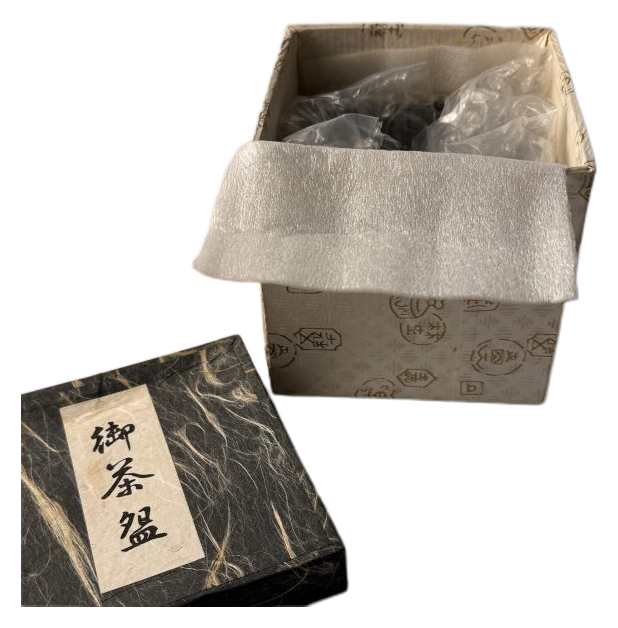
Expressive Matcha Bowl in the Traditional Japanese Han Tsutsu-gata Form Dark, textured, and expressive – this matcha bowl named “Stone Shadow” takes the traditional Japanese tea vessel to new heights. Handcrafted in Japan in the classic Han tsutsu-gata form (半筒型), it captivates with a surface reminiscent of weathered stone, shot through with rust-brown inclusions and a metallic shimmer that changes vividly depending on the light. This chawan is more than just a vessel for matcha – it is an expression of true craftsmanship and lived aesthetics. Compact Dimensions and a Perfect Grip for the Tea Ceremony Measuring 10.5 x 8 cm and weighing 362 g, it lies exceptionally comfortably in the hand – not too heavy, not too light, just right for the meditative preparation of matcha. The classic ring foot, Wa Kodai (輪高台), ensures stability and balanced handling, while the slightly irregular shape deliberately reveals the traces of human craftsmanship: every line tells of the potter’s wheel, the heat of the kiln, and the vision and touch of the ceramic master. A Play of Black, Stone, and Metal – Every Matcha Bowl is Unique The color scheme invites closer inspection. A black-blue base tone is shot through with a stone-colored to rusty pattern – almost like oxidation on metal. This matcha bowl has a visual depth that is difficult to put into words. Depending on the light and viewing angle, it appears angular, then again soft, mysterious, and earthy. Once you hold it in your hands, you immediately realize: material and form merge here into an object that intensifies the moment of drinking tea. Functionality Meets Aesthetics: Your New Matcha Bowl And that is exactly what it was made for. As a matcha bowl for traditional whisking with the chasen – but also as a small tea bowl for other varieties or as a vessel for small rituals in which form and function work together. Its slightly rough, almost organic-looking surface makes holding it particularly pleasant. The tea is not simply drunk – it is celebrated. Handcrafted Originality from Japan This handcrafted matcha bowl comes from a Japanese pottery studio, is a genuine vintage piece, and bears the artist’s stamp as a mark of its origin. Delivered in its original box, it brings not only function but also history. For collectors, tea connoisseurs, or anyone who wants to consciously take time for a good moment. This bowl stands in a tradition of tea enjoyment that has been carefully nurtured for generations.… Read more
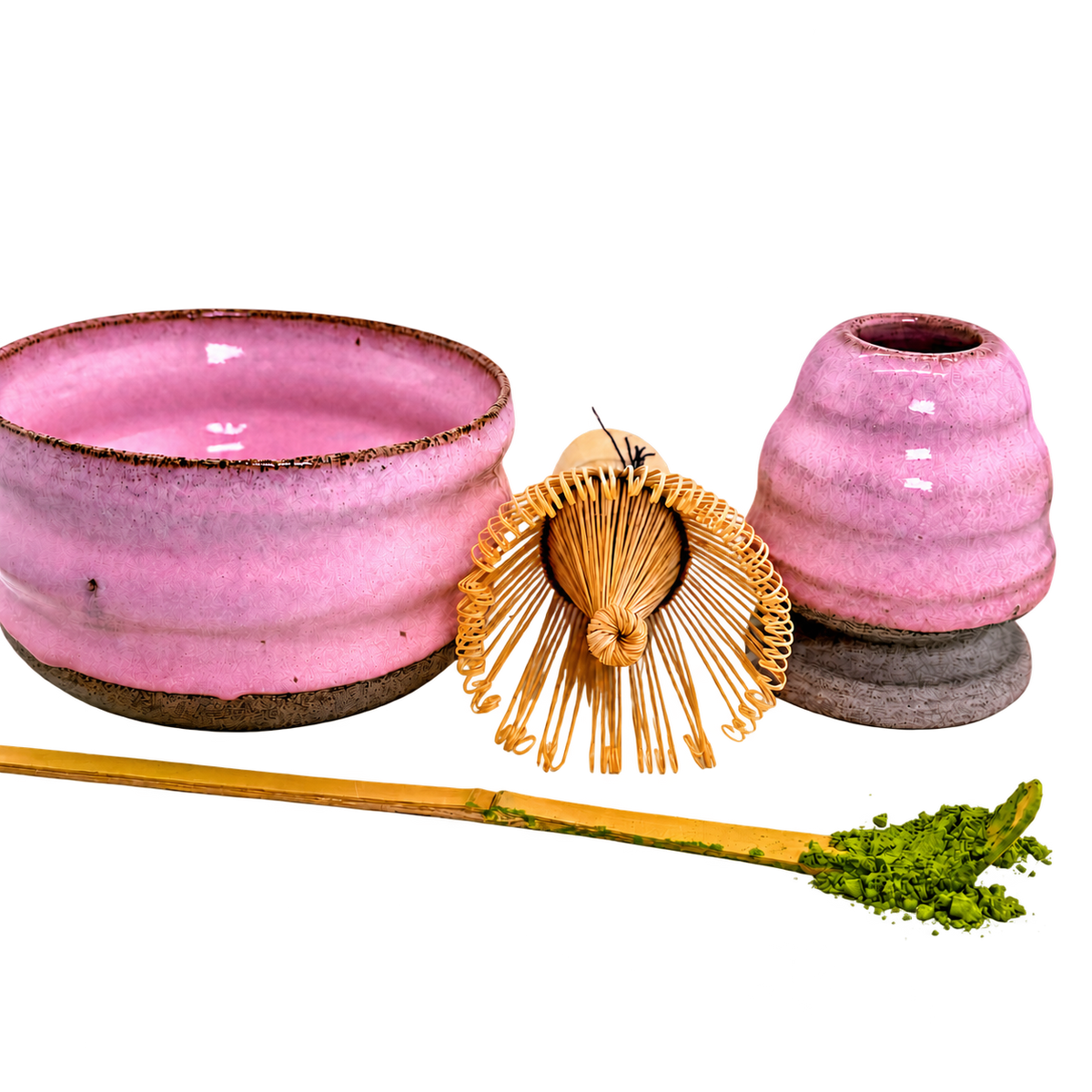
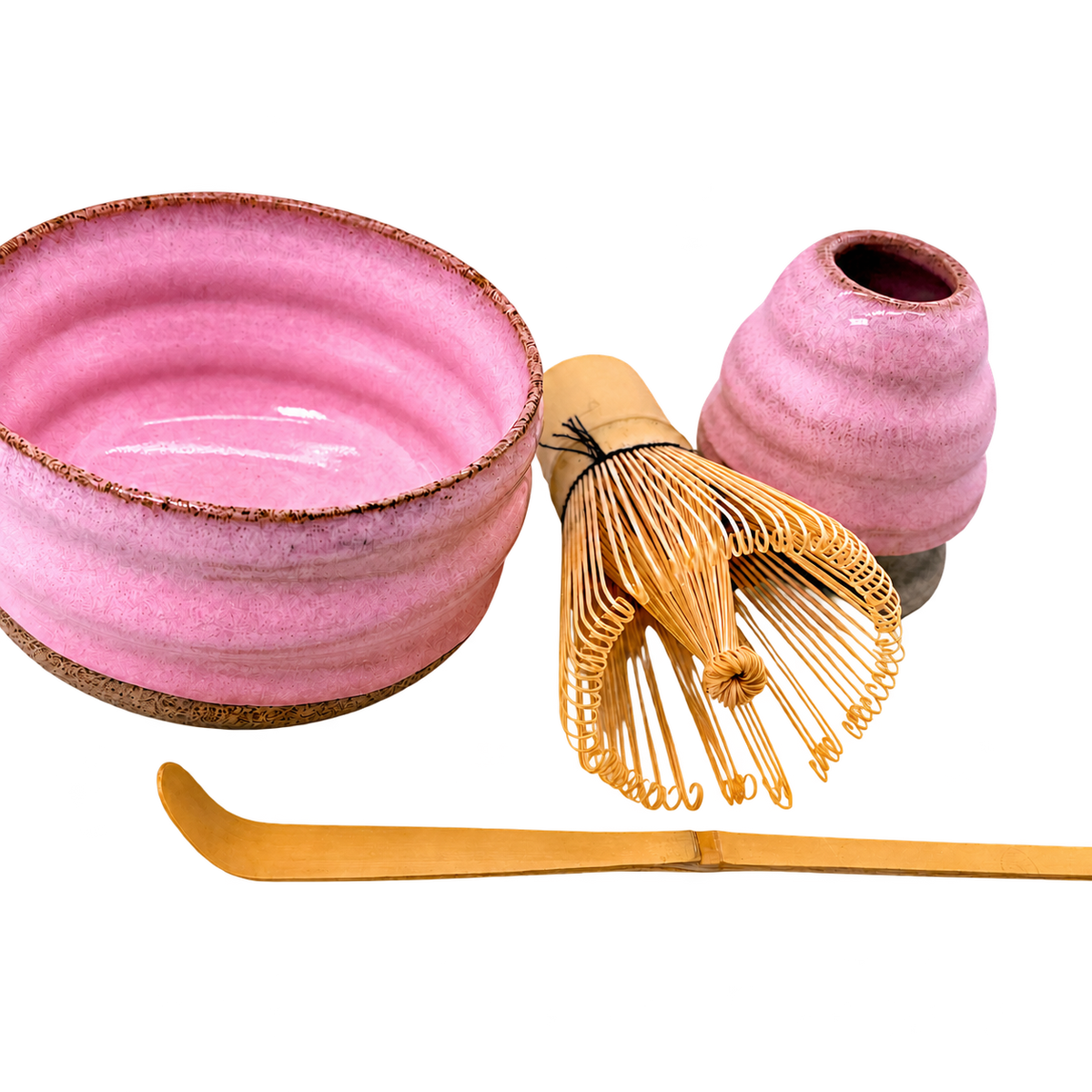
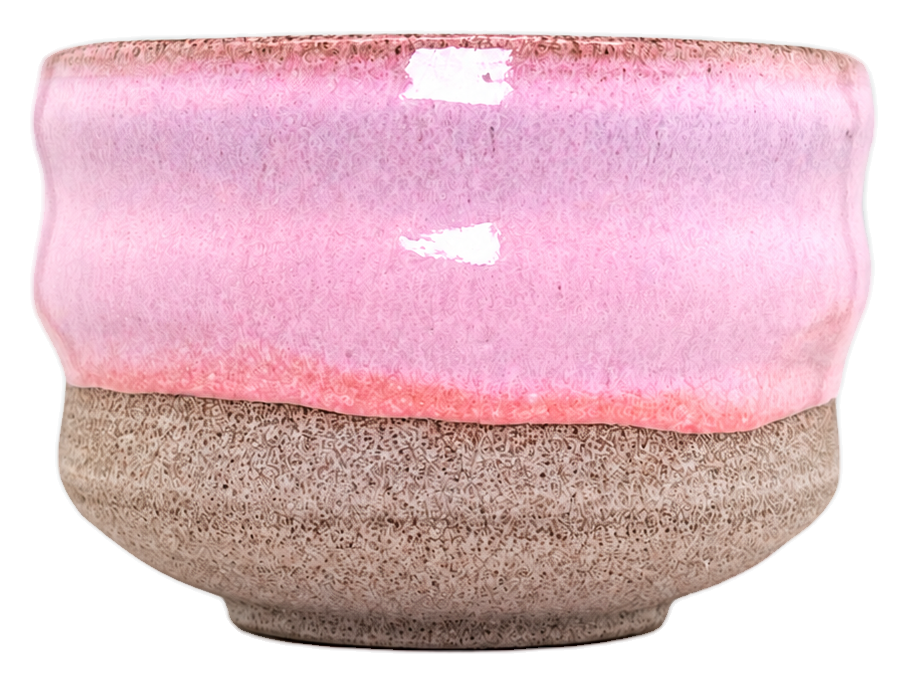
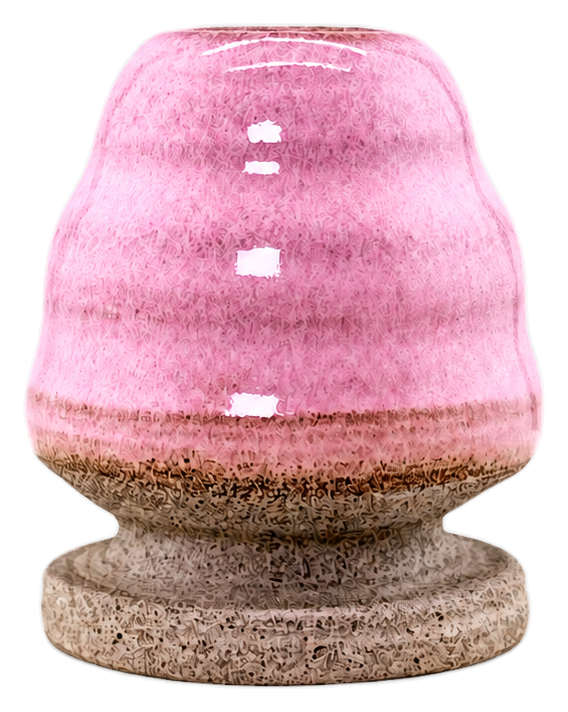
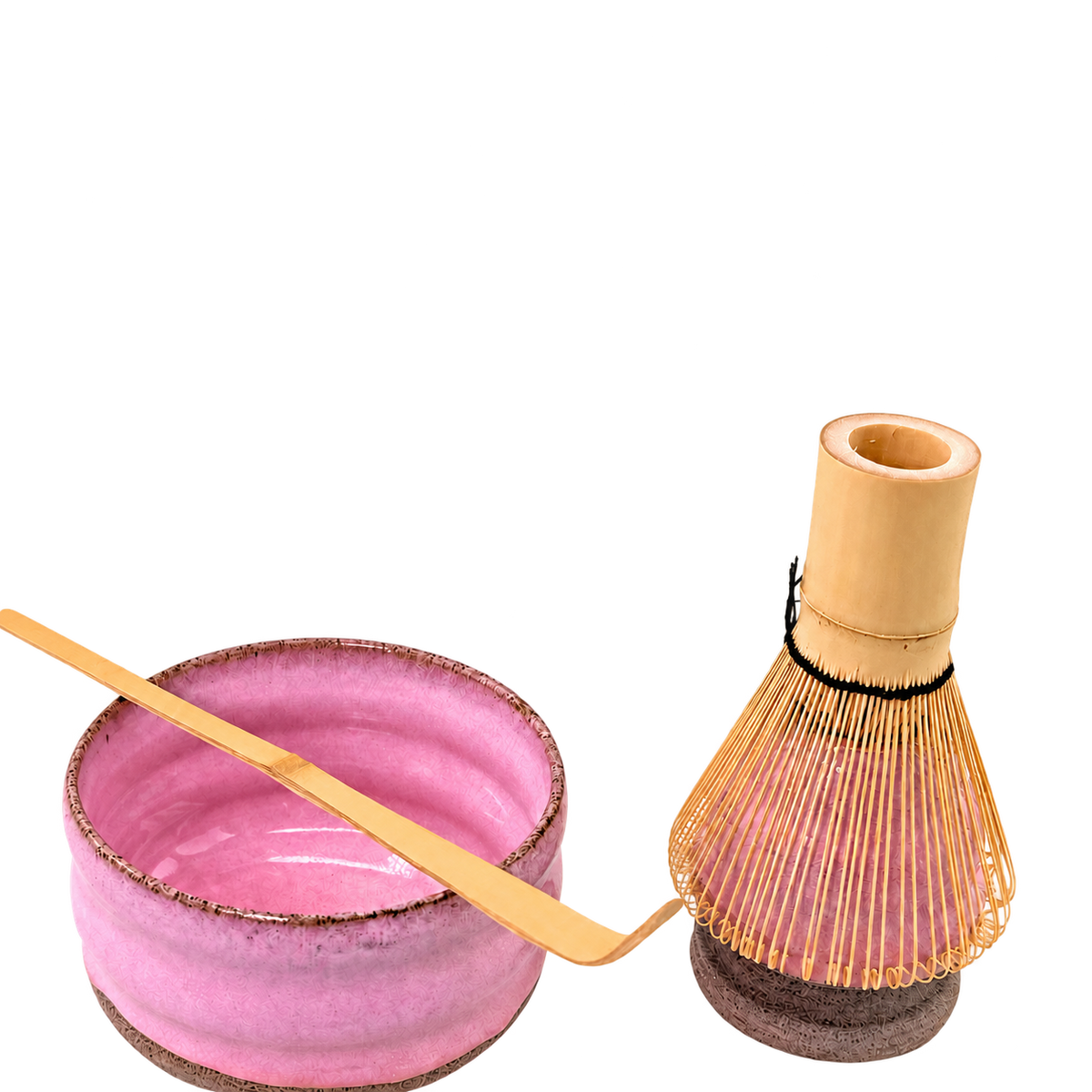
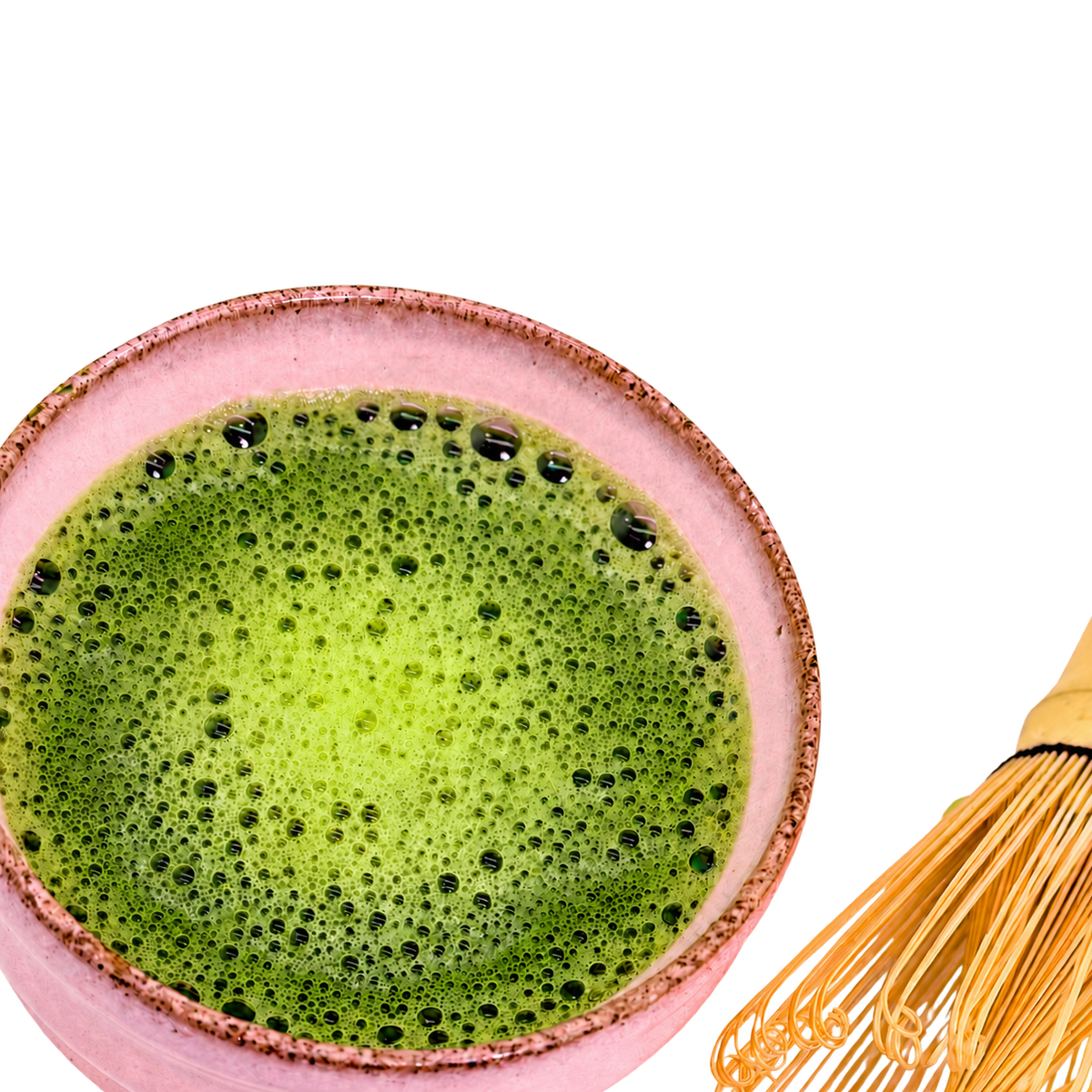
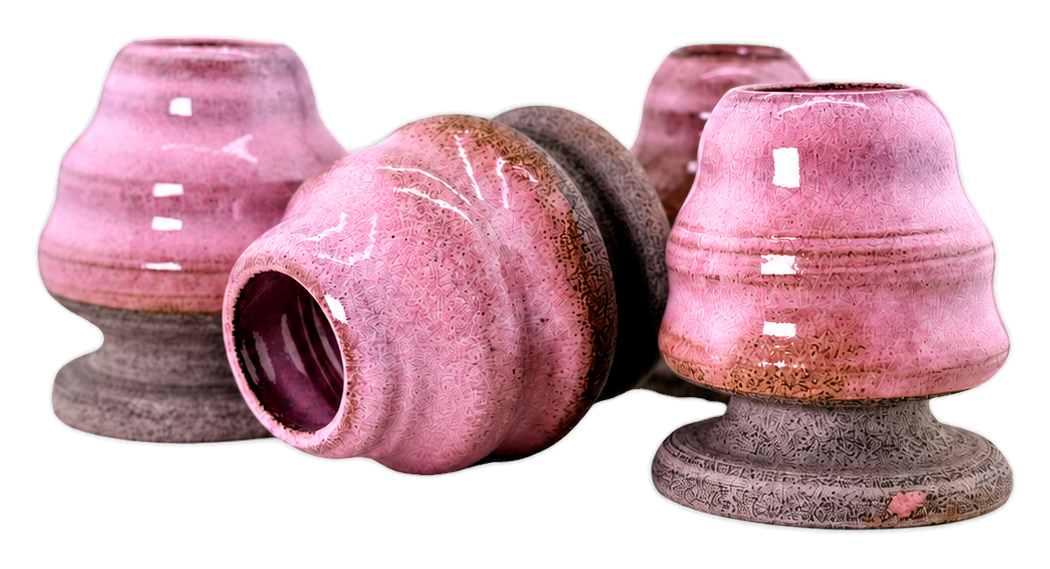
Sakura Matcha Set – Your Ritual Begins Here Four Components, One Harmonious Matcha Experience The Sakura Matcha Set brings everything you need to prepare matcha in style right to your home – authentic, high-quality, and perfectly balanced. The set includes a traditional bamboo matcha whisk (Chasen), an elegant matcha scoop (Chashaku) for precise measuring, a handcrafted Sakura matcha bowl with a delicate blossom relief, and the matching “Yasume” whisk holder for proper storage. This transforms tea preparation into a mindful ritual. Design Meets Tradition: The Sakura Edition What makes this matcha set special is the interplay between functionality and aesthetics. The bowl is inspired by the Japanese cherry blossom – a symbol of transience and beauty – and brings lightness and elegance to your tea table. The “Yasume” whisk holder in soft rose protects your whisk while serving as a decorative highlight in your tea corner. Why a Complete Matcha Set Makes a Difference Each component plays an important role: the Chasen creates the perfect froth, the Chashaku measures precisely, the bowl brings depth and tranquility to the ritual, and the holder preserves the whisk’s shape. When everything is perfectly coordinated, you enter a state of flow – you will notice how your approach to matcha changes. The Sakura Matcha Set makes your introduction to the world of matcha effortless and stylish. A Matcha Set for Moments That Last Whether you want to start your day in the morning or unwind in the evening – this matcha set is there for you. It provides not only the tools but also a space for mindfulness. Inspired by the Japanese tea ceremony, crafted with an eye for detail, and designed for people like you who seek something special. Growing Karma – Experts in Matcha & Tea Plants At Growing Karma, we live and love Camellia sinensis. As pioneers of tea cultivation in Germany, we combine artisanal expertise with a genuine passion for tea. The Sakura Matcha Set reflects this commitment: high-quality, carefully assembled, and curated with great dedication. You can feel it in every step. The bowl included in the set, crafted in collaboration with Studio Moki, is food-safe, dishwasher-safe, and suitable for daily enjoyment.… Read more
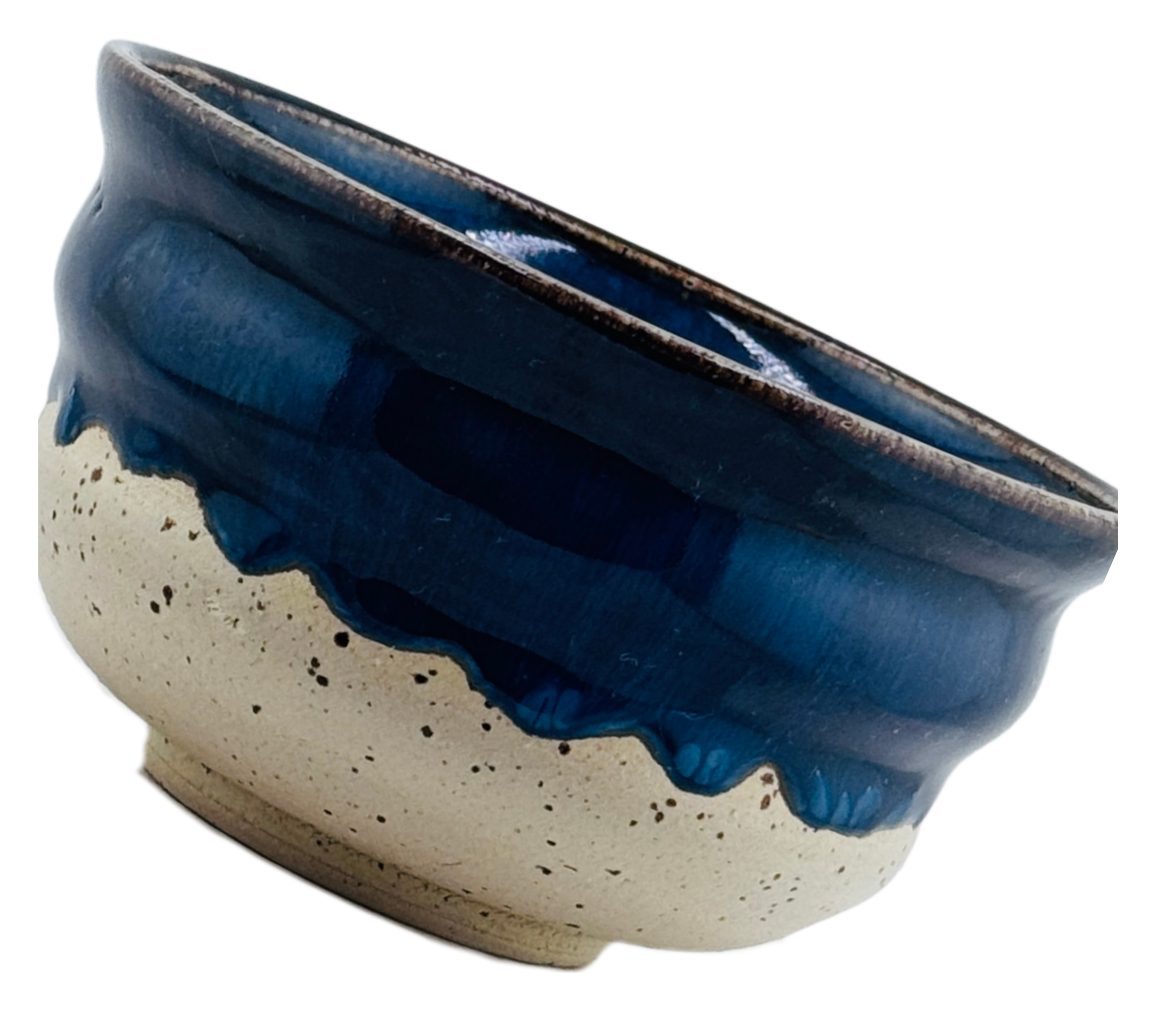
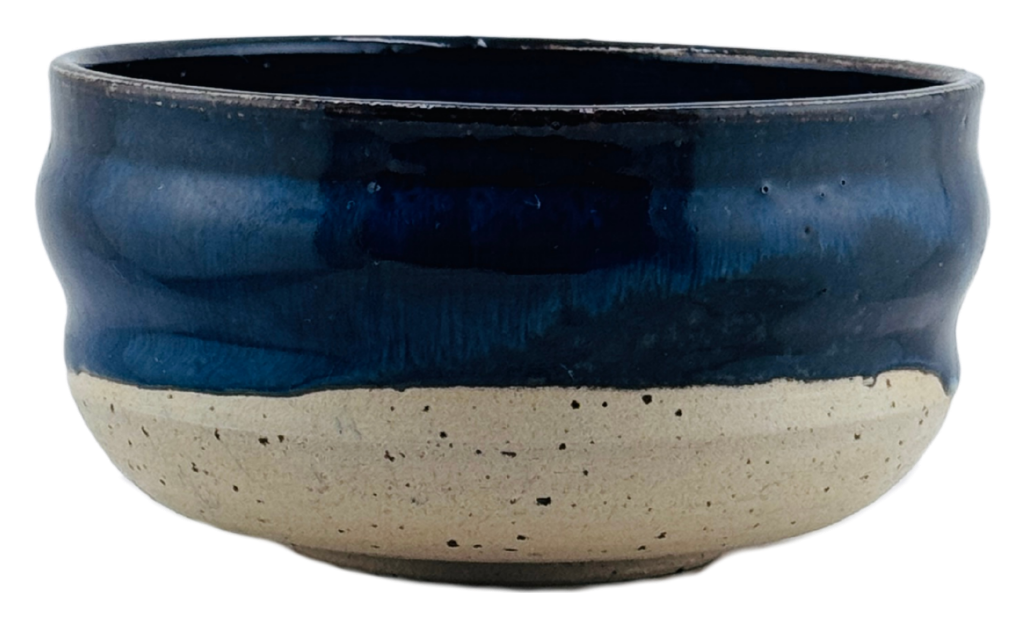
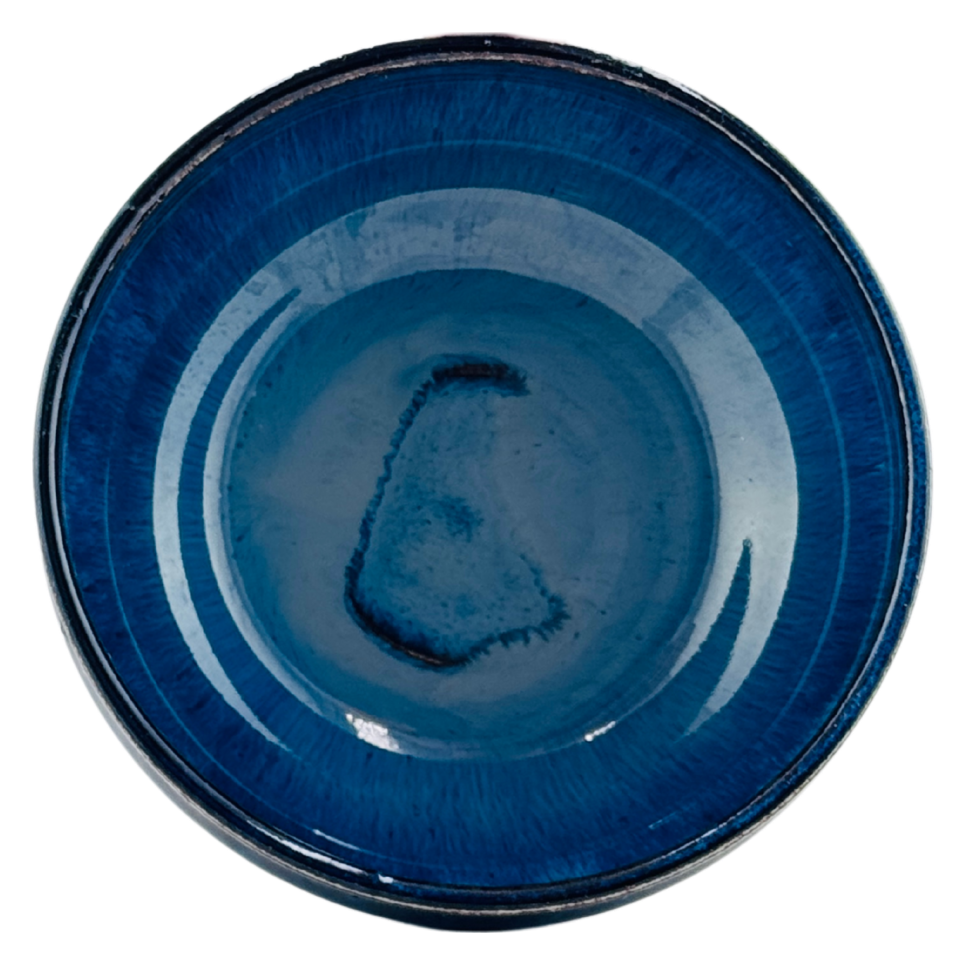
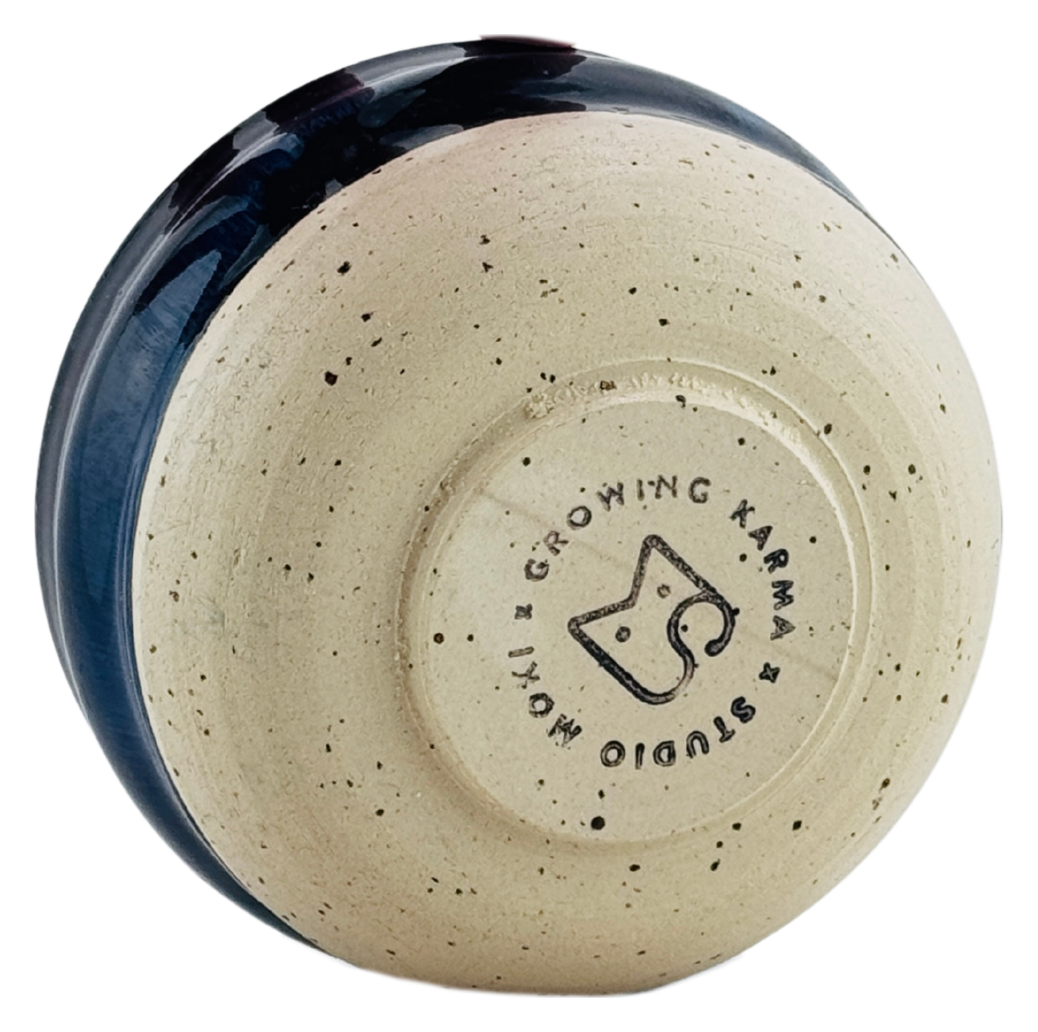
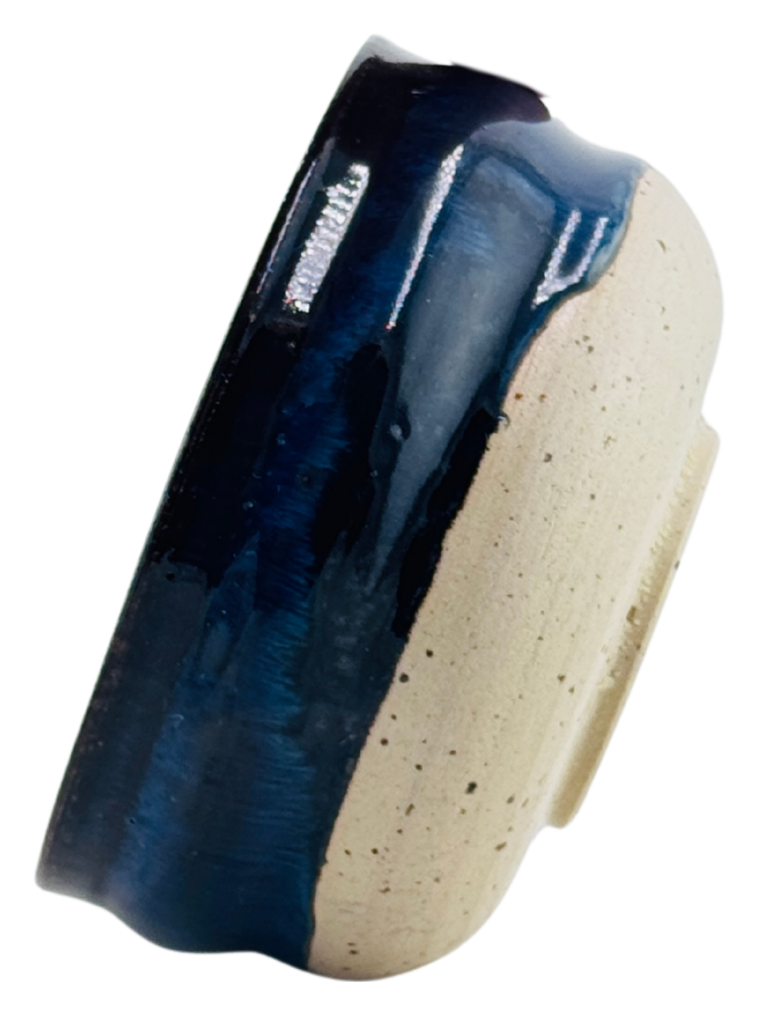
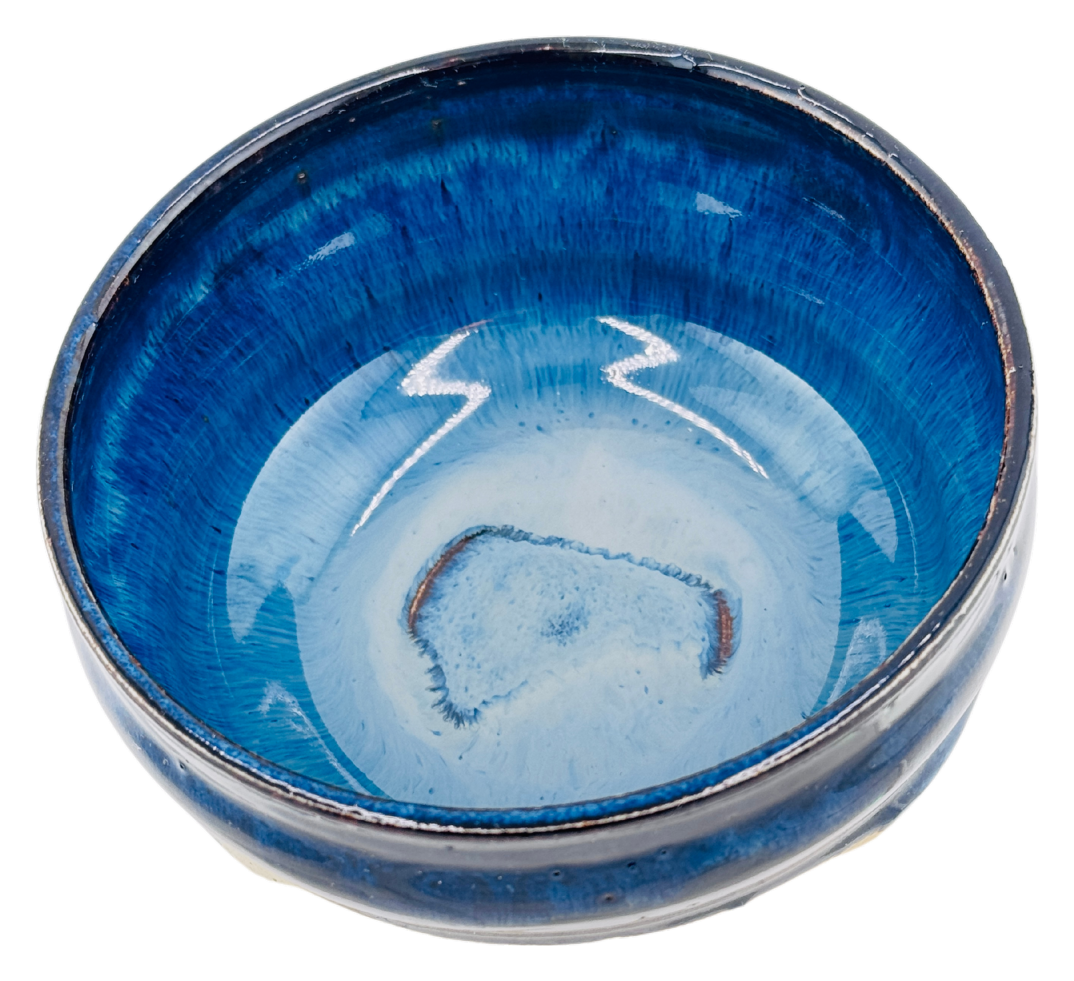
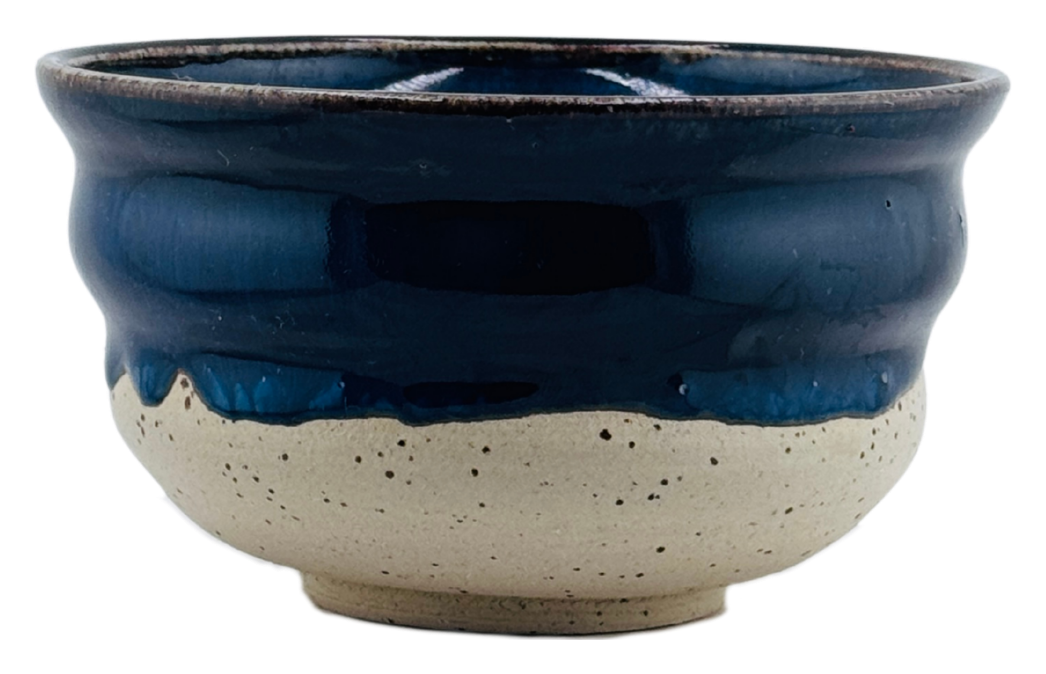
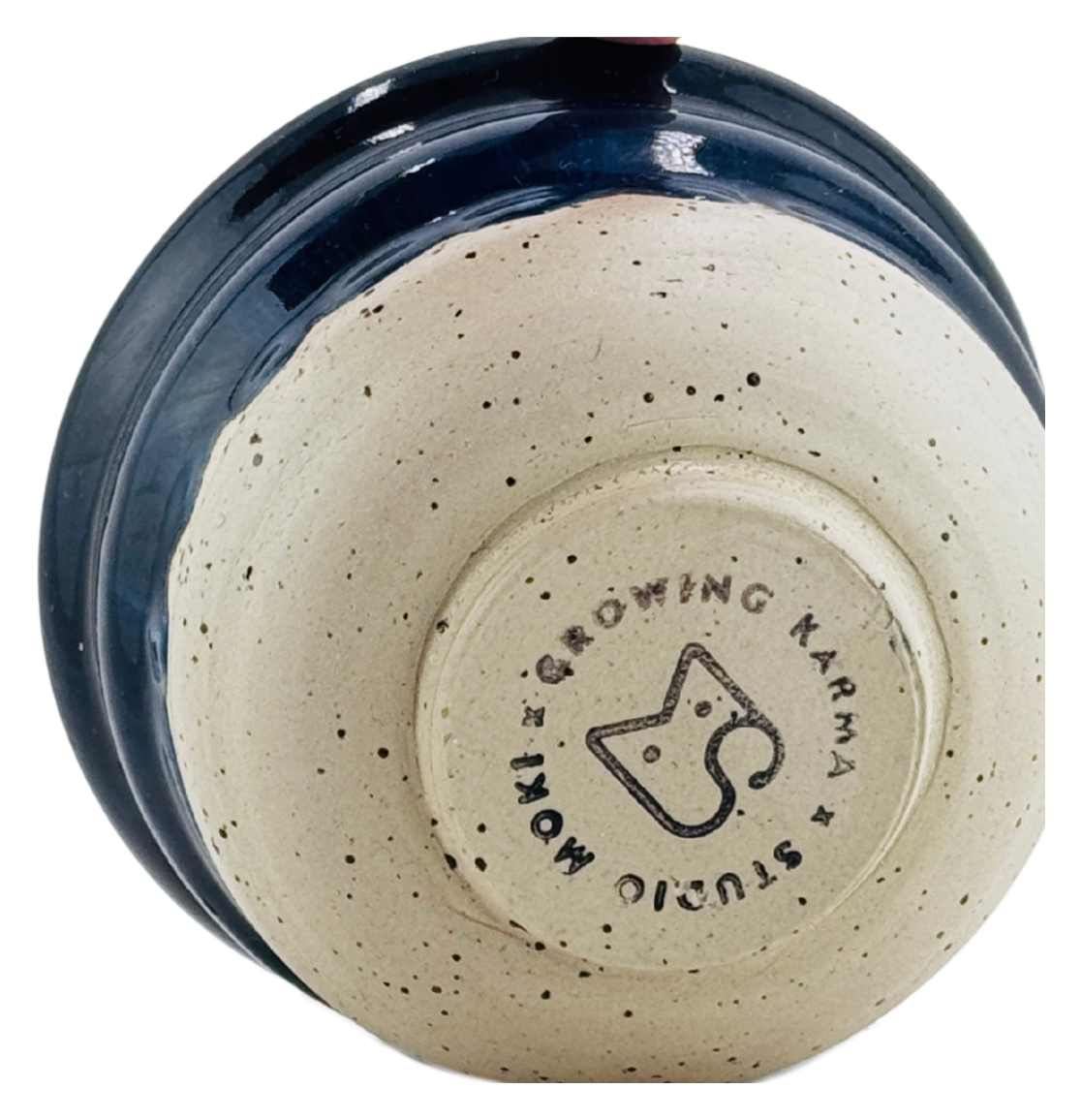
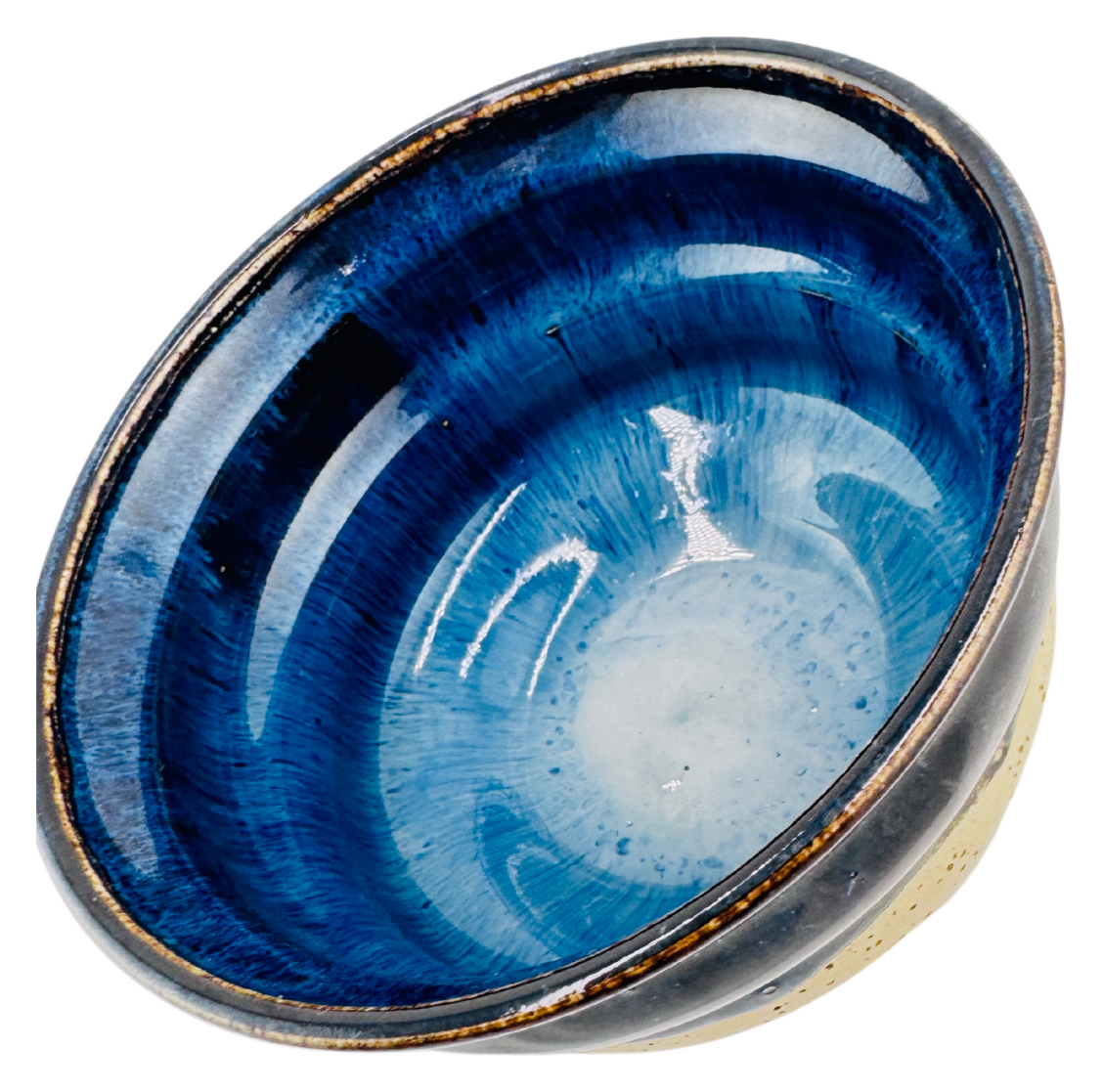
Mono no Aware – 物の哀れ The beauty of impermanence Some things are precious precisely because they cannot be repeated. A fleeting moment, the aroma of freshly whisked matcha or the light of a clear morning reminds us that beauty lies in impermanence. In Japan, Mono no Aware 物の哀れ describes this feeling: a quiet appreciation of the unique, and the recognition that imperfection and transience give things their particular value. This handmade matcha bowl grew from the shared passion of Growing Karma and Studio Moki at Mellensee. Each chawan is formed, glazed and fired individually with great care. During firing, however, something unexpected happened: a technical fault caused the kiln to become much hotter than planned. The glaze was intended to shine in a soft green. Instead, the intense heat transformed it into a deep blue with lively variations. This colour cannot be planned or reproduced exactly. Each bowl carries its own transitions and nuances: traces of a unique moment created by the fire itself. A bowl with character The classic Mayu Gata shape rests calmly and evenly in the hands. Inspired by a cocoon, it combines a sense of shelter with lightness. Its finely worked rim carries matcha gently to the lips, while the deep blue glaze brings out the tea’s vivid green. The unglazed foot recalls the origins of ceramics. Earth, water, fire and the potter’s hands remain visible and tangible. Small differences in glaze, shape and surface express genuine handwork and make every bowl individual. A reminder of the moment Mono no Aware is more than a name. It invites you to notice the aroma of matcha, the warmth of ceramics and the play of light on the glaze. The bowl’s beauty lies in its story, and in knowing that this precise combination of shape, colour and fire will never happen again. Perhaps this bowl will accompany you for many years, reminding you during each tea ceremony that fleeting moments often remain with us the longest. Blue sky rests Fire shaped the moment Nothing returns unchanged. This bowl, made together with Studio Moki, is food-safe, dishwasher-safe and suitable for everyday tea drinking.… Read more
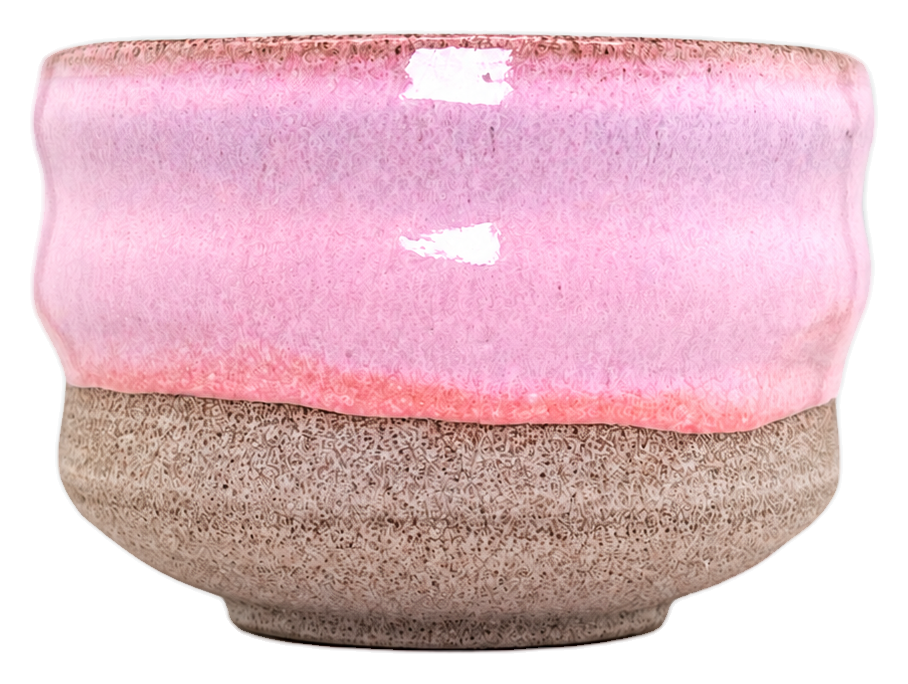
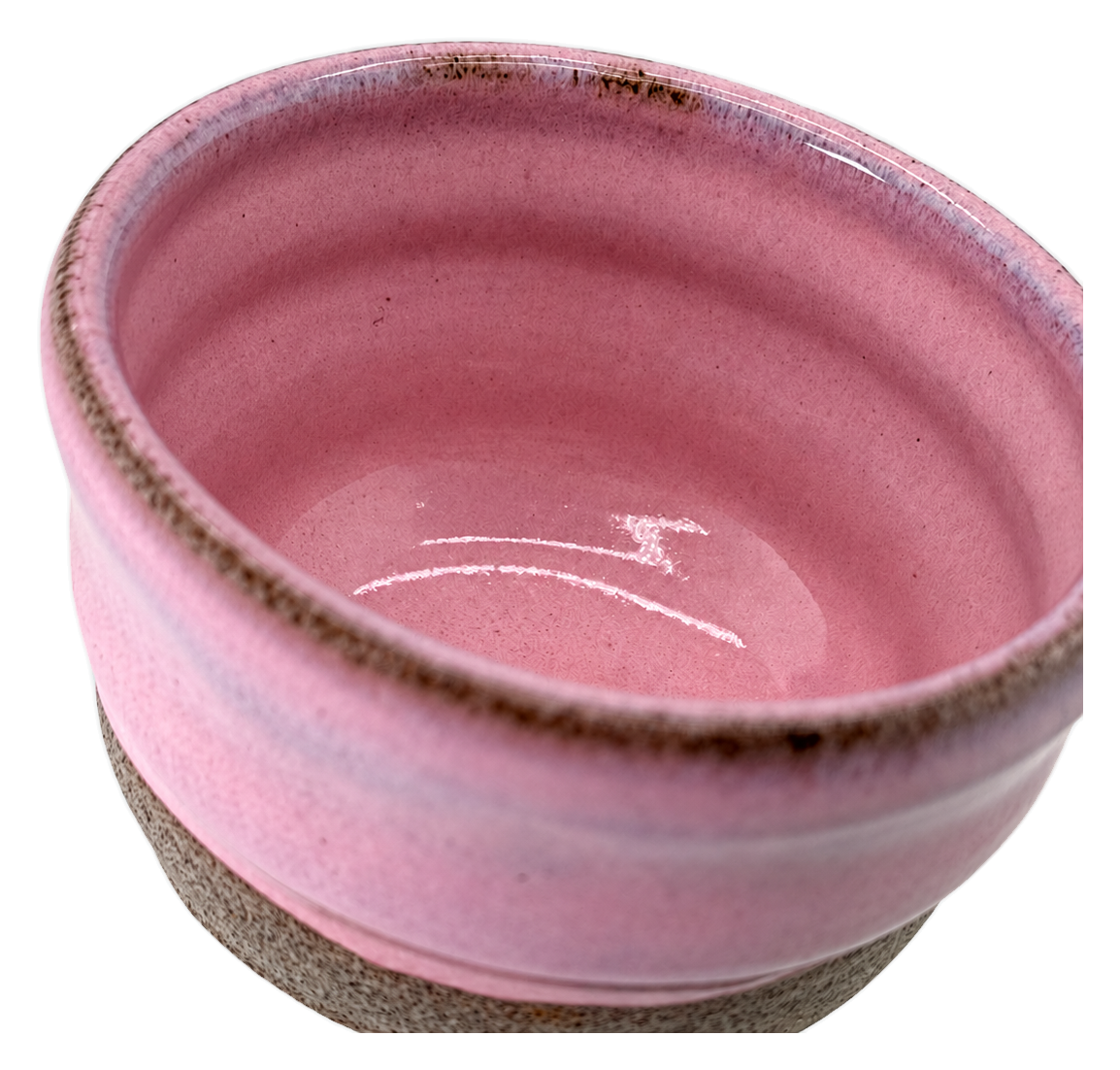
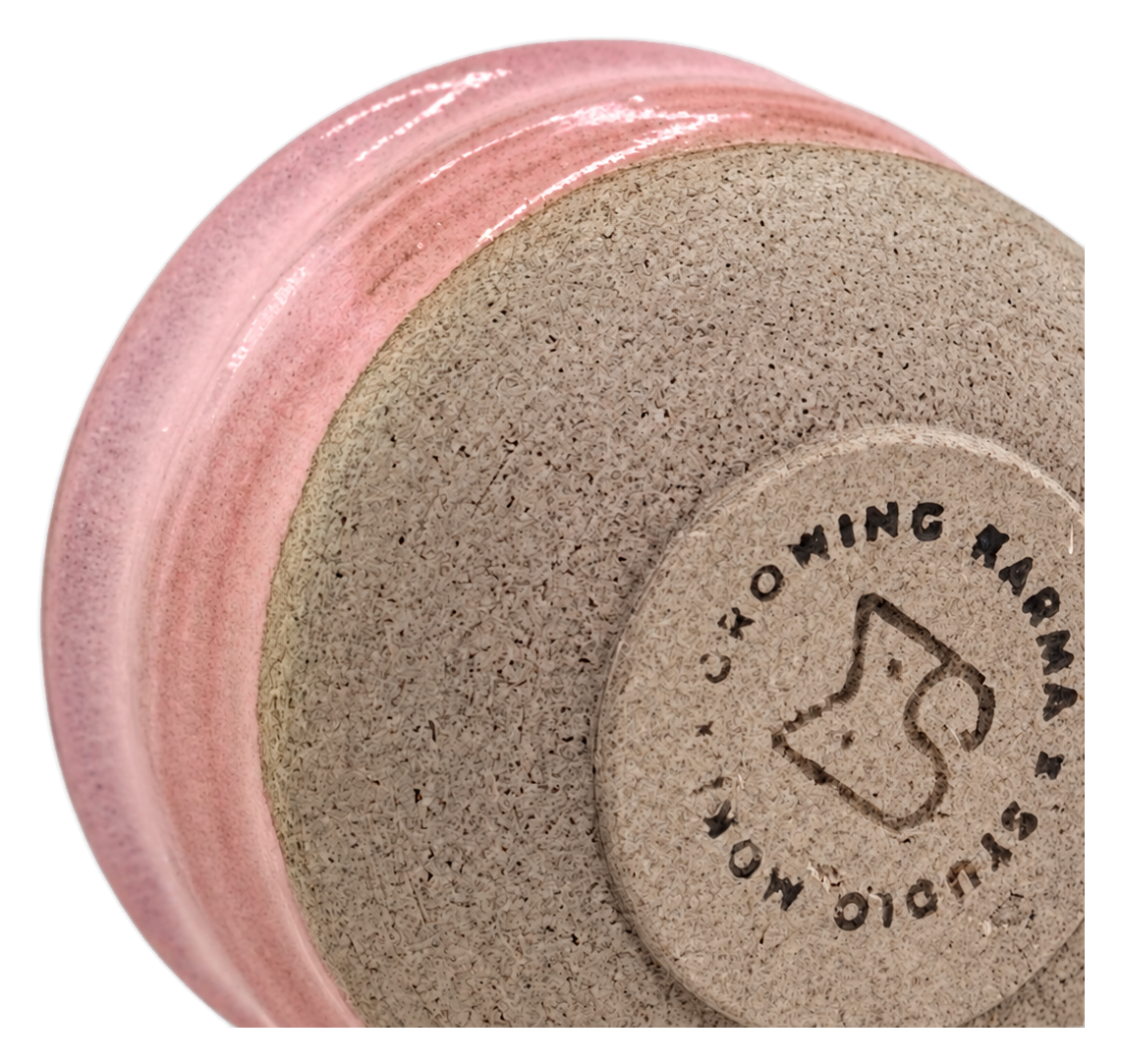
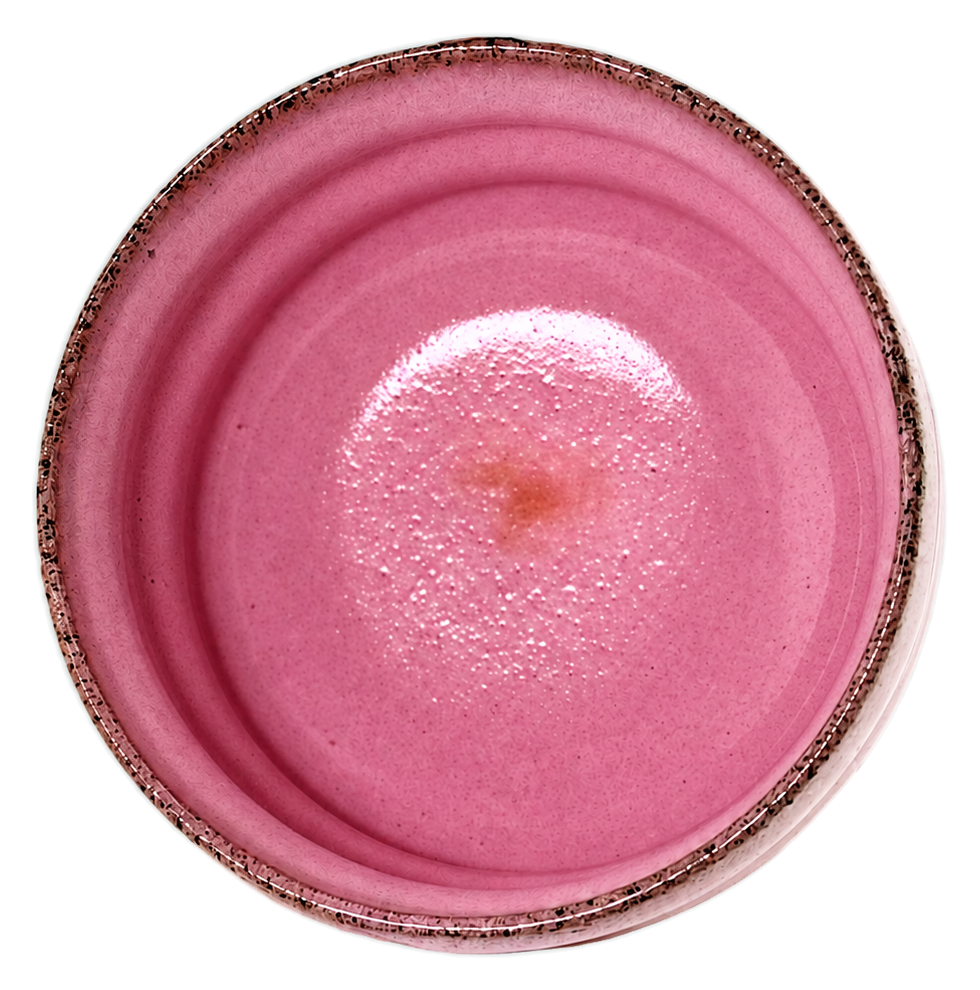
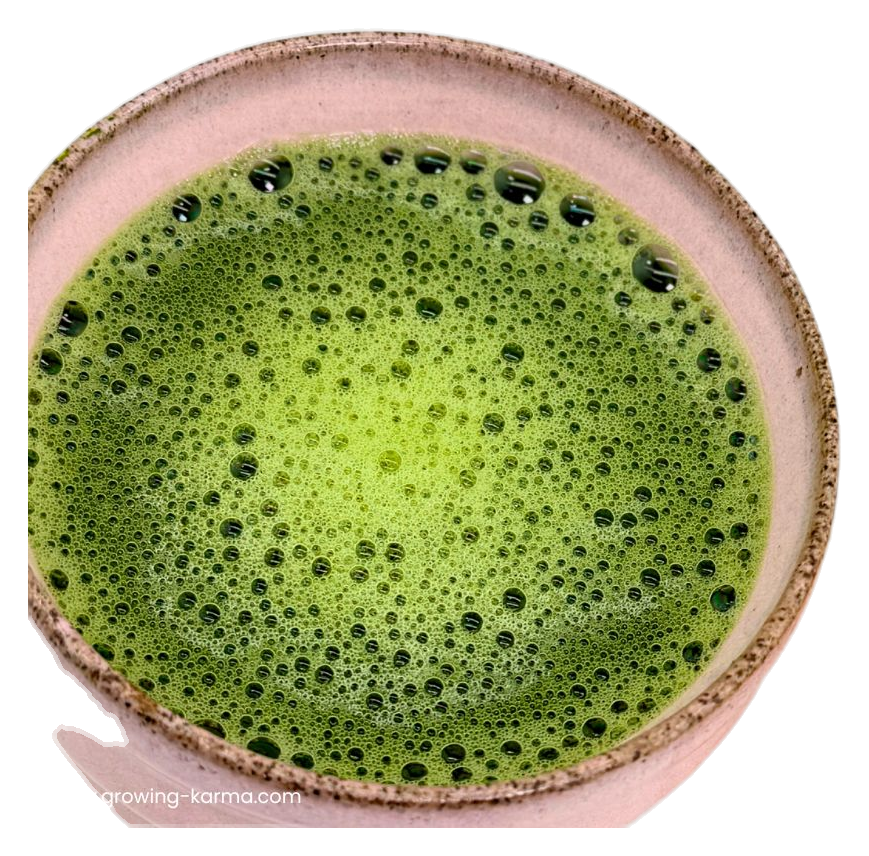
Where Hands Shape What Connects Heart and Earth Sometimes a shared creation begins not with a plan, but with a cup of tea. Something special has grown from the friendship between Growing Karma and Studio Moki on Lake Mella – a matcha bowl in the classic Mayu Gata form, enveloped in the soft pink of cherry blossoms: Sakura. This limited edition carries within it what words can hardly express – time, stillness, trust. Each piece was shaped, glazed, and fired by hand. No two are alike. Each bowl is a quiet original, shining like a petal in its own shade – sometimes delicate, sometimes bolder, but always alive. The Shape of the Cocoon – Support and Openness at Once The Mayu Gata form rests calmly and balanced in the hand. Round, soft, and with a gentle curve that adapts to your gesture. The rim of the bowl is finely crafted – when your lips touch it, you feel the stillness of a thoughtfully considered form that naturally nestles against your mouth. As if made to gently release the first aroma of the matcha. Rough Below Like Earth – Firmly Rooted Like a Cherry Tree The lower part of the matcha bowl is unglazed. It feels rougher – by design. It represents the earth that carries, nourishes, and stabilizes the cherry tree. When you grasp the bowl, you feel this contrast: smooth as a blossom on top, firm as a root below. This very connection gives you support. The surface rests securely in the hand, even when your fingers are still damp from the water. Thus, every tea ceremony becomes a tactile experience – not only for the palate and nose, but also for your hands. A Bowl Like a Poem Food-safe, finely balanced, and crafted with honest devotion – this limited edition matcha bowl tells of the gentle awakening of spring, the gentle beauty of a bowl of tea in your hands, and of how something lasting can emerge from shared values. Perhaps it will become part of your ritual – and touch you with its timeless elegance. Cherry blossoms fallLeaves shine radiantly greenBowl, still and clear. This bowl, crafted together with Studio Moki, is food-safe, dishwasher-safe, and suitable for daily tea enjoyment.… Read more


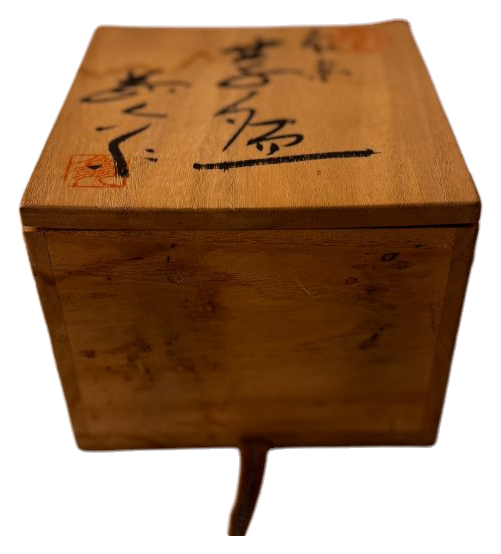


Deep red and unique: A matcha bowl with character Exquisite Japanese craftsmanship is evident in this original matcha bowl, crafted in the classic han tsutsu-gata (半筒型) form. The warm red hue, known as aka-raku, draws the eye and lends the vessel an almost meditative depth. This matcha cup is not merely a tool for the tea ceremony, but a piece of living culture that has been passed down through generations. Handcrafted unique piece with provenance and history This matcha bowl was crafted in Japan by an experienced ceramic artist and is an original vintage piece. Every irregularity and glaze variation speaks of experience, intuition, and decades of tradition. The ring foot, wa kodai (輪高台), ensures a stable base and harmoniously completes the balanced form. Light, precise, expressive Measuring 12 cm in diameter, 7.5 cm in height, and weighing 297 grams, the matcha bowl feels comfortably light in the hand. Its semi-cylindrical shape provides ample space for the matcha to be evenly distributed and whisked into a froth. This bowl truly comes into its own when used with a chasen—stable, soft to the touch, and clear in line. A classic matcha vessel with a modern presence Whether you devote yourself entirely to traditional preparation or use this matcha cup in your own style, it adapts to your ritual. The smooth surface, marked by subtle color variations, appears both lively and serene. The deep red hue shifts depending on the light, lending the bowl a distinctive depth without feeling overpowering. More than just ceramics: A piece of Japan for your tea ritual The bowl comes with a wooden box signed by the master potter—not only elegant but also an expression of appreciation for this unique vessel. A delicate cloth is also included and is ideal for gentle cleaning. Every detail of this presentation shows that this is about more than just form and function: it is about attitude, mindfulness, and respect for tea. For the daily ceremony—and special moments This matcha bowl is ideal for anyone wishing to deepen their tea practice—whether whisking matcha, drinking mindfully, or simply displaying it as a special piece in your tea collection. As an authentic matcha vessel imbued with history and genuine craftsmanship, it will quickly become a familiar companion. And perhaps even a piece of home in your daily ceremony. This bowl is part of a tradition of tea enjoyment that has been cherished for generations.… Read more
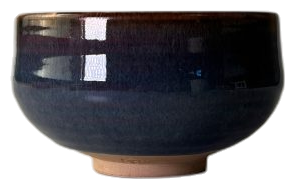


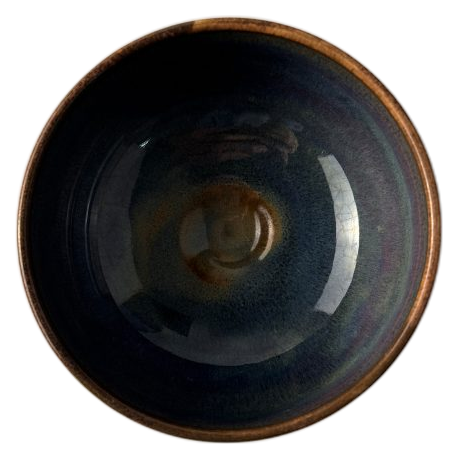




Magical Play of Color: The “Burning Sky” Matcha Bowl Like a flowing sky in motion, this original Japanese matcha bowl features a rich blue surface that reveals purple and reddish highlights. Crafted in the classic han tsutsu-gata (半筒型) form, it embodies Japanese restraint and harmony. Every nuance on the surface evokes the glow of the sky just before dawn—hence the name “Burning Sky.” Handcrafted One-of-a-Kind Piece with Character This chawan is a true vintage one-of-a-kind piece—handcrafted in Japan and bearing visible traces of its creation. The purple accents, subtle glaze gradation, and deliberately placed reddish edges are the result of a highly refined running glaze technique. The combination of controlled heat, a special glaze recipe, and artisanal skill creates a surface that reveals itself differently in every light. Balanced Proportions for Your Tea Ritual Measuring 12 cm in diameter, 7 cm high, and weighing 279 grams, this matcha bowl rests comfortably in the hand. Its form is not only visually balanced but also thoughtfully designed for functionality—ideal for whisking matcha with a chasen. The shell-shaped kaijiri-kodai (貝尻高台) foot adds elegance and visually elevates the bowl from the table. The Distinctive Kaijiri-Kodai Foot This foot style is characterized by its shell-shaped curve, which is particularly appealing both to the eye and when holding the bowl. It gives the piece a sense of lightness and dynamism while ensuring stability and a harmonious relationship between the foot and the body. Original Japanese Ceramics—With Signature and Wooden Box The bowl comes in a wooden box signed by the potter—a testament to its origin and the respect shown for the piece. The calligraphy on the box and the stamp on the bottom of the bowl not only guarantee authenticity but also make it particularly valuable to collectors. Function Meets Emotion The combination of material, form, and weight creates an immediate sense of tranquility. The smooth, gently textured surface feels almost alive beneath the fingers. Matcha whisks evenly, while the open rim allows the aroma to develop fully. Every detail is designed to offer you a moment of mindfulness. Mindful Care To preserve the glaze and its vibrant textures, clean the bowl only with lukewarm water—without detergent. Avoid extreme temperature fluctuations. This will ensure that this one-of-a-kind piece of original Japanese ceramics lasts for many years—not just as a vessel, but as a companion for your tea ritual. This bowl is part of a tradition of tea enjoyment cultivated for generations.… Read more
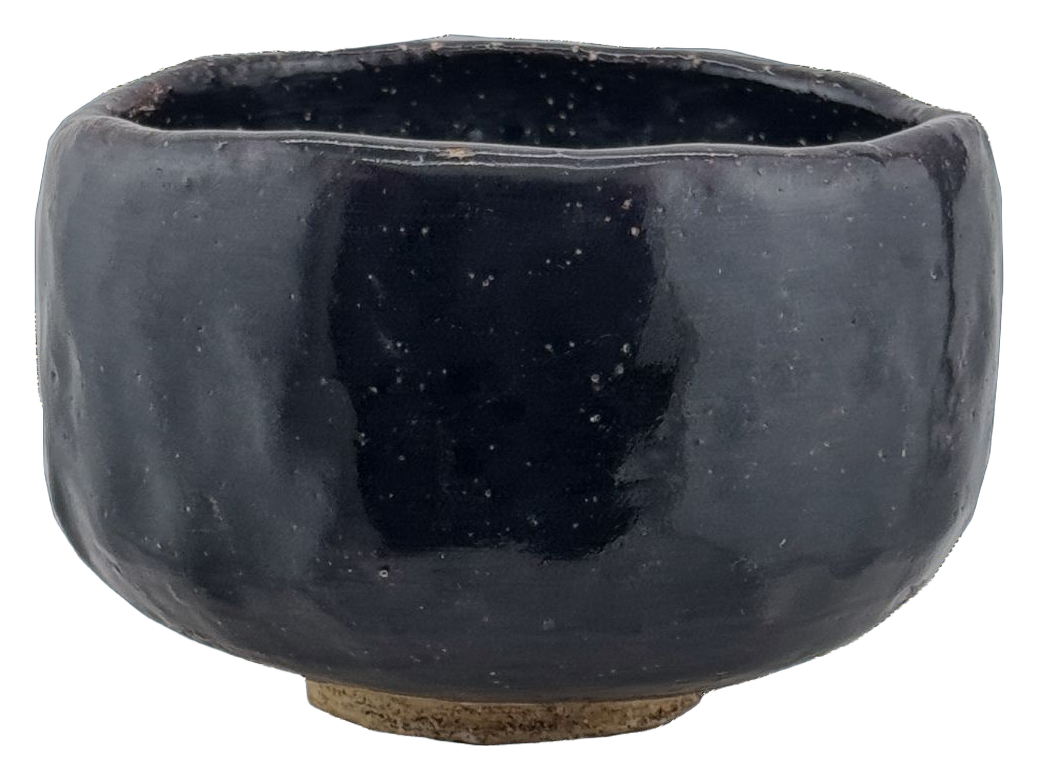


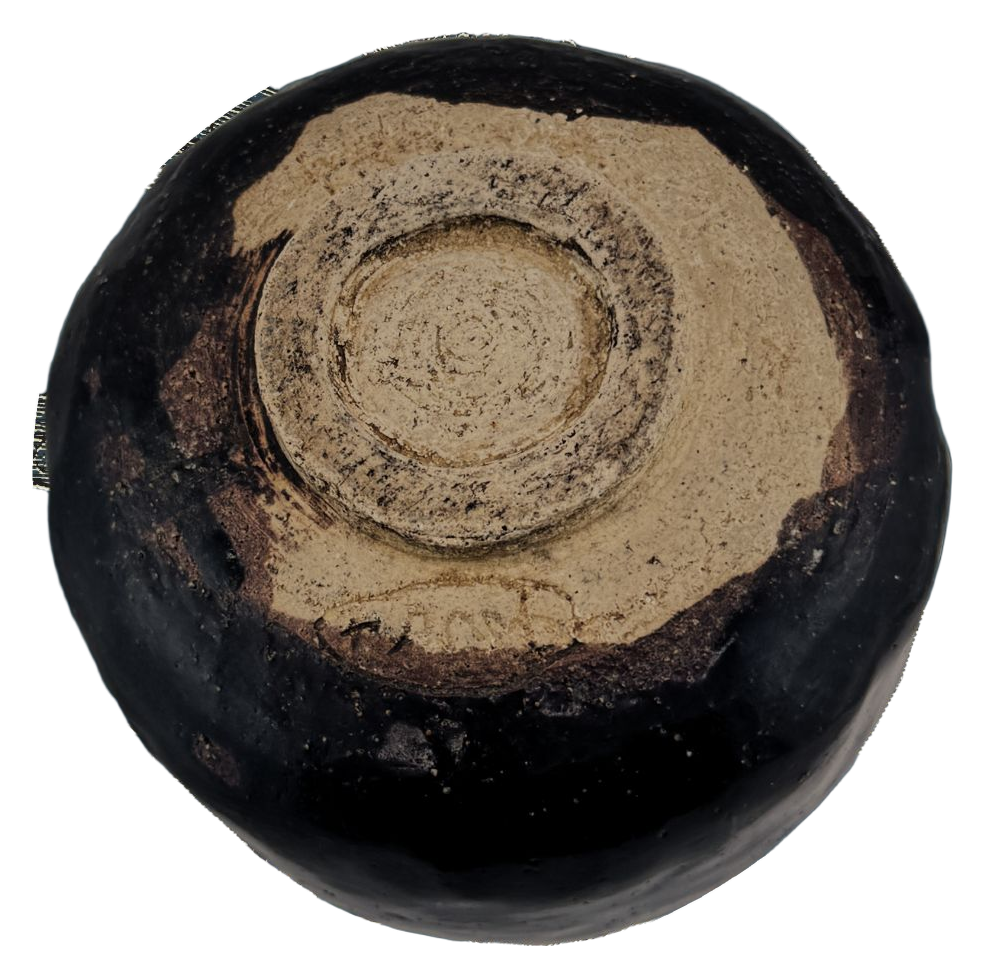


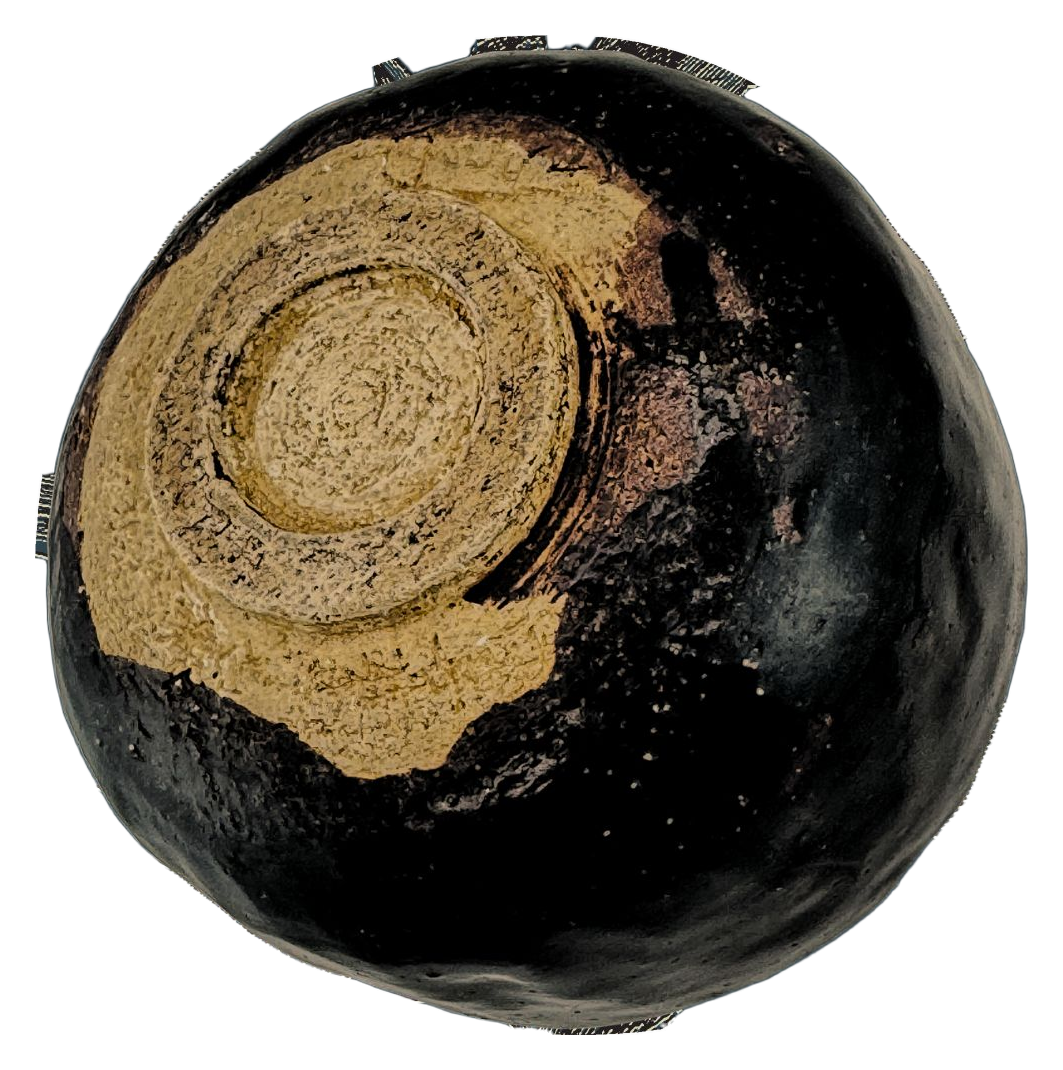

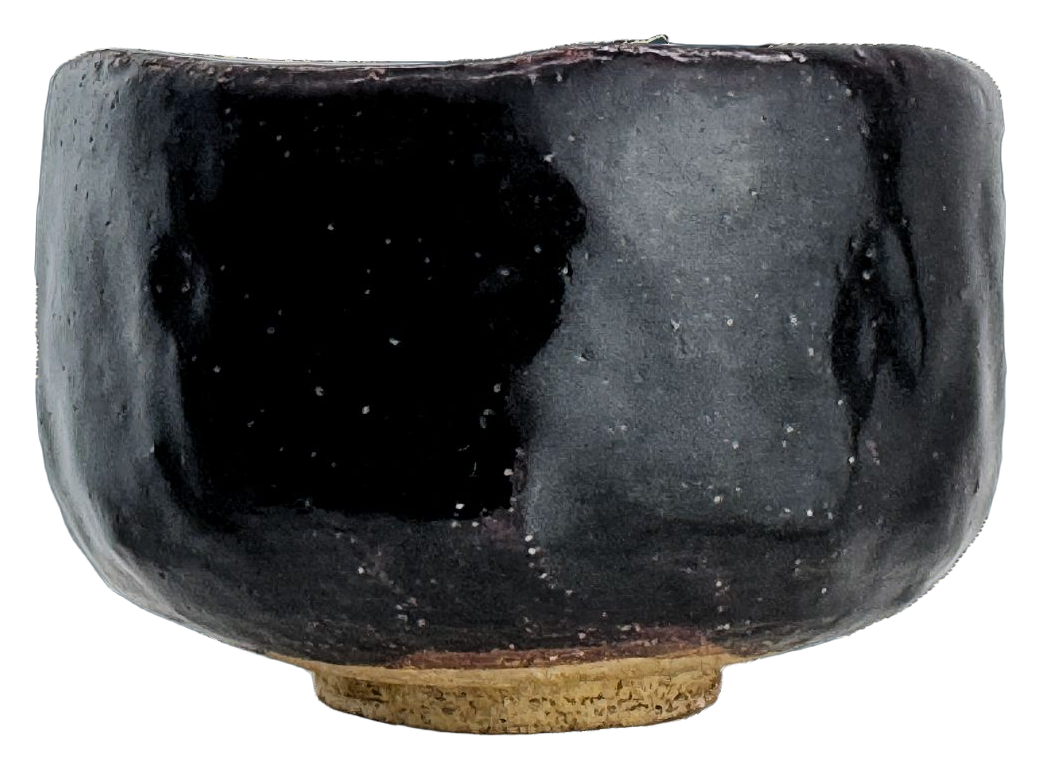


When Darkness Becomes Warm – A Chawan of Quiet Depth This bowl reveals itself without loudly proclaiming its origins, but with the quiet dignity typical of 黒楽茶碗 (Kuro-Raku Chawan). Its compact, slightly squat form recalls classic Tsutsu-gata shapes, yet with the hand-formed irregularity that only free-modeled Raku firing can produce.The glaze is deep black, with violet-brown transitions in places, threaded with fine inclusions – a sign of the low-fired Raku process, in which the glaze achieves its characteristic metallic luster at around 950 °C. Inside, you can see the tea master's typical "nesting": the circular structure created by shaping with the thumb and palm.On the foot, there is a clearly visible artist's seal impression – an elongated oval with an incised, freely drawn signature. The handwriting does not look industrial, but rather like the personal mark of a contemporary Raku potter. The clay is coarsely grogged, light-fired, with partial firing marks – a strong indication of small workshops from Kyoto or Shiga that produce modern interpretations of traditional black Raku bowls. Where Stillness and Heat Meet When you look at this bowl, you can almost feel how it lay in the fire. The surface looks almost like molten black glass, yet inside it remains earthy, solid, and palpably alive. This bowl carries a sense of concentration within it, almost as if it were made for moments when you briefly turn down the volume of the world.When whisking matcha, its form resonates: the high wall gives the chasen room, while the dark depth makes the green tea shine particularly intensely. It is that contrast through which many Raku tea masters reveal the true character of 抹茶 (Matcha). A Voice from the Workshop – Not Perfect, But True The special thing about your bowl is not flawless symmetry, but the courage to show the hand: the slightly irregular rim, the subtle indentations, the traces of the potter's fingers. All together, they create a quiet, warm power – that quality which in Japanese Wabi-Sabi (侘寂) is understood not as a flaw, but as an expression of soul.The signature stamp blends in like a quiet greeting from the Japanese artist – not a logo, but a personal mark. In Japan, it is said that a good Raku bowl is not just used, but "guided": it never remains passive, but reacts with every touch. Why It Makes Your Matcha Particularly Beautiful Black Raku bowls belong to the iconic forms of the Japanese tea way. They make the radiant green of the matcha almost glow – ideal for anyone who wants not only to drink their tea, but to experience it.Due to the heat conductivity of Raku clay, the bowl lies pleasantly warm in the hand without becoming too hot. This makes every preparation a gentle, mindful moment. At the same time, the subtle luster of the glaze adds a depth to the ritual that perfectly suits themes such as drinking matcha, drinking tea, matcha tea, and the enjoyment of Japanese as well as German matcha. Special Features of This Chawan The deep blackness, the irregular rim, the hand-cut kodai, the visible firing marks, and the free signature stamp together create a unique piece that shows character. It appears like a small vessel of stillness – warm, dark, earthy – and yet full of intensity as soon as the radiant matcha spreads within it. This bowl stands in a tradition of tea enjoyment that has been carefully maintained for generations.… Read more
No products match those filters.