

Chawan (茶碗) – Between tradition and modernity
Chawan (茶碗) – Between tradition and modernity
Traditional chawan are often characterized by earthy tones, organic shapes, and understated elegance – a homage to Japan's natural landscapes. Modern matcha bowls, on the other hand, breathe fresh air into the traditional craft: Contemporary ceramicists experiment with bold glazes, surprising color schemes, and asymmetrical shapes – always in keeping with the spirit of the tea ceremony.
What makes today's chawan special is the combination of innovation and tradition. Classic Raku or Hagi bowls stand alongside modern versions with clean edges, vibrant patterns, or echoes of famous pottery styles such as Nitten or Kyo-yaki. Some matcha bowls deliberately incorporate irregular or wavy edges—inspired by mountain silhouettes—thus creating a sensual connection to Japanese nature.
Whether you prefer the rustic, hand-formed look of historic chawan or are drawn to avant-garde forms, each bowl in our selection reflects the diversity of Japanese tea ceramics. It's not just a vessel, it's an expression—and invites you to experience matcha as part of a vibrant, ever-evolving art form.

Sakura Matcha Set – Your Ritual Begins Here Four Components, One Harmonious Matcha ExperienceThe Sakura Matcha S...

Chasen Yasume (Chasen Tate) – Matcha whisk holderPreserve its shape. Give it a home. Enjoy your matcha whisk for...

Where Hands Shape What Connects Heart and Earth Sometimes a shared creation begins not with a plan, but with a c...
Filters
32 products

This light matcha bowl combines a calm, natural presence with the clear design language of traditional Mino-Yaki...

Fire, Earth, and Signature – A Japanese One-of-a-Kind Piece with History A Touch of Firelight: The Soul of This ...

At first glance, this chawan exudes an aura of tranquility. The matte, warm gold that defines its surface evokes...

When Darkness Becomes Warm – A Chawan of Quiet Depth This bowl reveals itself without loudly proclaiming its ori...

When Fire Leaves Its Mark – A Chawan Like a Quiet Sunrise This matcha bowl looks as though it has absorbed the l...

静かな土の気配 – A Matcha Bowl Full of Depth and Grounding This chawan welcomes you with a quiet, earthy presence. Its ...

静寂の土 – A Tanba Chawan Full of Time and Depth This chawan carries the quiet strength of a vessel that has endured...

A bowl that gives form to silence This Japanese matcha bowl combines the tranquility of traditional tea ways wit...

朱の余韻 – Aka-raku-inspired Matcha Bowl with a Breath of Fire This 茶碗 (chawan) looks as though it has just come out...

Aka-Raku Chawan – Red Raku Japan, early to mid-Shōwa period This deep red chawan glows as if it has stored the w...

The Quiet Glow of Night – A Chawan in Deep Kuro-yū 黒釉Glaze: A First Look into the Darkness This chawan appears a...
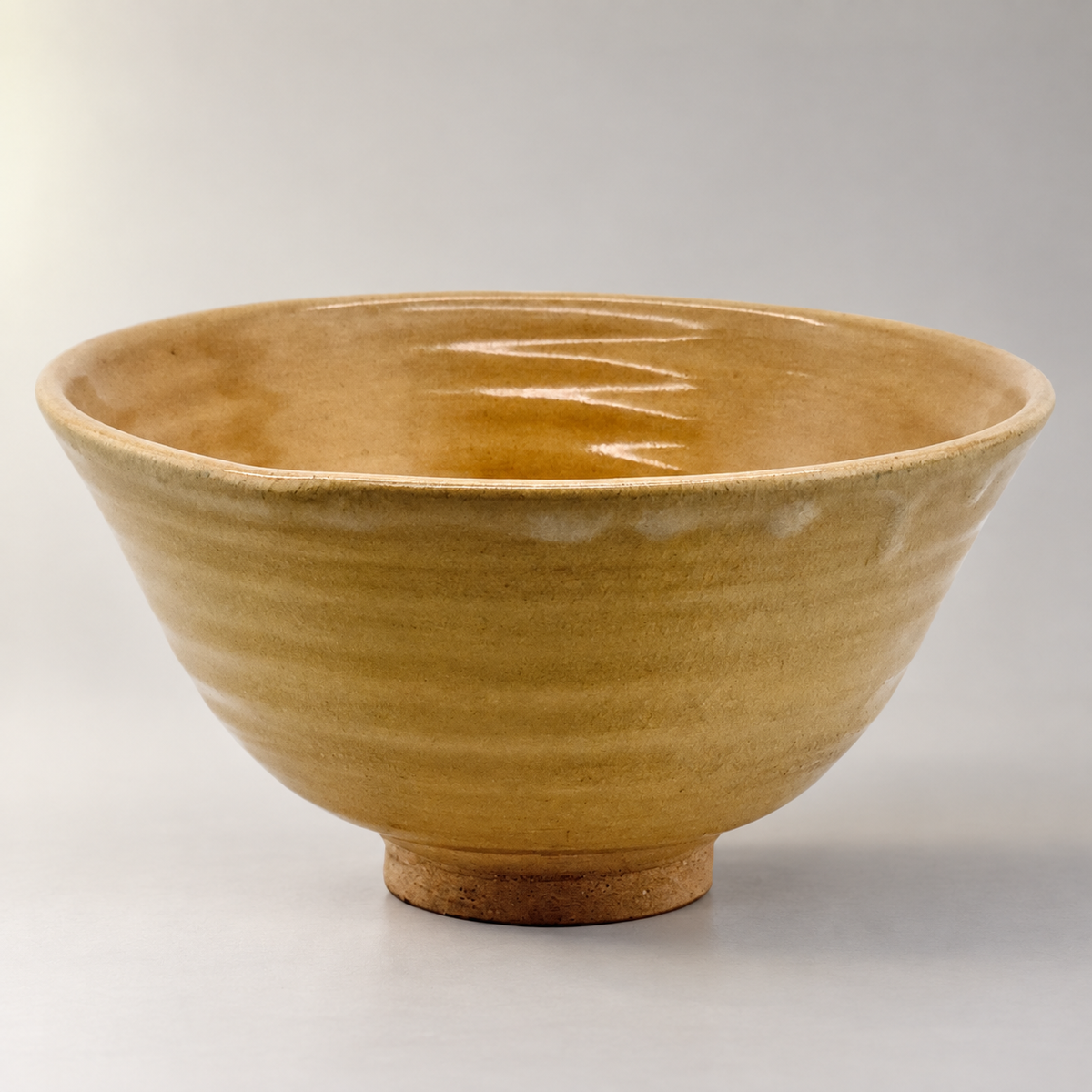
Quiet Form – Han-nari (半なり)This matcha bowl follows the han-nari (半なり) form, a softly flared, slightly tapered s...

Wabi-Sabi in its Purest Form: A Hagi-Inspired Chawan Full of Stillness and Earthiness This Japanese tea bowl emb...

A Bowl That Holds the Light of Japan In the moment of preparing matcha, this wide-flaring tea bowl reveals a pre...

Form & Origin – a bowl from the world of 美濃焼 (Mino-yaki) This tea bowl clearly belongs stylistically to the ...

A Vessel Full of Earthiness and Vibrant Glaze Movement This handcrafted matcha bowl from Japan combines the natu...

Japanese Matcha Bowl in the Style of Traditional Raku Aesthetics (楽茶碗) This tea bowl combines organic hand-formi...

A Chawan with Marbled Clay PatternThis matcha bowl combines Japanese tea aesthetics with clearly visible marblin...
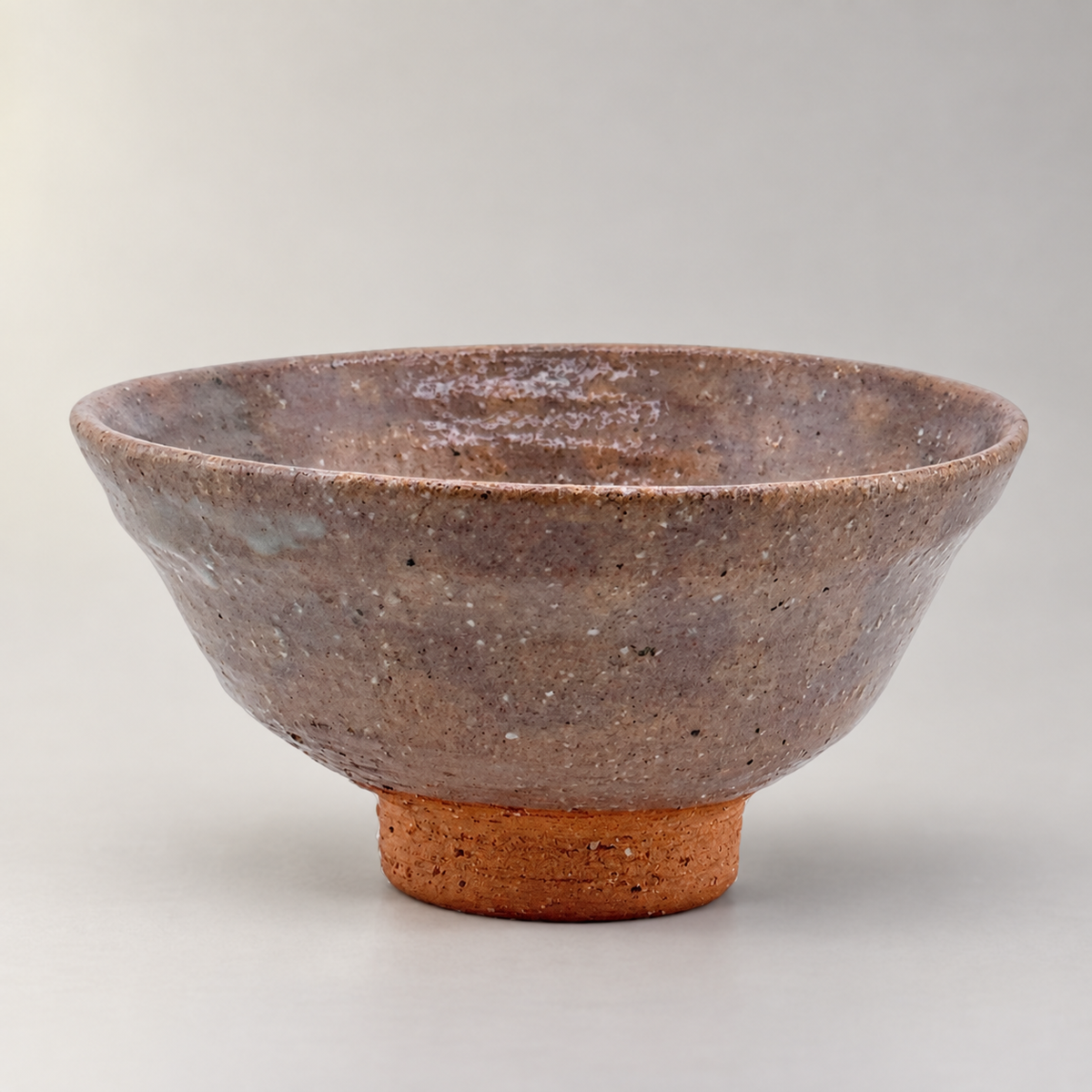
Handcrafted Yakishime Tea Bowl from Japan: A Bowl That Grounds the Moment This tea bowl carries the calm, natura...

Japanese Matcha Bowl in Contemporary Mino AestheticThis tea bowl combines a wide-open form with lavender, cream,...

A Vessel with History: The Ido-Gata Chawan This handcrafted matcha bowl from Japan is much more than just a tea ...
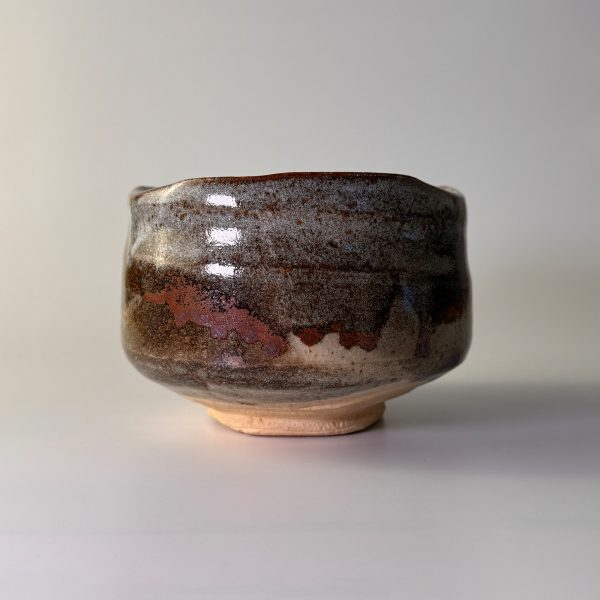
A Matcha Bowl with Soul and History This antique matcha bowl from Japan, crafted around 1910, is far more than a...
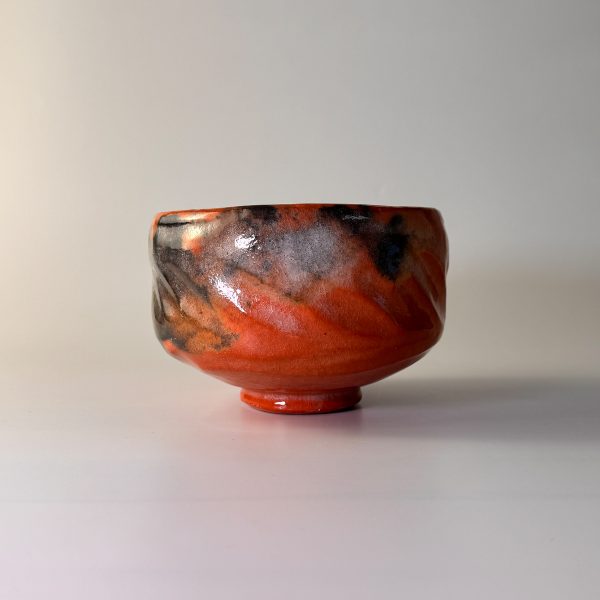
Unique Raku Ceramic from Japan This handmade matcha bowl, also known as a chawan, comes from Japan and was craft...

A Vessel with History – More Than a Matcha Cup This matcha bowl is a unique, handcrafted piece from Japan that c...

A Matcha bowl like no other – handcrafted in Japan Some pieces tell stories without a single word. This matcha b...

Expressive Matcha Bowl in the Traditional Japanese Han Tsutsu-gata Form Dark, textured, and expressive – this ma...

A Matcha Bowl with History – Unique Piece from Rokuon-ji Temple Some tea vessels do not just hold matcha – they ...

Japanese tea aesthetics you can touch: Enshō matcha bowl from the Enshō kilns This matcha bowl, traditionally ca...

Japanese one-of-a-kind in Han tsutsu-gata form: Your matcha bowl for authentic rituals This extraordinary matcha...

Deep red and unique: A matcha bowl with character Exquisite Japanese craftsmanship is evident in this original m...

Magical Play of Color: The “Burning Sky” Matcha Bowl Like a flowing sky in motion, this original Japanese matcha...

Deeply Rooted in Tradition: A Goki-gata Matcha Bowl A soft black, streaked with ochre inclusions that appear to ...
No products match those filters.
Artworks with a History
Original Japanese tea and matcha bowls
Please note that our original matcha bowls from Asia are antiques and authentic one-of-a-kind pieces that have not been tested for food safety under German law.
FAQ
What are the ideal dimensions for a matcha bowl?
When choosing the right matcha bowl—called a chawan in Japanese—it's all about finding the right balance between form and function. Traditionally, a chawan measures approximately 11 to 13 centimeters in diameter and 6 to 8 centimeters in height. This proportion provides enough space to vigorously whisk the matcha with the bamboo whisk ( chasen ) without any spillage. At the same time, the bowl sits comfortably in the hand and supports the preparation process in a pleasant way.
But it's not just about functionality: The dimensions also reflect the aesthetic sensibilities of Japanese tea culture. They are inspired by the organic, flowing forms of classic ceramic regions such as Kyoto, Hagi, and Mino. Whether you're an experienced tea lover or just starting out, a matcha bowl with these traditional dimensions enriches any tea ritual and elevates enjoyment to a new level.
The meaning of the wavy edge
The characteristic wavy rim of many matcha bowls is far more than an artistic detail—it's a deliberate homage to Japan's natural landscapes. The gentle waves are reminiscent of mountain ranges and rolling hills, inviting you to contemplate the quiet beauty of nature with every sip. In Japanese aesthetics, such irregular shapes embody the principle of wabi-sabi —the appreciation of the imperfect and the real. With each bowl, you hold a piece of the landscape in your hands—every curve a silent echo of Japan's impressive natural beauty.
What are the central elements of the Japanese tea ceremony
The Japanese tea ceremony— chanoyu or chadō —is far more than simply preparing a bowl of matcha. It is a meticulously coordinated ritual based on centuries-old traditions and symbolism. People, objects, and atmosphere merge into a harmonious overall experience.
The most important components at a glance
Chawan (Matcha bowl): The tea bowl is the focal point of the ceremony. Its shape, feel, and aesthetic reflect the mood and season. Whether heavy raku or finely textured hagi, the chawan is the tactile and visual centerpiece of the ritual.
Chasen (bamboo whisk): This hand-carved whisk is used to whip the matcha into a foam. The fine bristles ensure a smooth, airy consistency.
Chashaku (teaspoon): The narrow bamboo spoon is used to gently transfer the tea powder from the container into the bowl – each movement is deliberate and respectful.
Kensui & Utensils: Water vessels, tea caddies, and cloths for cleaning tools each have their own role. They are used with calm, practiced movements.
The setting: The setting – often a simple, quiet tea room with seasonal floral decorations and calligraphy – creates space for mindfulness and presence.
The ceremony – more than tea
Every step—from cleaning the utensils and examining the tea tools to the quiet, concentrated preparation and sharing of the matcha—follows an inner attitude. At the heart of this are the four basic principles of the tea ceremony: harmony (wa), respect (kei), purity (sei) , and stillness (jaku).
Guests hold the warm bowl in their hands, smell the delicate aroma of the tea, and savor the beauty of the moment—perhaps accompanied by a delicate wagashi pastry. Nothing is rushed. The tea ceremony offers a precious respite from the rhythm of everyday life—a moment of conscious presence.
What is the traditional Japanese tea ceremony – Zen, mindfulness and craftsmanship?
The Japanese tea ceremony, chadō (茶道), is far more than simply preparing and drinking tea. It is an artfully staged ritual, deeply rooted in Zen philosophy, that celebrates mindfulness, hospitality, and inner peace. Matcha preparation becomes an art here—conscious, respectful, and meditative.
Harmony in every movement
The ceremony takes place in a simple, natural-style room—with tatami mats, soft lighting, and a tranquil atmosphere. Guests enter barefoot, wash their hands, and leave everyday life behind. Every gesture—from folding the fukusa cleansing cloth to cracking the vibrant green matcha—is performed mindfully and with full presence.
Tools with meaning and soul
Each utensil not only fulfills a function but also tells a story:
-
Handmade and unique – warmth and history in your hands.
- Transforms matcha into a velvety creamy foam.
- For the perfect portion of matcha.
- Storage place for tea, often artfully lacquered.
Each object is carefully selected according to season or aesthetic, and examined and appreciated before use. Many come from traditional kilns in Kyoto or Shigaraki and embody the principle of wabi-sabi : the beauty of imperfection.
A ritual of connection
The host prepares the tea with calm, precise movements—an expression of gratitude and respect. Guests consciously perceive the color, aroma, and flavor, often accompanied by an artfully crafted wagashi —a Japanese sweet that balances the bitter notes of the matcha.
Silence or quiet conversations invite reflection. Whether in a formal teahouse or in a small group at home, the ceremony focuses on connection, humility, and peace.
Drinking matcha this way is more than a moment of indulgence—it's an invitation to pause, savor consciously, and experience a touch of timeless Japanese culture. One bowl at a time.
How is the Japanese tea ceremony connected to Zen philosophy and relaxation?
The Zen spirit in every bowl
What truly distinguishes Japanese tea—especially matcha and its accompanying bowls—is its origin in the spirit of the tea ceremony, a practice deeply rooted in Zen philosophy. The Japanese tea ceremony, chadō (茶道), is far more than preparing and drinking tea; it is a mindful ritual that guides participants into a state of presence and inner calm.
During this ritual, every movement is deliberate, every gesture an invitation to leave the hustle and bustle of everyday life behind. The tranquil atmosphere, the careful handling of the utensils, and the mindful enjoyment of each individual bowl reflect the Zen principles of harmony, respect, and simplicity. Whipping the matcha, quietly contemplating the imperfect beauty of the bowl, and sharing silence with others create a meditative pause—a moment of contemplation and inner serenity.
Incorporating these traditions into your own tea ritual means not only enjoying special aromas, but above all, allowing a peaceful state of mind to develop. With each cup, you connect with centuries of Japanese wisdom—and bring a touch of zen and relaxation into your everyday life.
What is the cultural and philosophical significance of matcha – beyond just being a drink?
In Japanese culture, matcha embodies far more than just green tea: It represents mindfulness, inner contemplation, and the appreciation of the moment. The preparation and communal drinking of matcha are deeply rooted in the teachings of Zen Buddhism and reflect a way of life that emphasizes calm, respect, and harmony.
The philosophy behind Matcha: A ritual of mindfulness and harmony
Matcha is no ordinary beverage—it's a centuries-old symbol of stillness, awareness, and connection. In Japanese culture, preparing and enjoying matcha is closely linked to the philosophy of Zen. Every movement is performed consciously, and every moment is given meaning.
The Japanese tea ceremony (茶道, Chadō) stems from precisely this attitude. It transforms tea drinking into a form of meditation—a way to cultivate harmony, respect, purity, and inner peace. These values are at the heart of the ceremony and have been passed down for generations.
Those who participate in such a tea ceremony learn to see the beauty in simplicity and experience stillness as a source of strength. Whether alone or in company, matcha offers a conscious moment of contemplation, far removed from the hustle and bustle of everyday life. Even today, far beyond Japan, a bowl of matcha invites us to slow down, be present, and appreciate the quiet elegance of Japanese aesthetics.