

Japanese matcha tea bowl – Han tsutsu-gata “Earth” (1910)

A Matcha vessel with soul and history This antique matcha bowl from Japan, made around 1910, is far more than a tea vessel—it's a living piece of cultural history. Designed in the Han tsutsu-gata form (半筒型) and featuring a striking Uzumaki Kodai...
Sale price€479,00 EUR
In stock Lieferzeit 2–4 Werktage Versandkostenfrei
Waitlist

Let me know when it is back.

We will send you one email as soon as this item is available again.

Japanische Matcha Teeschale – Han tsutsu-gata „Earth“ (1910) – Ansicht 1
Japanese matcha tea bowl – Han tsutsu-gata “Earth” (1910) €479,00

One availability email only. No newsletter. Privacy

FAQ

Was ist Japanische Matcha Teeschale – Han tsutsu-gata „Earth“ (1910)?
Ein Gefäß für Matcha mit Seele und Geschichte Diese antike Matcha Schale aus Japan, gefertigt um 1910, ist weit mehr als ein Teegefäß – sie ist ein lebendiges Stück Kulturgeschichte.
Woher stammt diese Matcha Schale und wie ist sie gefertigt?
Diese antike Matcha Schale aus Japan, gefertigt um 1910, ist weit mehr als ein Teegefäß – sie ist ein lebendiges Stück Kulturgeschichte. In der Han tsutsu-gata Form (半筒型) gestaltet und mit einem markanten Uzumaki Kodai (渦巻高台) versehen, verkörpert sie die Essenz traditioneller japanischer Keramik. Die warmen Rot- und Sandtöne, durchzogen von fließenden Mustern, erzählen von der meisterhaften Handwerkskunst eines japanischen Meisters.
Aus welchem Material bzw. welchen Bestandteilen besteht diese Matcha Schale?
In der Han tsutsu-gata Form (半筒型) gestaltet und mit einem markanten Uzumaki Kodai (渦巻高台) versehen, verkörpert sie die Essenz traditioneller japanischer Keramik. Farben und Glasur: Ein Spiel der Elemente
Wie verwende ich diese Matcha-Schale bei der Zubereitung?
Die Han tsutsu-gata Form, bekannt für ihre halbzylindrische Silhouette, bietet nicht nur ästhetische Eleganz, sondern auch funktionale Vorteile bei der Zubereitung von Matcha. Mit Maßen von 11 x 8 cm und einem Gewicht von 341 g liegt sie angenehm in der Hand und unterstützt das Aufschlagen des Matcha mit dem Chasen. Um die Schönheit und Integrität dieser antiken Matcha Schale zu bewahren, empfehlen wir die Reinigung ausschließlich mit lauwarmem Wasser, ohne den Einsatz von Spülmitteln.
Wie pflege und lagere ich diese Matcha-Schale?
Um die Schönheit und Integrität dieser antiken Matcha Schale zu bewahren, empfehlen wir die Reinigung ausschließlich mit lauwarmem Wasser, ohne den Einsatz von Spülmitteln. Bitte vermeide starke Temperaturschwankungen, um die Glasur und das Material zu schützen.
Welche Form, Glasur oder gestalterischen Merkmale hat diese Chawan?
Die Han tsutsu-gata Form, bekannt für ihre halbzylindrische Silhouette, bietet nicht nur ästhetische Eleganz, sondern auch funktionale Vorteile bei der Zubereitung von Matcha. Der Uzumaki Kodai, ein spiralförmiger Fuß, sorgt für Stabilität und verleiht der Schale eine besondere Dynamik. Mit Maßen von 11 x 8 cm und einem Gewicht von 341 g liegt sie angenehm in der Hand und unterstützt das Aufschlagen des Matcha mit dem Chasen.
Was ist bei Japanische Matcha Teeschale – Han tsutsu-gata „Earth“ (1910) enthalten?
Diese antike Matcha Schale aus Japan, gefertigt um 1910, ist weit mehr als ein Teegefäß – sie ist ein lebendiges Stück Kulturgeschichte. Mit Maßen von 11 x 8 cm und einem Gewicht von 341 g liegt sie angenehm in der Hand und unterstützt das Aufschlagen des Matcha mit dem Chasen.

Product description

A Matcha vessel with soul and history

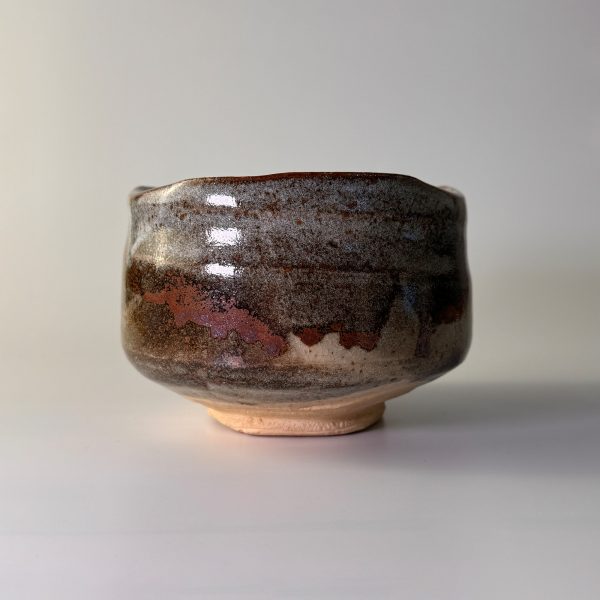
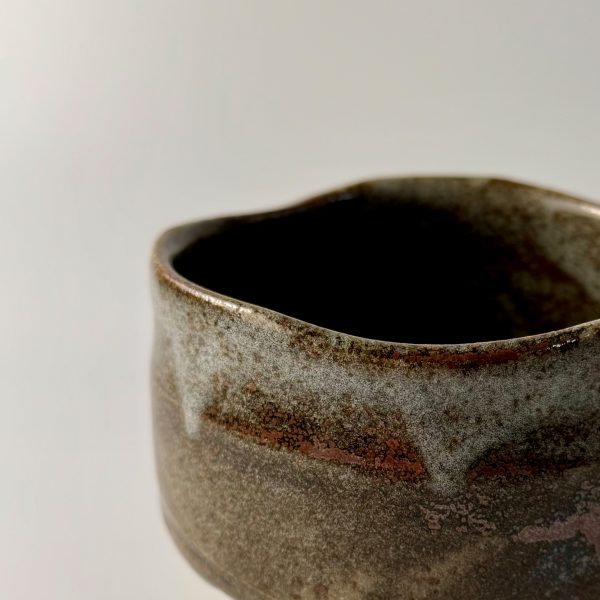
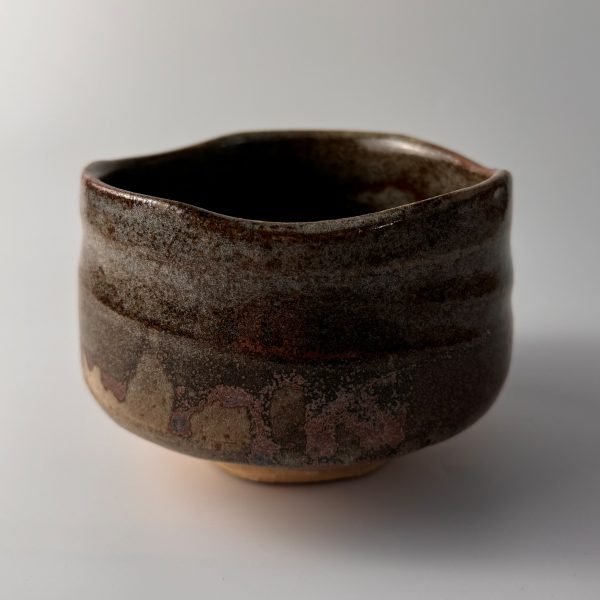
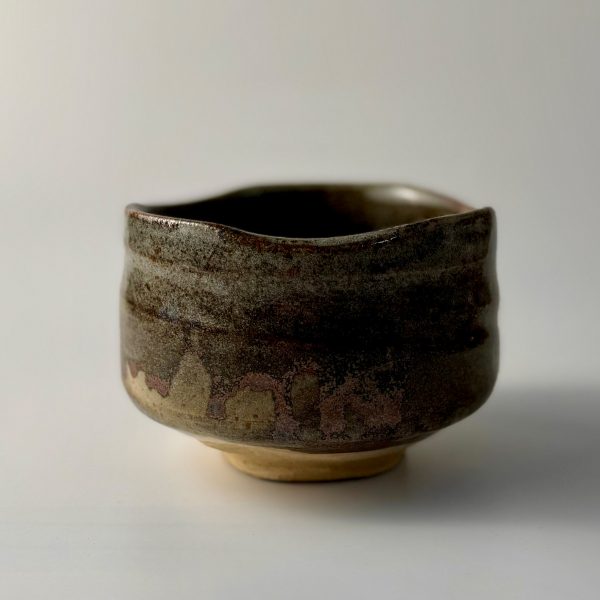
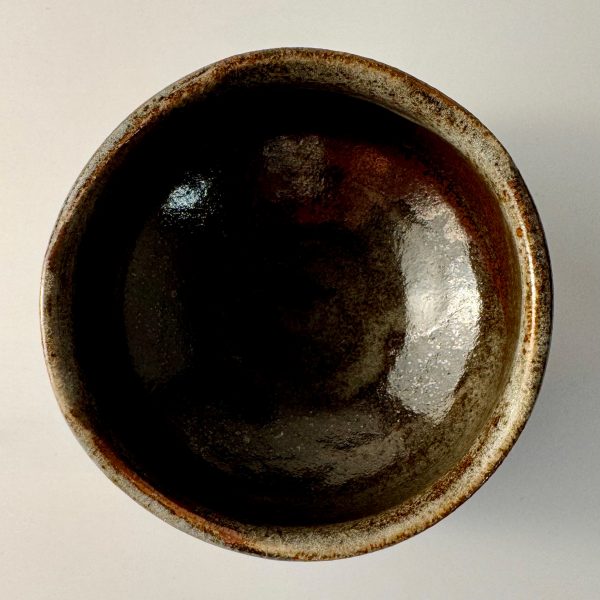
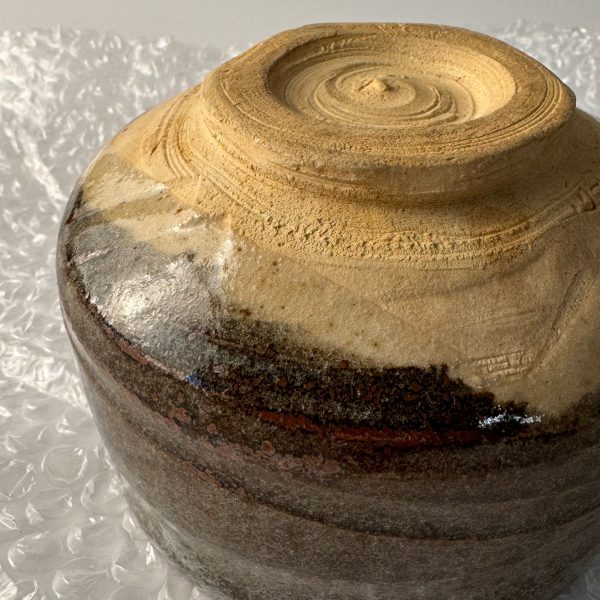
This antique matcha bowl from Japan, made around 1910, is far more than a tea vessel—it's a living piece of cultural history. Designed in the Han tsutsu-gata form (半筒型) and featuring a striking Uzumaki Kodai (渦巻高台), it embodies the essence of traditional Japanese ceramics. The warm red and sandy tones, interspersed with flowing patterns, speak of the masterful craftsmanship of a Japanese master.

The shape: Han tsutsu-gata – half cylinder with character

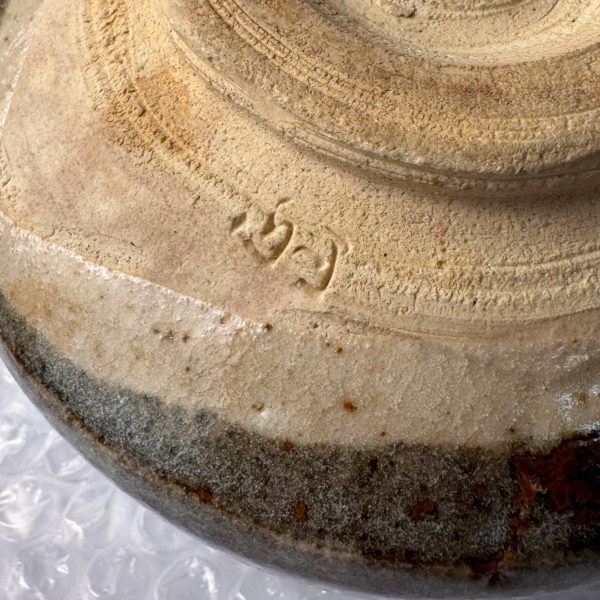
The Han tsutsu-gata shape, known for its semi-cylindrical silhouette, offers not only aesthetic elegance but also functional advantages when preparing matcha. The Uzumaki Kodai, a spiral-shaped base, provides stability and lends the bowl a special dynamic. Measuring 11 x 8 cm and weighing 341 g, it sits comfortably in the hand and supports whisking the matcha with the chasen.

Colors and glaze: A play of elements

The glaze of this matcha bowl captivates with its earthy red and sandy tones, which blend seamlessly into one another. The strikingly curved lip lends the bowl an organic touch and emphasizes its handcrafted origins. Every nuance and detail reflects the care and skill of the master ceramicist.

A unique piece with history

This chawan is a unique piece that has been passed down through generations. Its origins in the ceramics capital of Kyoto underscore its authenticity and cultural value. As a vessel for matcha or other teas, it not only brings functionality but also a deep connection to the Japanese tea ceremony.

Care instructions

To preserve the beauty and integrity of this antique matcha bowl, we recommend cleaning it only with lukewarm water, without the use of detergents. Please avoid extreme temperature fluctuations to protect the glaze and the material.