

Camellia sinensis cultivar Longjing 43
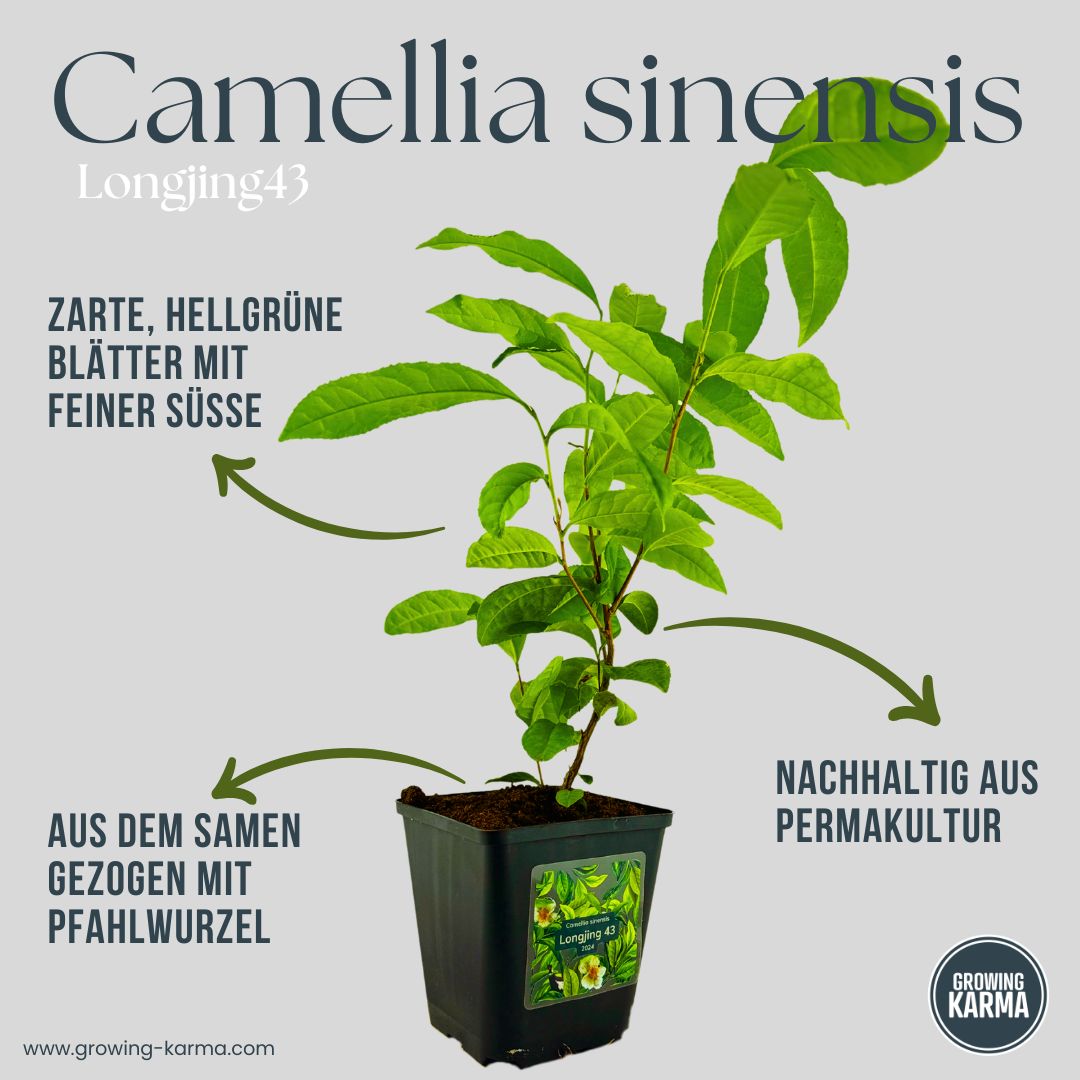
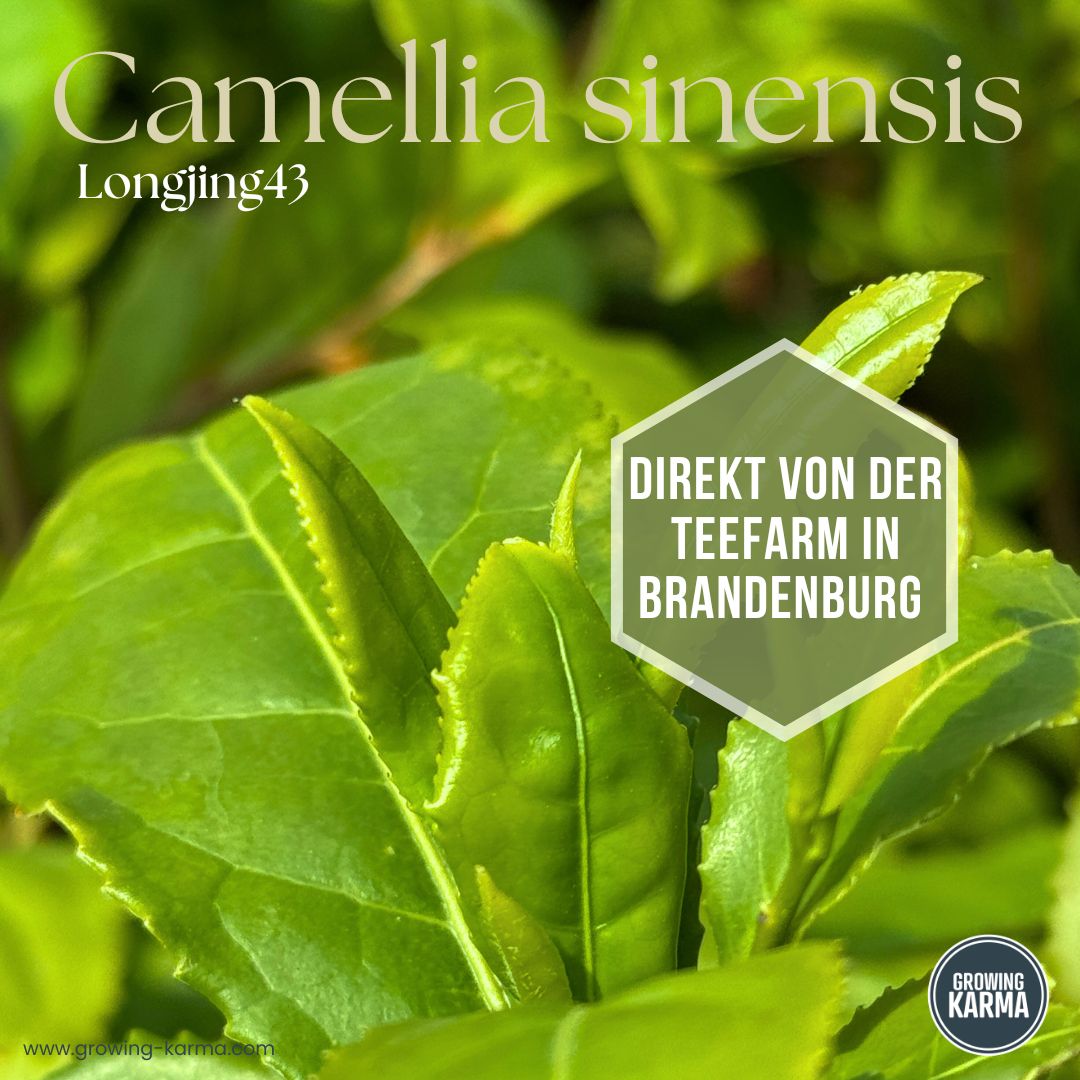
Bring the magic of tea cultivation right into your home, balcony, or garden with the Longjing 43 tea plant from Growing Karma. This special variety, known for its exquisite flavor and versatility, was grown from seeds native to the cool regions of China. Thanks to its hardiness, it also thrives in Central European climates.
Tax included. Shipping calculated at checkout
Your own tea plant
Characteristics
The seeds for our LongJing 43 come from an organic tea farm in the mountainous regions of China, in the cool Zhejiang region. Our plants are hardy after 3-4 years: down to -10 degrees Celsius. LongJing43 is easy to care for. However, it does require a little water, for example, even in winter.
You can find suitable fertilizers here: Fertilizer
Why our tea plants?
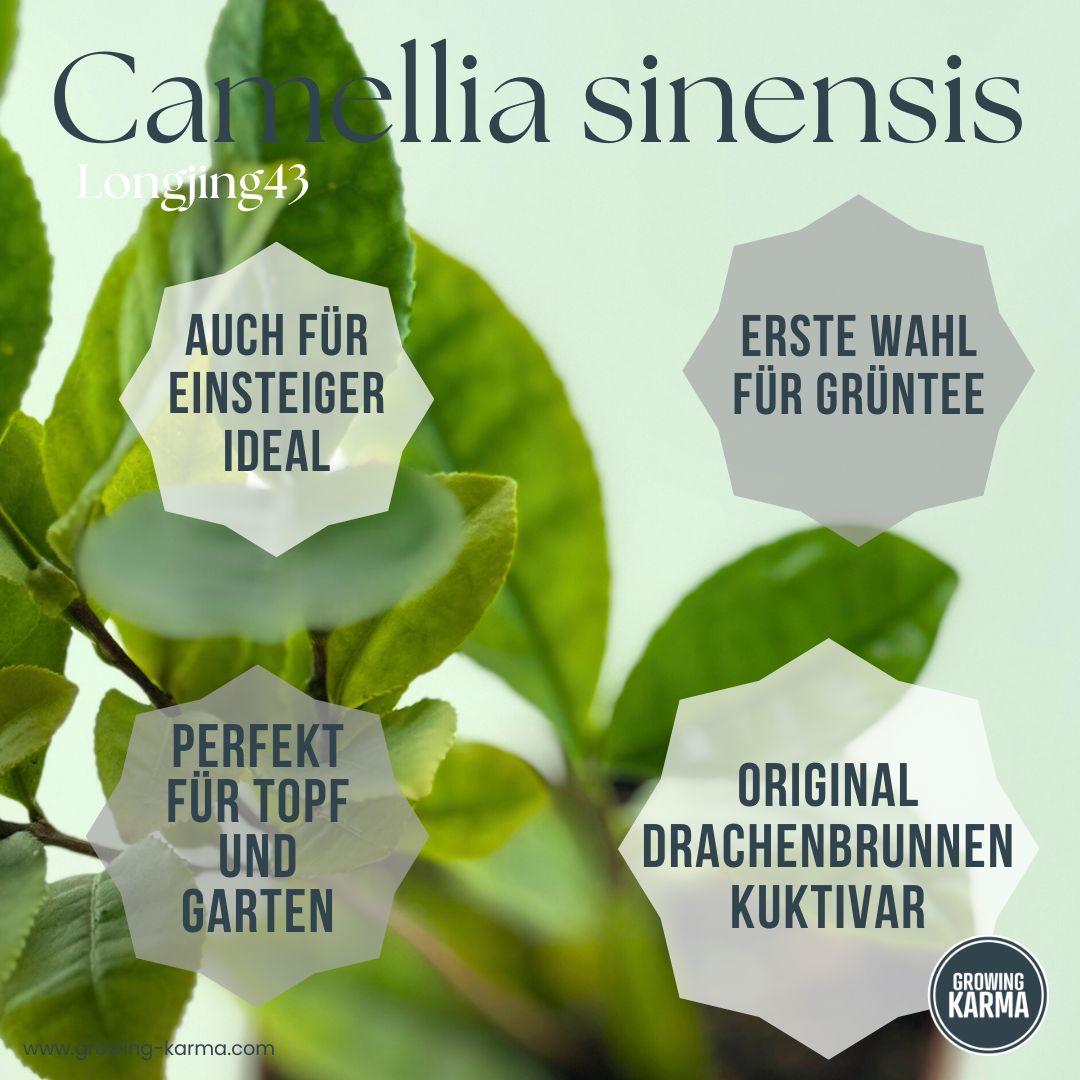
This tea plant combines elegance with functionality: a real eye-catcher for your garden or home, allowing you to harvest fresh, aromatic tea directly. Its easy care makes it ideal for beginners and passionate tea drinkers who appreciate something special.
Background and interesting facts
Learn more about Longjing 43
Origin and history
Longjing 43 comes from Zhejiang Province in China, where the famous Longjing tea (Dragon Well Tea) originates. This region is known for its mild climate and nutrient-rich soils—ideal conditions for tea cultivation.
In the 1950s, Longjing 43 was discovered through tea research by the Tea Research Institute of the Chinese Academy of Agricultural Sciences (CAAS) Specifically developed to create a variety that is not only high-quality, but also robust and productive. This cultivar quickly gained a reputation and is now cultivated worldwide – both for commercial tea production and in private gardens.
Properties of Longjing
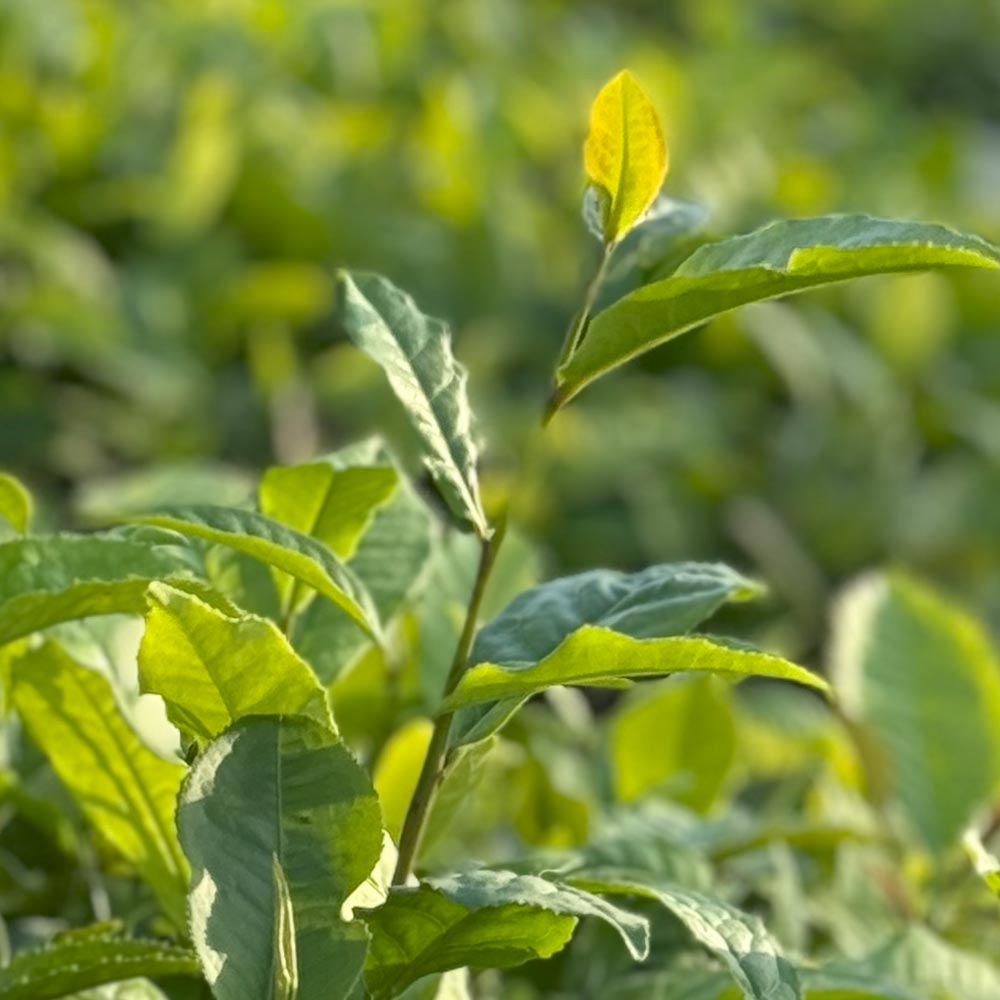
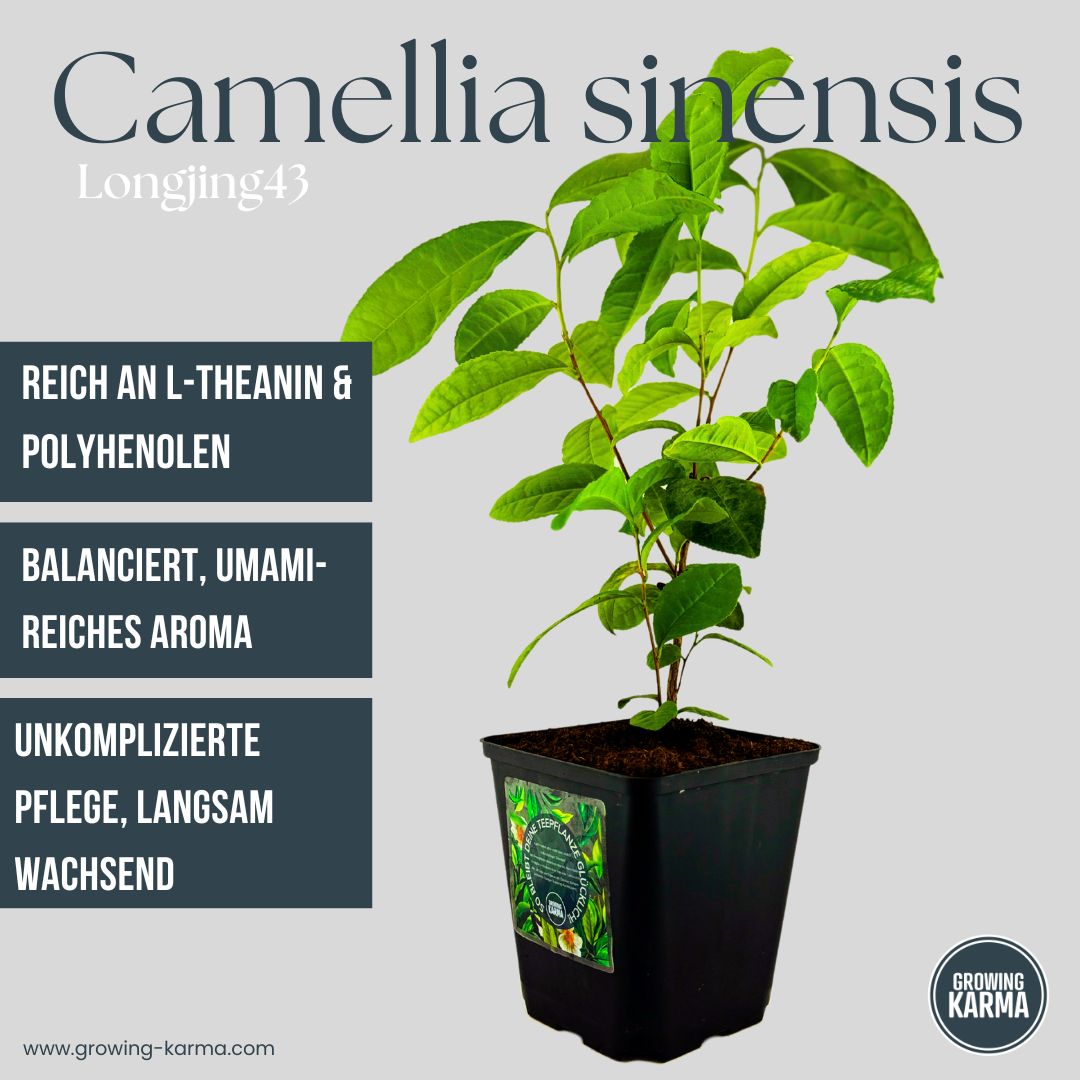
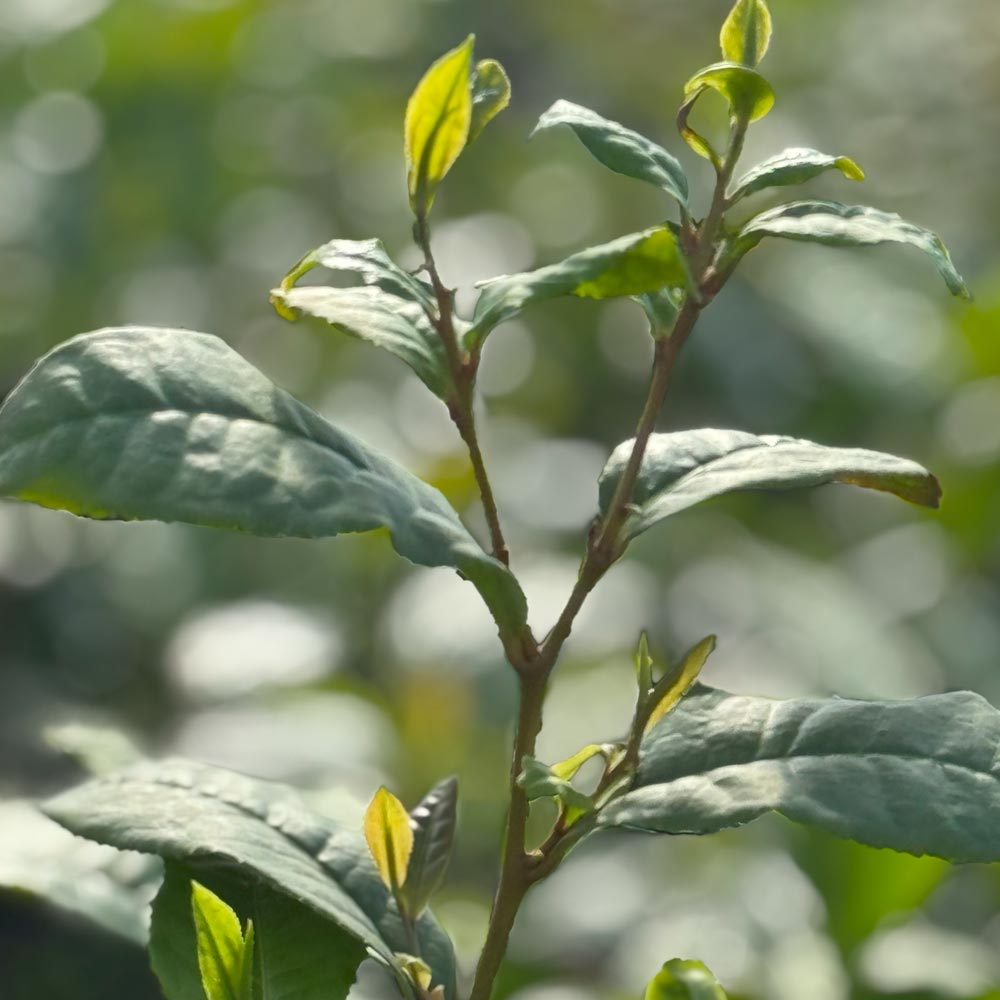
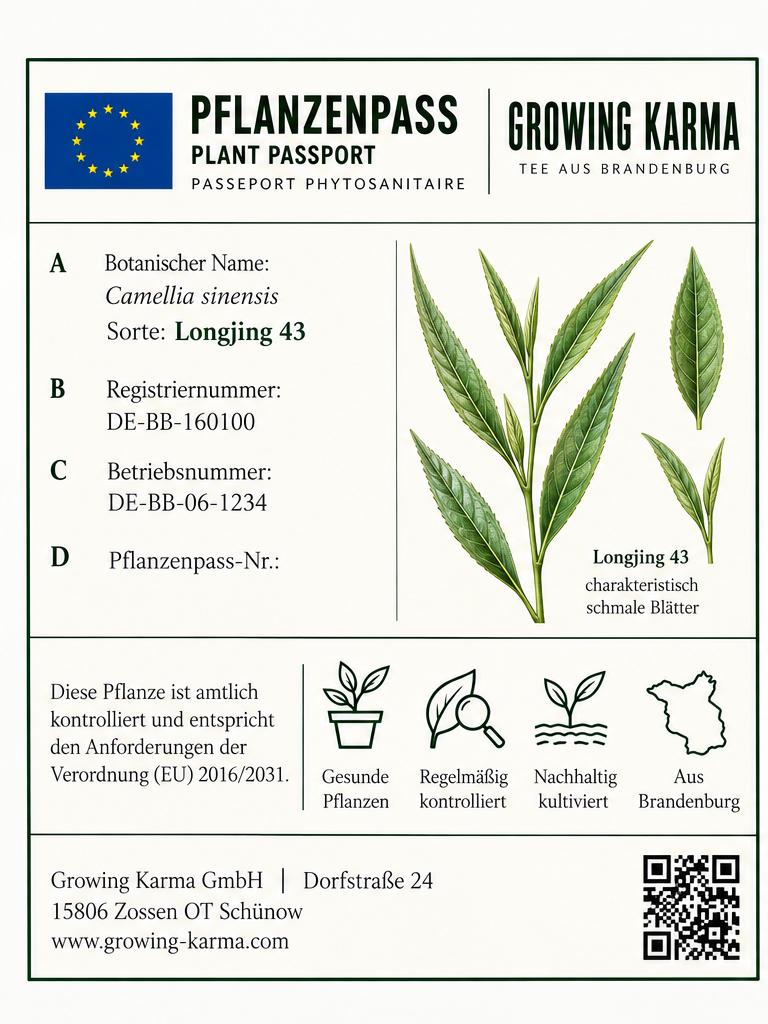
Longjing 43 is a resilient and adaptable cultivar. It thrives on tea farms like Growing Karma as well as in home gardens or living rooms. The plant prefers slightly acidic soils (pH 5.5–6.5) and sunny to partially shaded locations with good drainage. Its narrow, elongated leaves have a rich green color and contain high amounts of amino acids (e.g., L-theanine) and polyphenols (e.g., catechins), which are responsible for the tea's characteristic flavor and health benefits.
Matcha from Longjing 43
The Longjing 43 cultivar is characterized by an exceptionally high concentration of gallic catechins such as EGCG and an ideal balance of L-theanine and caffeine, creating a velvety mouthfeel and a long-lasting, umami-rich aroma. Its low bitterness ensures a harmonious flavor with nutty and grassy nuances. These properties make it particularly suitable for matcha production, as the fine leaves are both visually appealing.
Cultivation for Matcha
To make matcha, the tea plant is shaded for about 20 to 30 days before harvest. This process, known as kabuse cultivation , reduces photosynthesis, causing the plant to produce more chlorophyll and L-theanine . Chlorophyll is responsible for the vibrant green color, while L-theanine contributes to the sweet, mild flavor and creamy texture. After harvesting, the tender leaves are gently steamed to stop oxidation, then dried and processed into tencha . The fine powder is created by grinding on granite stone mills. Matcha from Longjing 43 impresses with its harmonious balance of amino acids and polyphenols, which refine the flavor.
use
Matcha from Longjing 43 is extremely versatile: In addition to classic tea preparation, you can use it for matcha lattes, smoothies, or baking. Its harmonious balance of sweetness and umami also makes it a special ingredient. But this cultivar also finds its purpose as a pure leaf in spicy sauces , chutneys , or even in the production of kombucha or yun . For adventurous connoisseurs, matcha from Longjing 43 can also be incorporated into traditional dishes or used as a sophisticated flavor in desserts like mousse and ice cream. Its exceptional quality and delicate flavor lend every recipe a unique, refined touch.
Longjing 43 for green tea?
Longjing 43 is known for its ability to produce excellent green tea. After harvesting, the leaves are steamed or pan-fried to stop oxidation. The resulting tea is characterized by its vibrant green color, a mild nutty flavor, and a mild aroma. The health benefits of Longjing 43 green tea are numerous: It is rich in antioxidants that strengthen the immune system and fight free radicals. It also contains L-theanine, which promotes concentration and has a relaxing effect without causing drowsiness.