
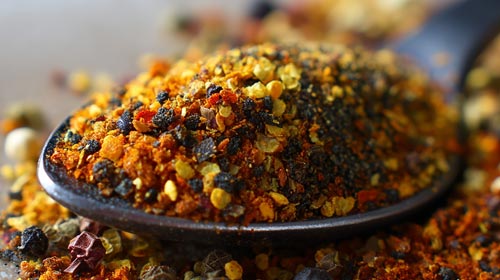
When it comes to heat in Japanese cuisine, one name almost always comes to mind: Togarashi. But what exactly is it? A chili pepper? A spice blend? Or both? The answer is as varied as the flavor of this time-honored ingredient—and that is precisely what makes togarashi so fascinating.
What does "Togarashi" mean?
The term "Togarashi" (唐辛子) literally means "Chinese pepper" and is the Japanese name for chili peppers in general. Chilis—like so many plants—did not originally come from Japan, but from Central and South America. They arrived in Asia via trade routes in the 16th century, first reaching China, then Korea, and finally Japan. There, they were initially valued as medicine and ornamental plants before finding a permanent place in the kitchen.
So when people in Japan talk about "Togarashi," they may be referring to chili peppers in general—for example, "Ichimi Togarashi," which is pure ground chili. However, the spice blend "Shichimi Togarashi"—the "seven-spice togarashi"—is far better known.
What is Shichimi Togarashi?
-
Ground chili (Togarashi)—the base, providing heat and color
-
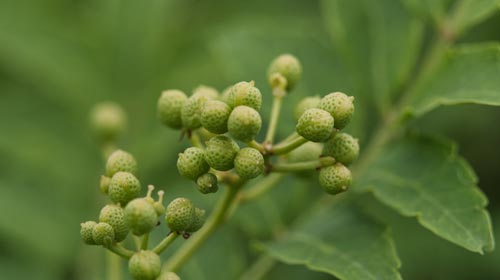
Sansho (Japanese Sichuan pepper)—citrusy and slightly numbing
-
Black or white sesame seeds—nutty and soft
-
Toasted orange peel or yuzu zest—for fruity freshness
-
Ginger powder—warming and spicy
-
Nori or aonori seaweed—a hint of umami
-
Hanaguruma (hemp or poppy seeds)—a nutty contrast
The exact composition can vary, giving togarashi an enormous range of possibilities. In Kyoto, for example, the blend is often milder and more citrus-forward, while in Edo (modern-day Tokyo), it is traditionally spicier and more robust.
Where Does Togarashi Come From?
The history of togarashi begins in the 17th century, during the Edo period. According to legend, Shichimi Togarashi was first sold on the streets of Edo (old Tokyo), not far from the famous Sensō-ji Temple in Asakusa. Merchants there offered their own individually blended spices to enhance the flavor of simple street food.
One of these spice shops, Yagenbori, still exists today—it has been in business since 1625. It is considered one of the oldest producers of Shichimi Togarashi. Other famous traditional businesses, such as Shichimiya Honpo in Kyoto, near Kiyomizu-dera Temple, also preserve centuries-old knowledge of the art of blending.
Why Is Togarashi So Popular?
Togarashi is more than just spicy. It balances flavors: heat, freshness, depth, fruitiness, and nuttiness. That is precisely what makes it so versatile. In Japan, it is sprinkled on:
-
Soups such as ramen or miso
-
Rice dishes and donburi
-
Grilled meat or fish skewers (yakitori)
-
Tempura or udon
-
Or simply: an onigiri with a little togarashi—and you have a full-flavored snack
Outside Japan, too, the blend is finding an increasing number of fans: on roasted vegetables, in marinades, over avocado toast, or even on popcorn.
Togarashi Today—Between Tradition and Modernity
Today, togarashi blends are available in many varieties: classic, organic, and with unusual ingredients such as dried shiso, fermented garlic, or yuzu-kosho. Some artisanal producers lightly toast the ingredients, while others grind them more coarsely for added texture.
It is also fascinating to look beyond national borders: in Europe—and here in Germany—small producers are beginning to reinterpret togarashi based on the Japanese model. Using regional chilis, wild herbs, or unique roasting methods, they are creating a bridge between cultures—spicy, yet subtle.
Togarashi is a spice with history, character, and variety. It combines Japanese flavor philosophy with a touch of fire—and brings together the perfect balance of spice, freshness, and depth. Whether as a classic from Asakusa or a creative reinterpretation from Brandenburg, anyone who has tried authentic Shichimi Togarashi understands why this blend has held its place in the kitchen for centuries—and continues to delight time and again.


Leave a comment
This site is protected by hCaptcha and the hCaptcha Privacy Policy and Terms of Service apply.