

Matcha has made it: from a centuries-old ritual drink in Japan to a global lifestyle phenomenon. But with success comes growing criticism. On social media, more and more voices see matcha not just as a tea, but as a trendy accessory. Images of perfectly staged matcha lattes in minimalist cafes or stylish reels showcase an aesthetic that some find superficial and "performative." But how much of it is genuine enthusiasm—and where does the feigned identity begin?
Matcha and Staging on Social Media
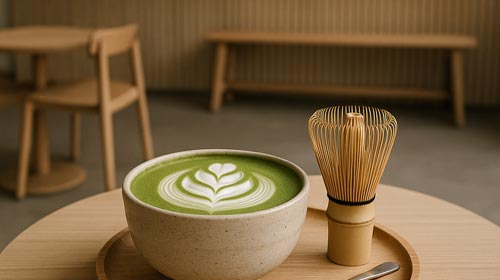
On platforms like Instagram and TikTok, matcha has become a symbol of mindfulness, minimalism, and lifestyle. The green foam in a glass, next to golden spoons or designer cups, conveys an image of tranquility and exclusivity. But critics ask: Is it still about the tea—or just the perfect picture?
Performative Mindfulness: Lifestyle Instead of Ritual
Observers call this development "performative" when matcha is used only as a sign of a certain identity. Instead of being consciously prepared and enjoyed, it serves as a prop for an image: clean, modern, mindful. The ritual of whisking matcha with a bamboo whisk, deeply rooted in Japanese culture, is often reduced to a quick photo opportunity.
Between Culture and Commercialism
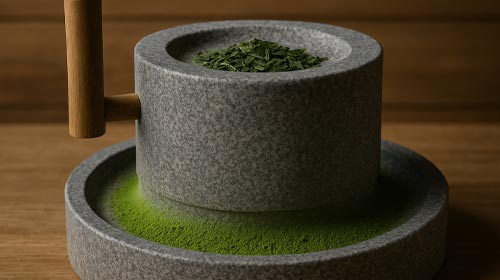
The criticism is also aimed at the blending of traditional tea culture and global consumer trends. While matcha has been part of a meditative ceremony in Japan for centuries, it is frequently presented in the West in colorful drinks, desserts, and influencer feeds. For many, this is an exciting bridge—for others, however, it is a loss of authenticity.
Authenticity as a Countertrend
Interestingly, a countertrend is also growing: people are once again seeking genuine connections to tea culture. Instead of just consuming the finished image, many are interested in the origin, cultivation, and preparation. Growing Karma stands for an authentic approach—with its own cultivation of Camellia sinensis in Europe and a deep respect for the tradition behind matcha.
Matcha Between Image and Authenticity
The discussion about matcha as a trendy accessory shows how strongly social media shapes our perspective. Between performative self-presentation and genuine enthusiasm lies a fine line. However, those who consciously engage with its origin, preparation, and culture discover that matcha is more than a symbol—it is an invitation to mindfulness and authenticity.

Leave a comment
This site is protected by hCaptcha and the hCaptcha Privacy Policy and Terms of Service apply.