

Cafés have long been more than places where coffee is served. The experience is increasingly taking center stage – and matcha plays a key role here. Deeply rooted in Japanese tea culture, the green powder inspires cafés worldwide to focus on minimalism, mindfulness, and clean design lines. Enjoying matcha thus becomes a ritual that goes far beyond drinking.
Matcha as a symbol of mindfulness
Matcha stands for tranquility, concentration, and mindful moments. In the Japanese tea ceremony, it is celebrated as part of a centuries-old ritual. Modern cafés embrace these values and create spaces that allow for a slower pace. Instead of haste and sensory overload, they focus on clean shapes, natural materials, and minimalist furnishings.
Café design in the spirit of minimalism
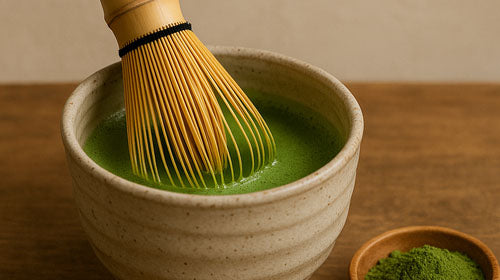
More and more cafés worldwide are designing their interiors according to the principles of Japanese wabi-sabi – simple furniture, plenty of wood, light-colored walls, and understated decoration. The architecture does not distract the eye, but rather creates space for the moment. In this setting, matcha is not simply served, but staged: as a finely frothed drink in handcrafted bowls, sometimes accompanied by small rituals such as sifting the powder or whisking it with a bamboo whisk.
Matcha rituals in modern everyday life
Cafés that offer matcha often go beyond the classic latte. There are matcha workshops where guests learn how to prepare the tea properly. Some cafés offer “Slow Hours” – times when phones are put aside and the focus is solely on tea, conversation, and atmosphere. This conscious ritualization of the everyday strikes a chord with a generation seeking a slower pace and mindfulness.
Examples of matcha in café concepts
-
Matcha bars in major cities: In cities such as Berlin, Paris, or New York, specialized matcha bars are emerging that focus entirely on the green powder.
-
Minimalist tea cafés: Small cafés combine Scandinavian or Japanese interiors with a carefully curated tea menu.
-
Hybrid concepts: Some venues combine matcha with yoga, meditation, or art – spaces that combine enjoyment with culture and mindfulness.
Sustainability and regionality
Modern café design also includes the concept of sustainability. Many operators focus on organic matcha quality, fair supply chains, and regional additions such as oat or soy milk. Growing Karma cultivates Camellia sinensis in Brandenburg according to permaculture principles and combines cultivation and processing at a single location.
Matcha is changing café culture
Matcha is not just a trendy drink – it is a symbol of a new lifestyle. Cafés that focus on minimalism, ritual, and mindful enjoyment create places where people can unwind. Combined with thoughtful interior design, a visit becomes an experience that appeals to the body, mind, and senses alike.

Leave a comment
This site is protected by hCaptcha and the hCaptcha Privacy Policy and Terms of Service apply.