
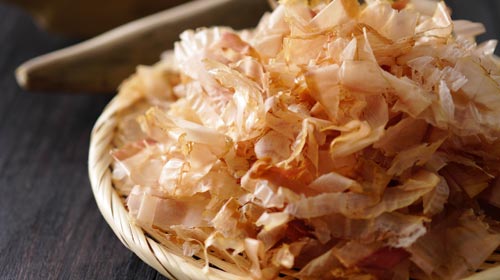
Katsuobushi is perhaps the most aromatic food in Japanese cuisine – a dried, fermented, and hardened fish flank that tastes so intensely of umami that it can carry the flavor of an entire broth. No dashi without katsuobushi, no tsuyu without dashi. Anyone interested in Japanese cooking will sooner or later come across this fascinating ingredient.
What is katsuobushi?
Katsuobushi (鰹節) is dried, fermented bonito, a relative of tuna (Katsuwonus pelamis). In its classic form, katsuobushi looks like a hard, dark block of wood – and feels similar. For use, it is shaved into paper-thin, pink flakes using a special planer (kezuriki), which dance through the air as light as paper.
These flakes are called kezuribushi – and they are ready to eat: as a topping on rice, takoyaki, okonomiyaki, or cold tofu. Above all, however, they are used to make dashi, the classic Japanese base broth.
Production – Where Tradition Meets Patience
The production of katsuobushi is an elaborate process that takes weeks or even months:
-
Filleting: The bonito is cut into large fillets.
-
Cooking: The fillets are cooked in hot water for hours.
-
Smoking: Several rounds over a slow wood fire – over the course of weeks.
-
Drying: The fish continues to mature in the air.
-
(Optional) Fermentation: The surface is inoculated with a noble mold (Aspergillus glaucus). This penetrates the fish meat, breaks down residual moisture, and develops the characteristic umami aroma.
The finished katsuobushi contains so little water that it has an almost unlimited shelf life. Even today, there are manufacturers in Japan that carry out the process for half a year or longer – especially for the so-called karebushi, the aged, fermented premium variety.
What is katsuobushi used for?
-
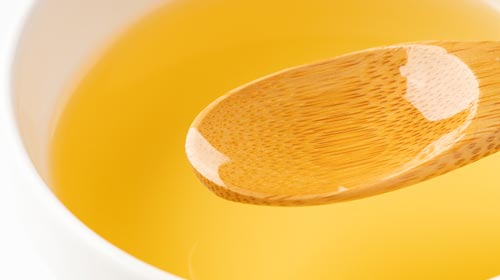
Dashi broth: Together with kombu, it creates a clear, golden broth with a deep flavor.
-
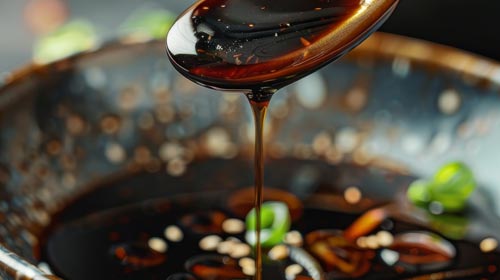
Tsuyu: The classic dipping sauce for sōmen, udon, or tempura is based on dashi made with katsuobushi.
-
Topping: On takoyaki, okonomiyaki, rice balls, or hiyayakko (cold tofu)
-
Seasoning: In furikake rice mixtures, Japanese sauces, and broths
The combination of katsuobushi + kombu is a prime example of the so-called umami synergy: glutamic acid from the kombu meets inosinic acid from the fish – the result is a flavor that goes far beyond “savory.”
Where does katsuobushi come from?
The most important production sites are in Makurazaki (Kagoshima Prefecture) and Yaizu (Shizuoka). Both locations are considered strongholds of traditional fish processing. Some of the manufacturers there have been in business for over 100 years and work according to strictly handed-down methods – without artificial additives or industrial fast-track processes.
Katsuobushi in modern cuisine
In Japan, katsuobushi is a staple of every kitchen – much like salt or oil are to us. But its potential is being discovered outside Japan as well. Chefs around the world are experimenting with its smoky, slightly metallic, deep flavor: in sauces, broths, marinades, or even in combination with cheese and butter.
Particularly popular is the “Dancing Bonito” effect: The flakes move in the heat on the dish – a magical moment in any bento box.
Is katsuobushi vegetarian?
No – it is fish. Vegetarians can opt for kombu dashi, shiitake dashi, or a combination of both instead. Nevertheless, for many, katsuobushi remains the most intense source of umami in Japanese cuisine.
Katsuobushi is not an everyday seasoning – it is a culinary essence. Smoke, sea, umami, and patience come together in an ingredient that is unique in its depth and complexity. Anyone who has made dashi themselves with freshly shaved katsuobushi understands: This is not just broth – this is flavor in its purest form. Japan itself.

Leave a comment
This site is protected by hCaptcha and the hCaptcha Privacy Policy and Terms of Service apply.